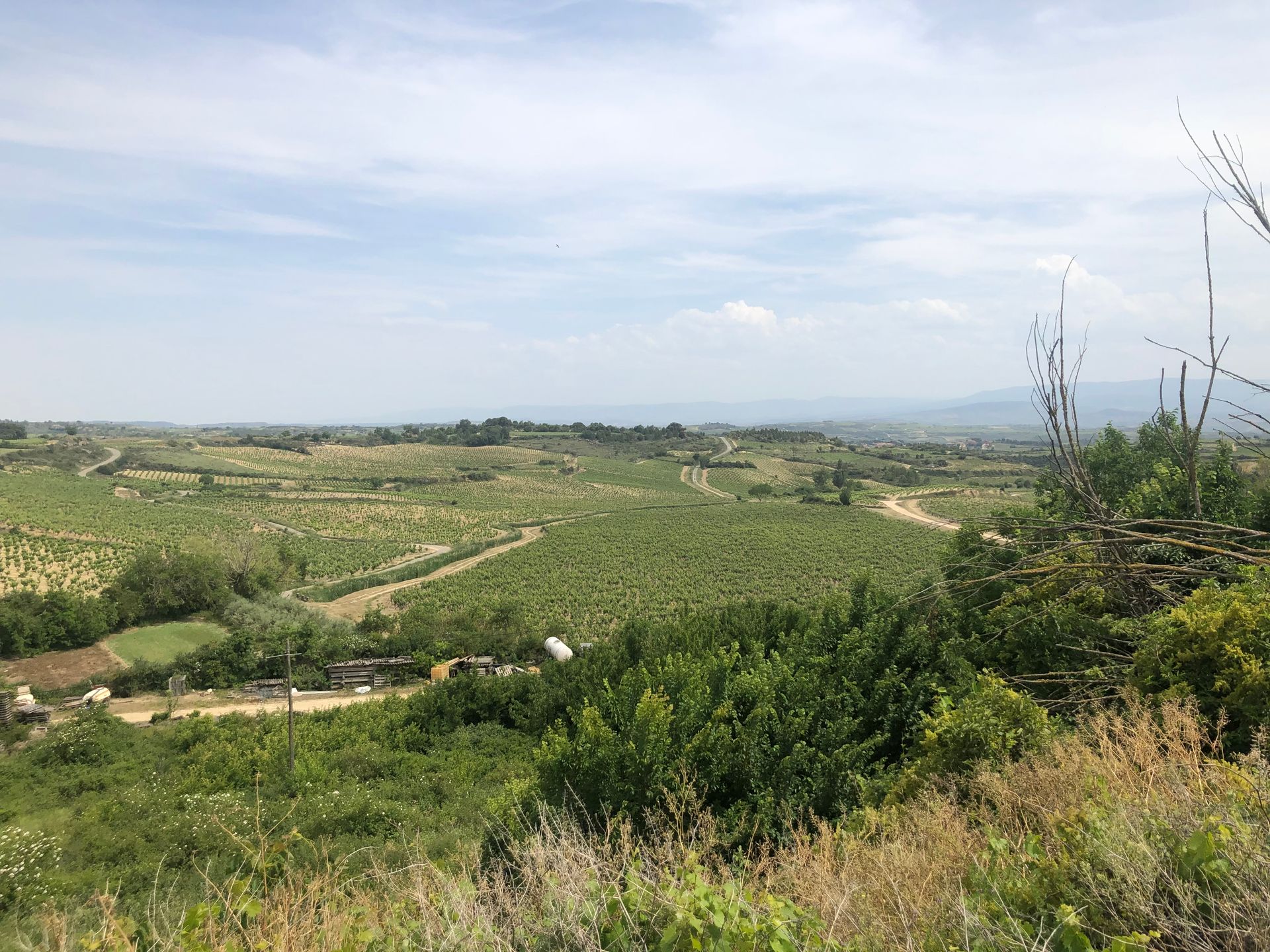
Skeptic or believer, the changes are undeniable
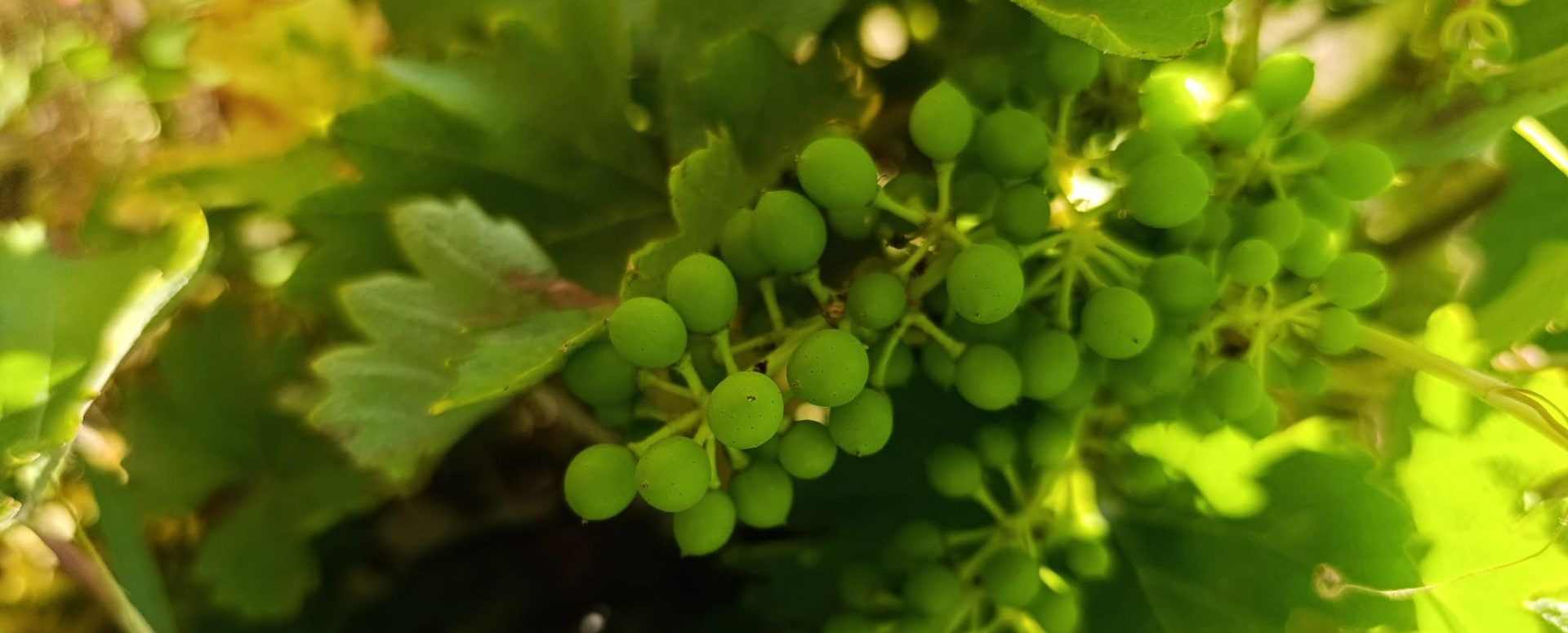
You might be a hardened sceptic of climate change, or perhaps you’re already sold on it. Either way, it’s hard to deny that the weather has changed. And with it, harvest dates are coming forward.
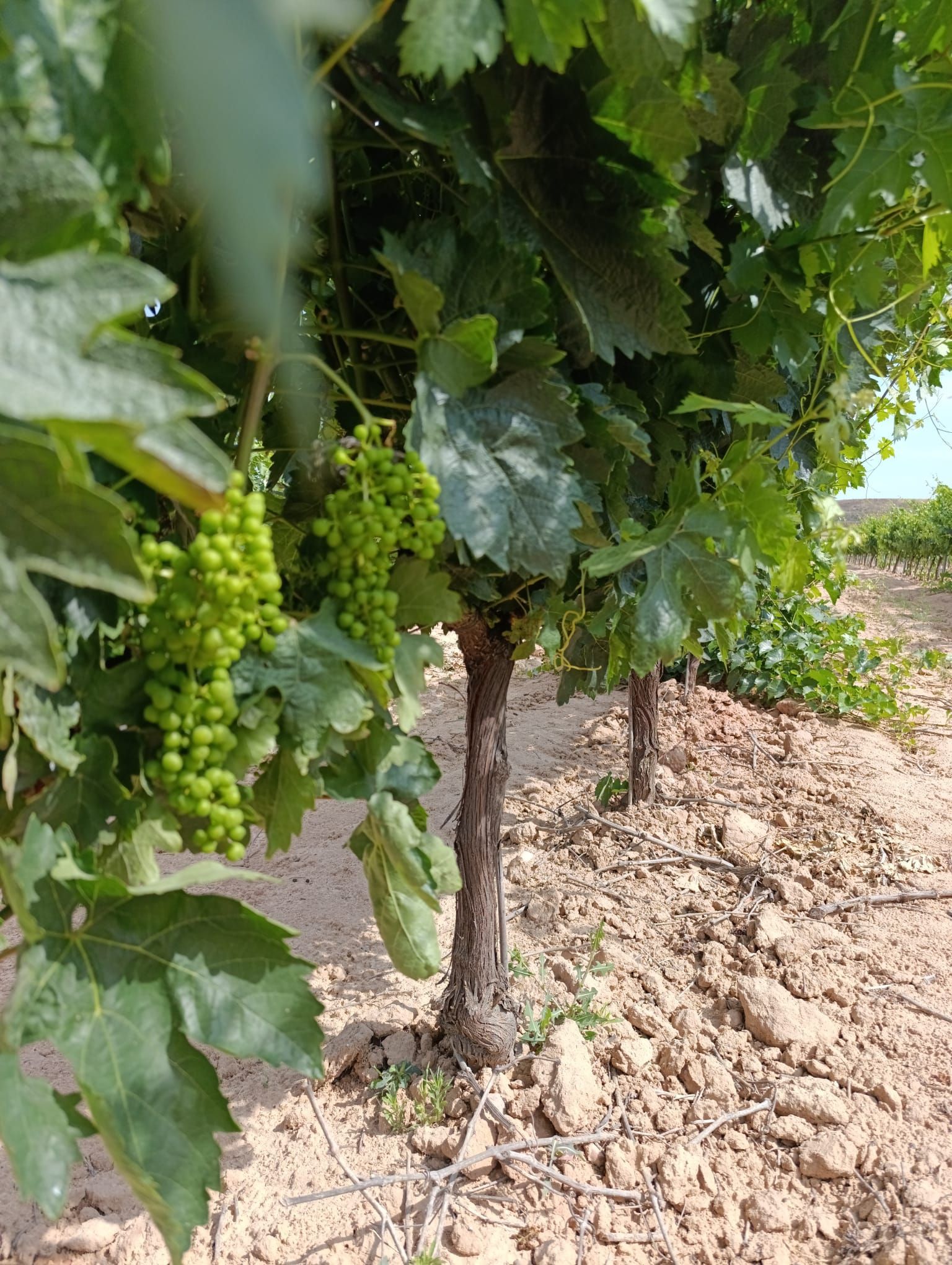
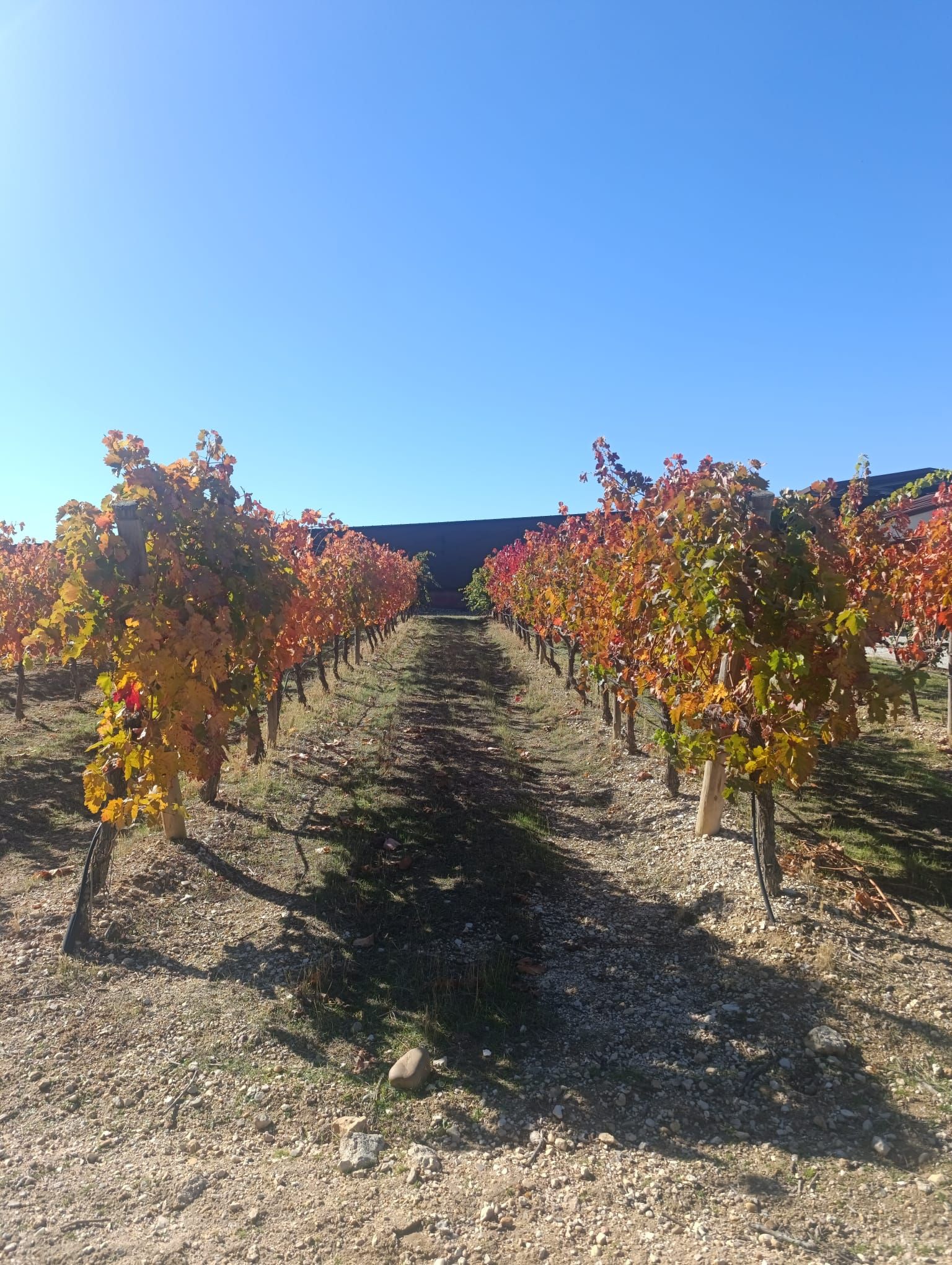
In Rioja, flowering, véraison (that’s the point when grapes change colour and start ripening) and harvest are now happening a good week to ten days earlier than just a decade ago. That’s not a blip; that’s a trend.
Weather whiplash: Ribera del Duero in 2025
But it’s not simply about the long-term drift, it’s the violent swings year on year that keep growers awake at night.
In Ribera del Duero this year, the cycle has been pure chaos: an unusually mild autumn and early winter, a sharp freeze midway through, then a March that threw the rulebook out: cooler days, warmer nights, and far more rain than anyone had forecast. The vines responded with exuberant growth, forcing some bodegas to face the reality of an earlier harvest than last year, despite having braced for drought.
And this kind of volatility is nothing new. Research on Tempranillo in Ribera shows that between 2003 and 2013, key growth stages shifted by as much as three weeks, depending on whether a vintage was hot and dry or cool and wet. The rollercoaster has always been there, only now it feels like it’s running faster.
What’s happening inside the grapes
Why should we care if the grapes are picked in September instead of October? Because the shift changes the chemistryof the fruit.
Warmer summers mean more rapid sugar build-up. That translates into wines with higher alcohol and often less acidity, which throws balance off. The danger is not only hotter, boozier wines, but a creeping sameness where terroir and nuance are bulldozed by ripeness.
Studies also show that a little water stress is actually good, it can concentrate colour and flavour. But extreme drought goes too far: berries shrivel, ripening halts, and photosynthesis collapses. Some regions are experimenting with regulated deficit irrigation, giving just enough drought stress to enhance quality without tipping the vine into survival mode.
The battle plan: How growers adapt
1. Climb higher, altitude as a lifeline
One of the most powerful tools is altitude. Planting vineyards higher up means cooler nights, slower ripening, and a chance to preserve acidity whilst keeping sugar in check.
In southern Spain, new plantings are creeping up hillsides where previous generations wouldn’t have bothered. The old rulebook, where “prime vineyards” were the warmest sites, is being rewritten in favour of higher, cooler plots.
2. Shift the map, latitude on the move
When you first sit down in wine class, someone inevitably tells you that the world’s vineyards fall between 30 and 50 degrees latitude north and south. For decades, that neat band defined “where vines belong”.
Not any more. Warmer conditions mean the edges of that band are fraying. In the north, you now find vineyards creeping past the 50th parallel in places like southern England, Denmark, and even Sweden. The UK in particular has gone from curiosity to credibility: chalky soils in Sussex and Kent, plus warmer summers (14 of the UK’s 15 hottest summers on record have happened since 2000), have made world-class sparkling wine not just possible, but commercially viable.
Producers such as Chapel Down are targeting three million bottles annually, and Taittinger has even planted in Kent. It’s a sign that latitude, once the most rigid of wine’s boundaries, is now pliable.
3. Other adjustments
Elsewhere, growers are experimenting with different grape varieties, tweaking canopy management to shield grapes from heat, and trialling irrigation techniques. For some, there’s also a philosophical shift, an acceptance that wines might simply taste different in the coming decades, and that perhaps consumers will need to adapt along with the vines.
The market paradox: lower alcohol vs hotter vintages
Here’s the catch: younger drinkers are leaning towards lighter, fruitier wines with lower alcohol. Meanwhile, climate change is pushing grapes towards riper, sweeter, boozier profiles.
Winemakers are juggling imperfect solutions:
- Harvest earlier: keeps sugar down but risks green, under-ripe flavours.
- Stop fermentation early: reduces alcohol, but leaves residual sugar. And how many twenty-something wine drinkers are really looking for sweet table wine?
- Blending strategies: mixing early-picked grapes with later, riper lots.
- New varieties: planting grapes that naturally accumulate less sugar.
- Technology: alcohol adjustment through spinning cones or reverse osmosis, effective, but divisive.
It’s a paradox: the market is calling for one thing, the climate is delivering another, and winemakers are stuck trying to square the circle.
Conclusion: where the wine world goes from here
So, where does all this leave us?
- Hot regions such as Rioja, La Mancha, or Jumilla will lean harder on altitude, canopy management, irrigation, and heat-tolerant grape varieties.
- Cool-climate newcomers, the UK, Denmark, even parts of Scandinavia, will grow in importance, showing how latitude no longer cages wine the way it once did.
- Mid-latitude regions face the hardest balancing act: grapes ripen faster, alcohol spikes, acidity drops, yet consumers demand freshness. Adaptation is no longer optional, it’s survival.
The centre of gravity in wine is shifting, up in altitude, north in latitude. What was once a rigid rule, a comforting “30 to 50 degree” certainty, is bending with the times. And the winemakers who lean into this, whether with bold new plantings, clever winemaking, or sheer bloody-minded resilience, will shape the wines that the next generation actually wants to drink.