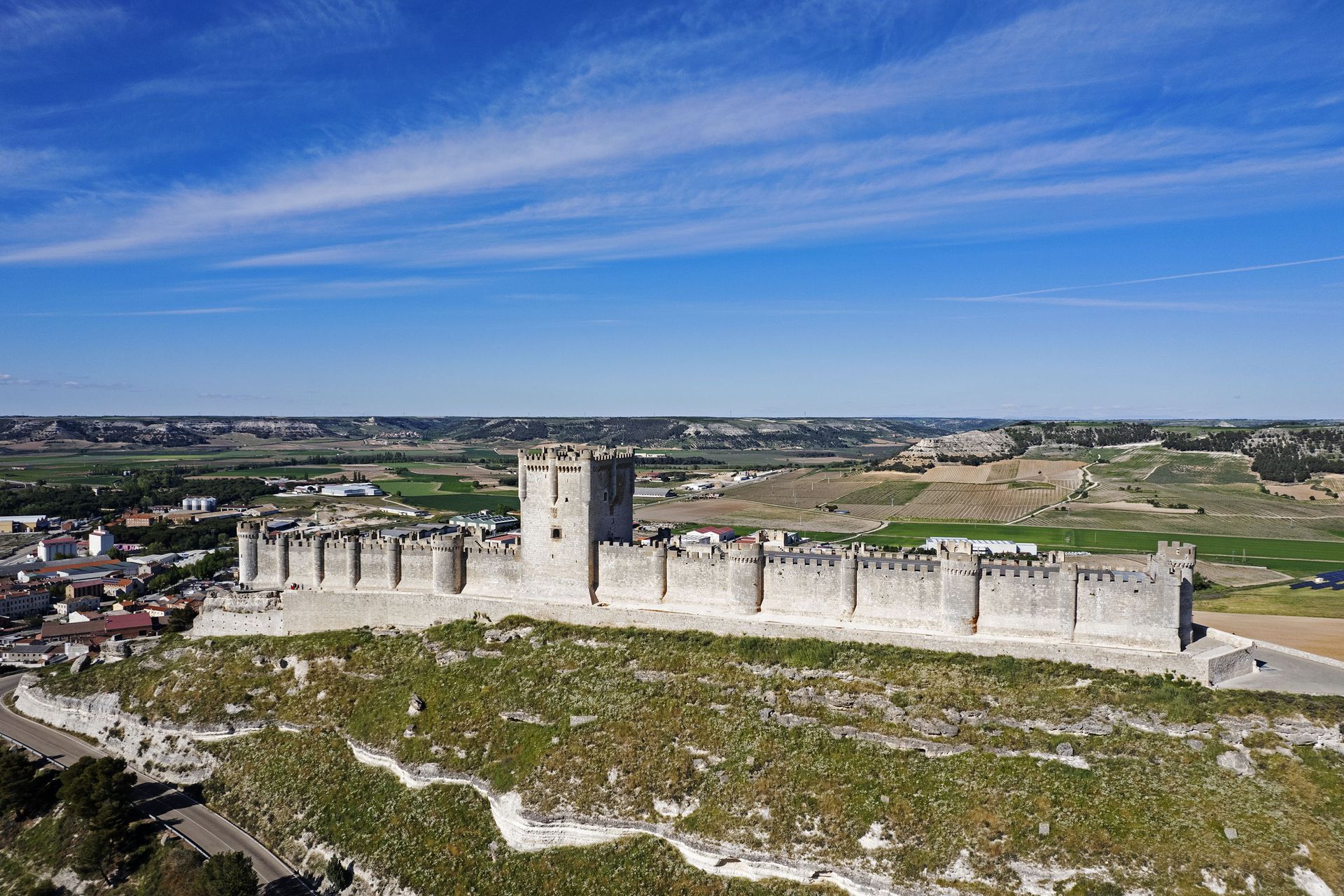
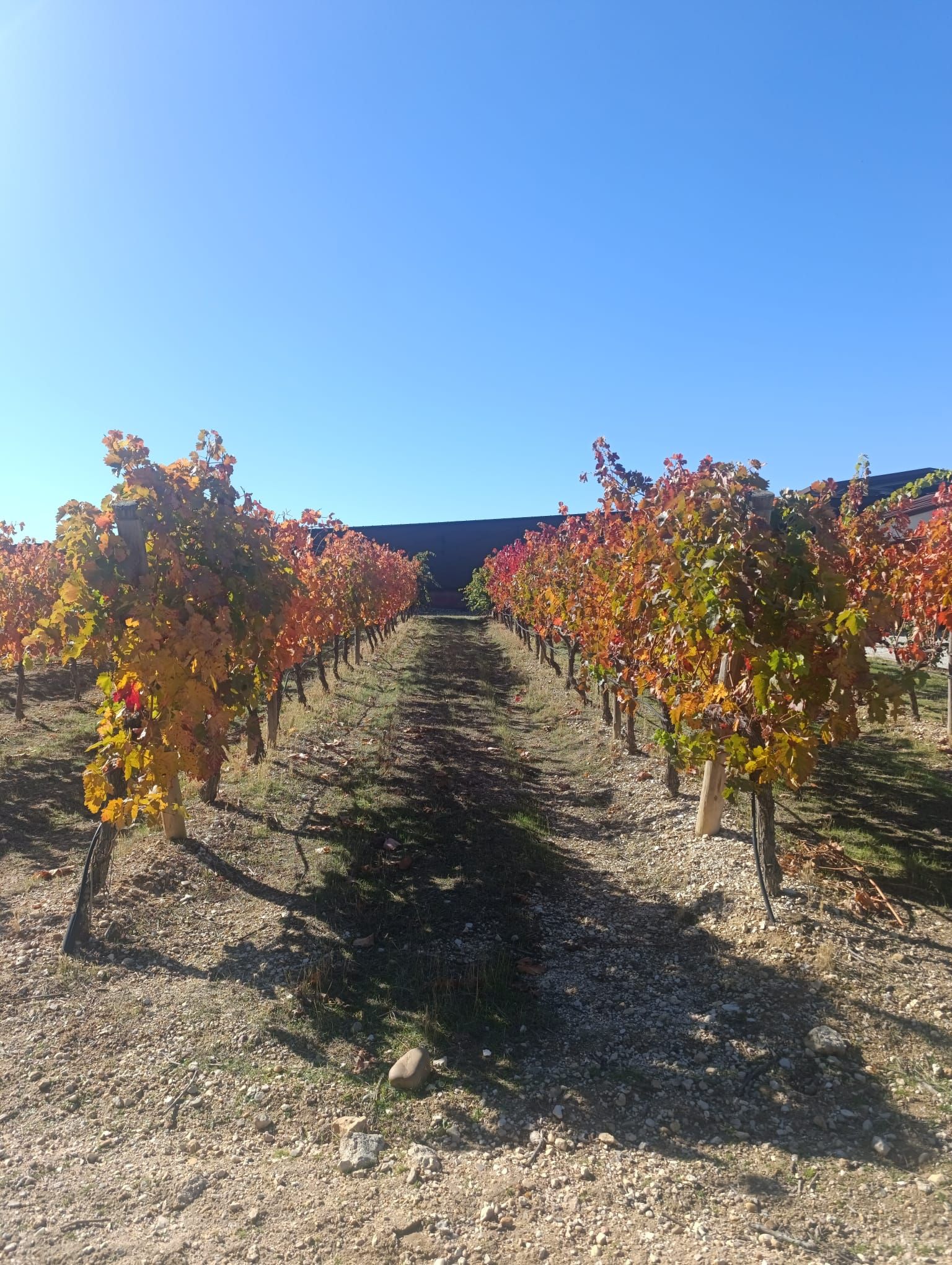
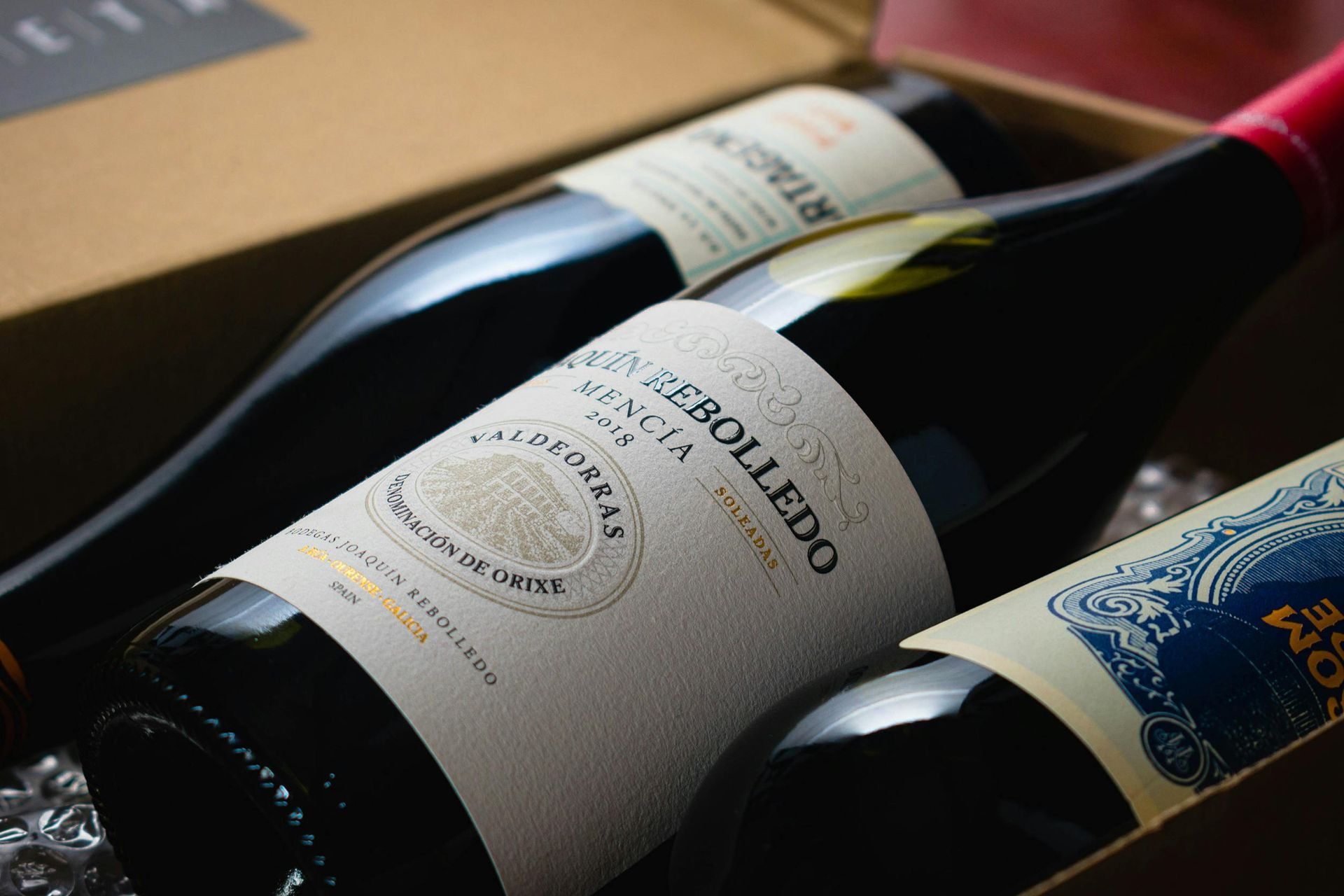
You don’t need three days to understand Rioja.
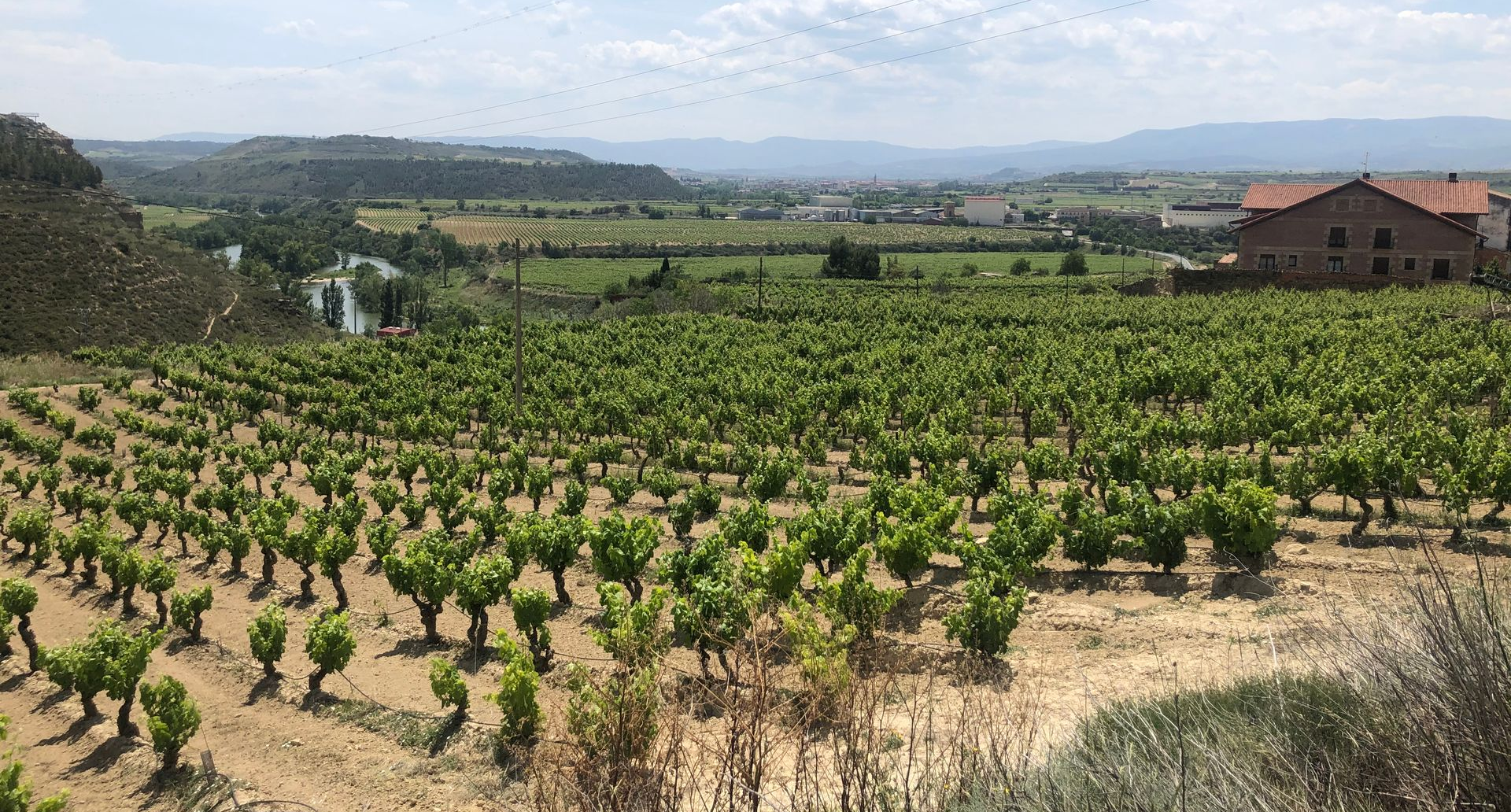
You can get a remarkably complete picture of the Rioja's history, its caves, its great houses and its modern family winemakers in just 24 hours, if you plan your route wisely.
Base yourself in Logroño (for reasons that will become deliciously obvious), and then spend the day moving between Rioja Alavesa and Rioja Alta with purpose.
Here’s the perfect 24-hour itinerary.
Evening Before: Stay in Logroño & Enjoy Calle Laurel
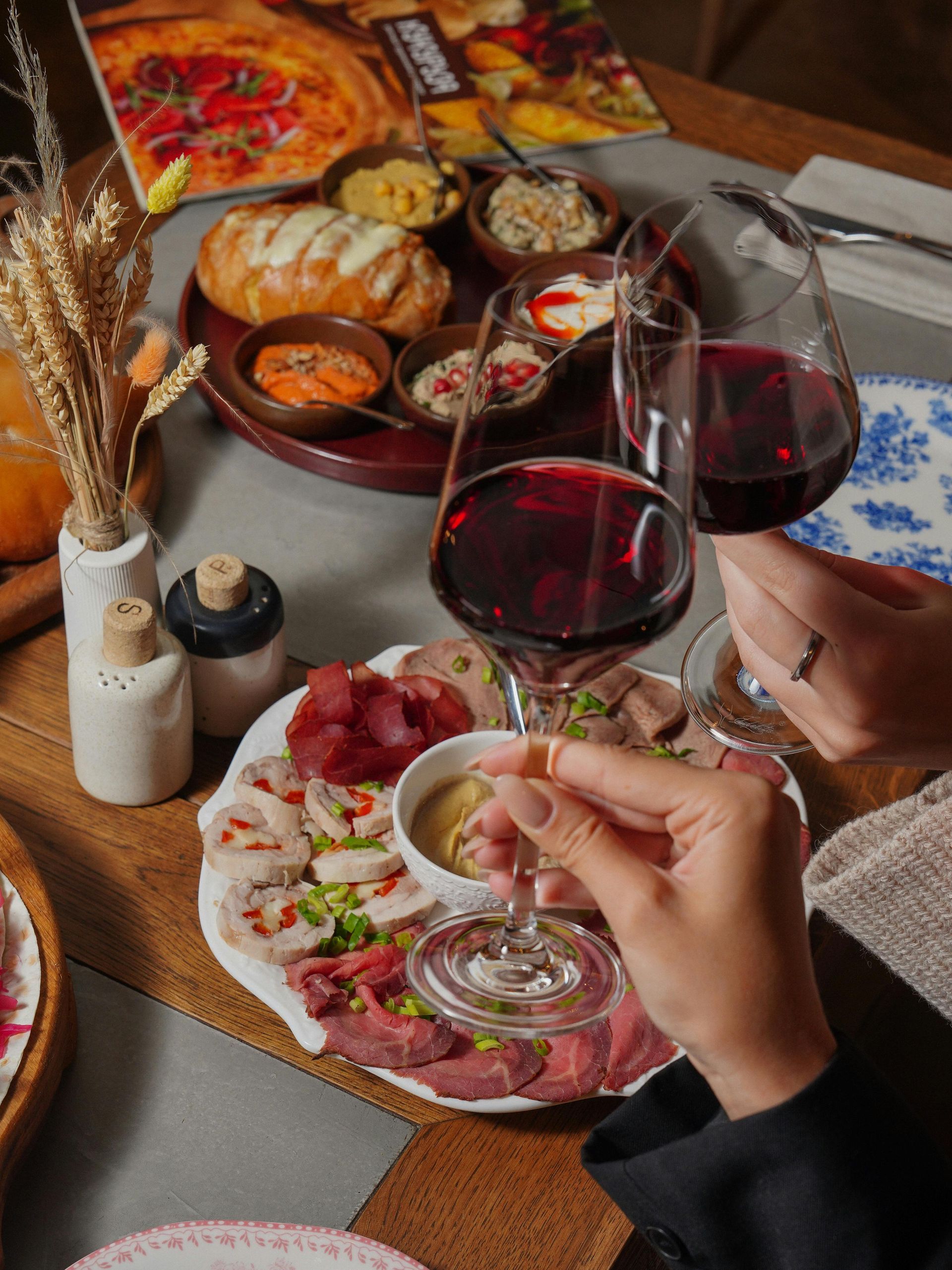
Start your journey the right way: with pintxos.
Logroño is compact, lively, and built for pre-tour grazing. Calle Laurel is the city’s culinary heartbeat; a dense strip of tiny bars, each serving one house speciality. One bar does mushrooms. Another does octopus. Another does crispy panceta with green peppers. Order one pintxo and a short glass of wine, eat standing up, then move to the next doorway. Repeat until joyfully full.
It’s social, loud, informal and wonderfully unpretentious: the perfect introduction to Rioja hospitality.
Get some sleep. Tomorrow is for vineyards.

Morning: Laguardia: The Underground Soul of Rioja
Perched high above Rioja Alavesa, Laguardia looks like a perfectly preserved medieval hilltop town; stone walls, archways, watchtowers and views that stretch all the way across the vineyards to the Sierra Cantabria. But what makes Laguardia truly extraordinary isn’t what you see above ground.
It’s what’s underneath.
Beneath the narrow streets lies a labyrinth of ancient underground caves, some dating back more than 500 years. Originally carved for defence and food storage, they eventually became the perfect natural cellars for winemaking. Today they form a hidden world beneath the village, a honeycomb of vaulted tunnels running under almost every building.
This is where Rioja was made long before stainless steel existed and long before the region became internationally famous.
Why Laguardia Matters
The Caves Were the First Purpose-Built Rioja Cellars
These underground cellars hold a steady temperature year-round - cool, stable, perfectly suited for fermenting and storing wine in an age before electricity. They allowed early Rioja producers to:
- ferment small batches close to home
- protect wine from heat and temperature swings
- store wines safely for months or years
In many ways, Laguardia’s caves are the ancestors of the sprawling modern Rioja cellars built centuries later.
A Window Into Pre-Industrial Rioja
Down here, you get a glimpse into the era when:
- grapes were brought to the village by mule
- fermentation happened in stone troughs carved directly into the rock
- the local style was young, fruity, and made to drink early
- producers sold wine by the jug, straight from the cave
It’s Rioja stripped of modern technology - pure, humble, authentic.
A Living Archaeology
Many caves are still used today by small producers. You might walk past a family home and never guess that beneath it sits:
- a century-old concrete vat
- shelves lined with demi-johns
- a private cellar ageing bottles that never hit the market
- a mini fermentation room with just a few barrels
This blend of past and present makes Laguardia unlike anywhere else in the region.
What Your Visit Gives You
A cave visit in Laguardia delivers something no modern winery can:
- Atmosphere - quiet, candlelit tunnels that feel frozen in time
- Authenticity - wine made in the same spaces used for centuries
- Origins - insight into how Rioja developed before ageing rules, labels or classifications
- Contrast - the perfect counterpoint to the polished, architectural bodegas of Haro
Laguardia shows you the roots of Rioja. Before barrel halls, before American oak, before long ageing. This is where the story began.
Midday: Barrio de la Estación - The Grand Stage of Rioja
It’s arguably the birthplace of modern Rioja as we know it.
This small cluster of bodegas sits around the old railway station, and its location is no accident. In the mid-19th century, when phylloxera devastated Bordeaux, French négociants travelled south in search of quality wine to fill their empty cellars. Rioja had the grapes, the climate and the ambition - but not yet the infrastructure.
So the great houses of Rioja built their wineries right here, next to the tracks.
Why?
The Railway Was the Lifeline
Before the railway arrived in 1863, Rioja wine travelled by mule. Slow, expensive, inconsistent. The train changed everything: Rioja could suddenly ship its wines north quickly, efficiently, and in huge quantities.
Ageing Required Space, And Lots of It
The French taught Rioja producers the value of extended barrel ageing. Suddenly bodegas needed:
- underground cellars
- temperature-stable tunnels
- long corridors of American oak barrels
Barrio de la Estación offered both the land and the proximity to the railway.
A Concentration of Knowledge
For the first time, growers, importers, coopers, traders and winemakers were all in one place. Techniques spread quickly. Styles became more consistent. Rioja’s identity as an ageing-focused region was born here.
From Local Wine to International Wine
This neighbourhood is where Rioja shifted from a regional drink to a global name. It was here that labels, bottling, and long-term ageing became the standard, decades before most other regions modernised.
Why It Matters Today
Because this is the spiritual and historical heart of Rioja.
Walk through the Barrio and you’re walking through 160 years of the region’s evolution:
- brick-and-stone winery façades from the 1800s
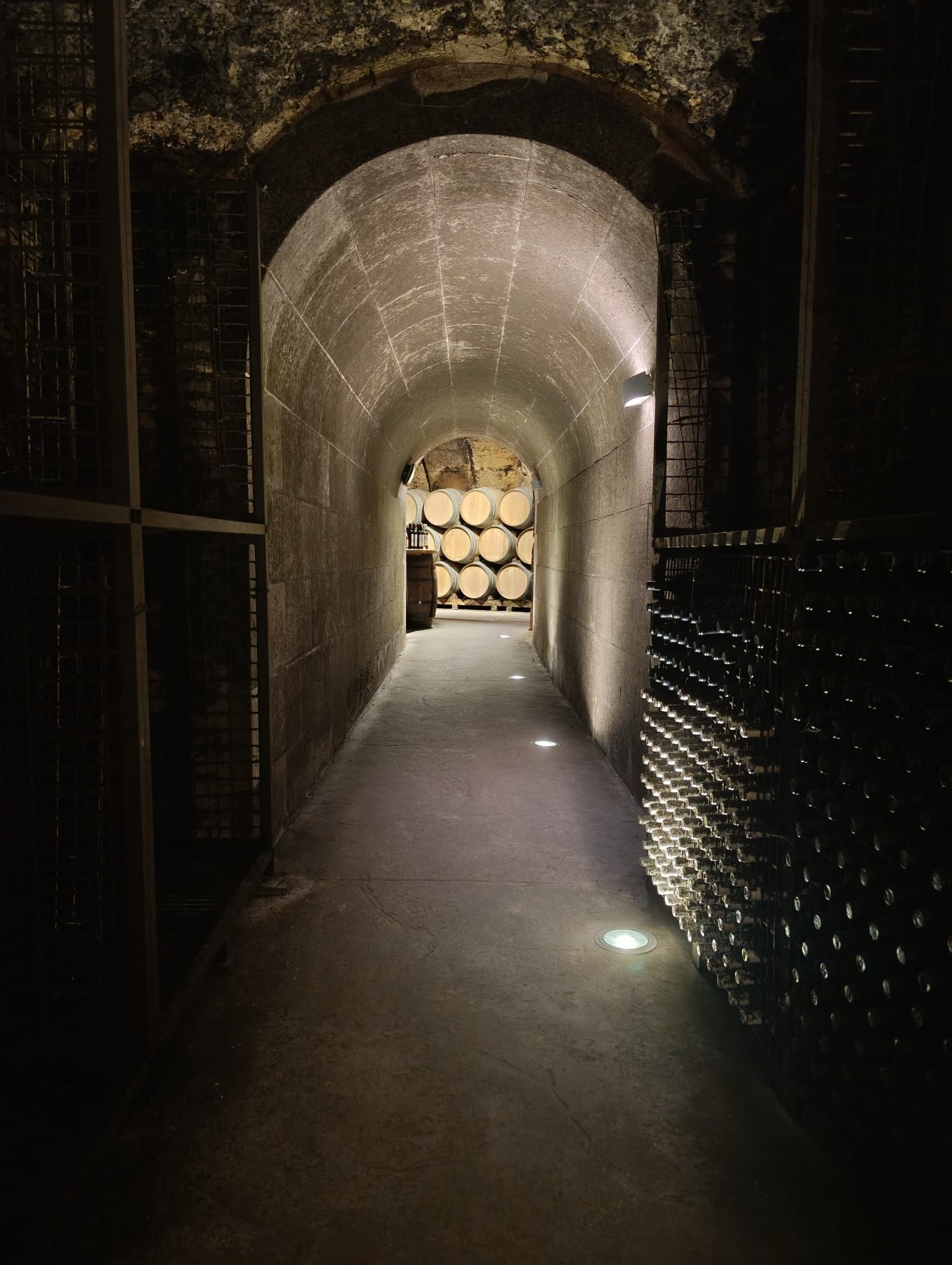
- cellars that run like underground labyrinths
- warehouses built to store tens of thousands of barrels
- railway lines that once carried barrels straight to France
Everything that defines traditional Rioja - long ageing, American oak, classic blends, enormous barrel halls - took shape here.
What Your Visit Gives You
By visiting one of the iconic bodegas in the Barrio, you get:
- a taste of Rioja’s “golden age” winemaking
- the polished, architectural face of the region
- the deep cellars where Reservas and Gran Reservas sleep for years
- a clear sense of why Rioja became internationally respected long before many other regions did
It’s compact, cultural, walkable, and full of history - the perfect midpoint in your day.
Lunch: Terete in Haro - Tradition on a Plate
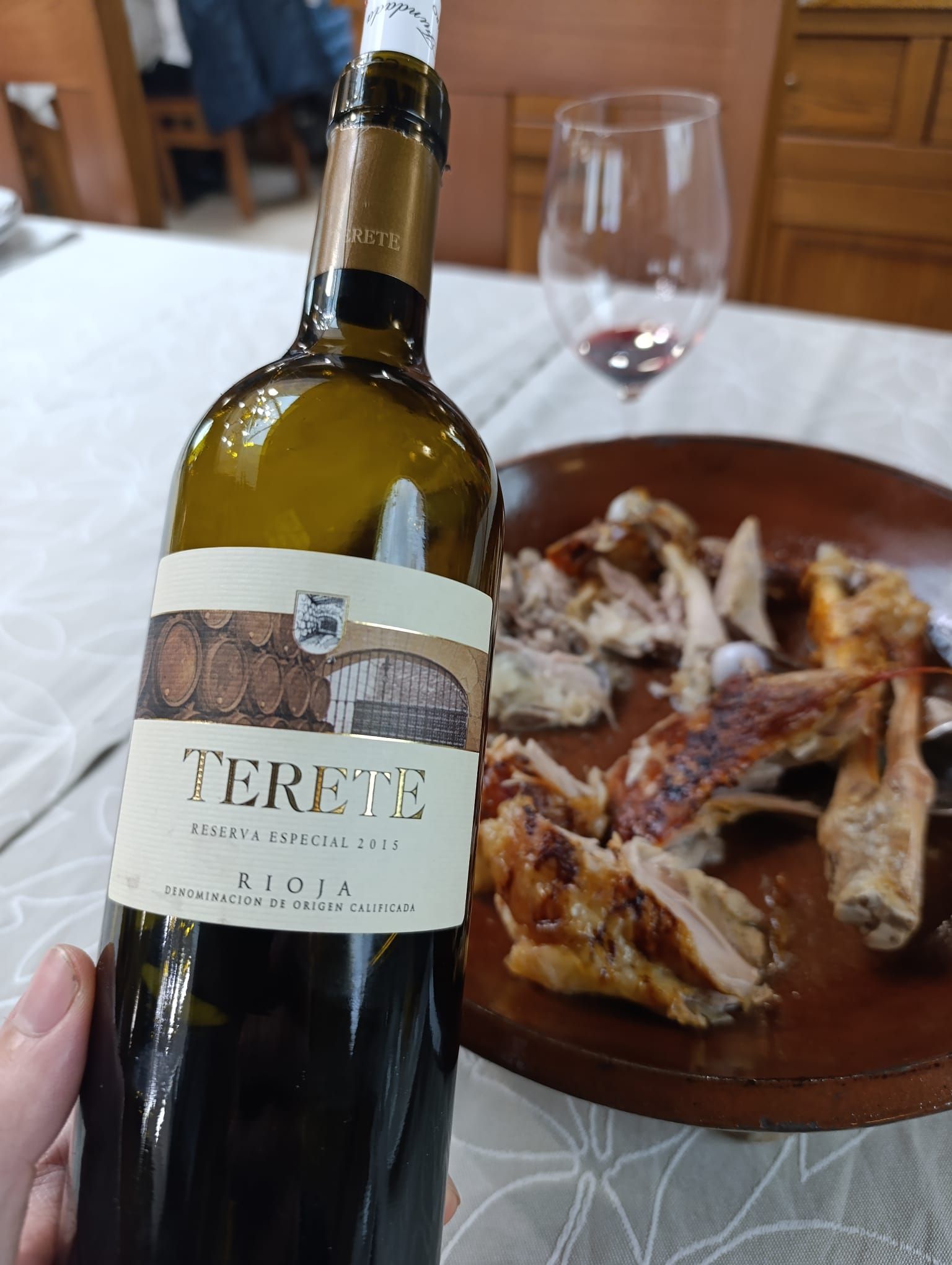
By now, you’ll be ready to sit down. Head to Terete in Haro, a Rioja institution best known for its lechazo asado (roast baby lamb) cooked slowly in wood-fired ovens. The service is brisk, the setting traditional, and the food exactly what you want after a morning of tastings: hearty, honest, deeply local.
Order the lamb. Don’t overthink it.
Late Afternoon: The Family Winery - Rioja’s Heart and Humanity
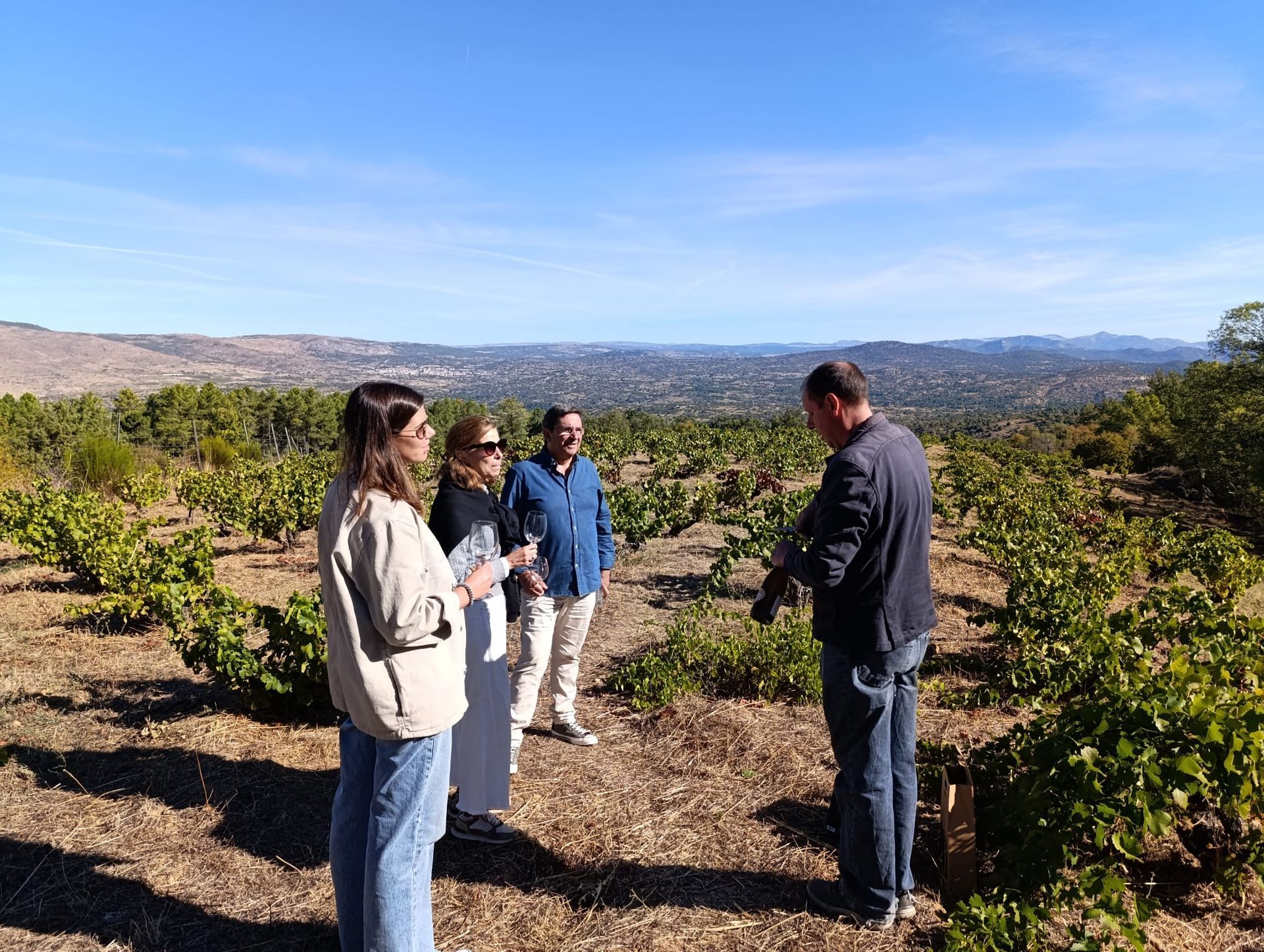
After exploring the grand history and underground past, your final stop should bring you face to face with something more personal: a family-run bodega. These are the producers who farm their own vines, make wine in small lots, and often work across generations.
They might not have monumental façades or enormous barrel rooms, but what they offer is something arguably more important: the human side of Rioja.
Why Family Wineries Matter:
They Preserve Tradition and Land
Many small producers farm vines planted by parents or grandparents. They hold intimate knowledge of:
- old vineyard parcels
- micro-terroirs
- the quirks of local grape varieties
- the balance between tradition and innovation
These are the custodians of Rioja’s agricultural heritage.
They Lead Rioja’s New Wave
While the great houses maintain the classic style, family wineries are often where modern Rioja evolves. Here you’re likely to find:
- fermentations in concrete eggs or amphora
- minimal intervention winemaking
- single-vineyard bottlings
- revived historic grapes like Maturana, Tempranillo Blanco or Garnacha old vines
- experimentation with oak types or no oak at all
They’re small enough to be flexible, curious and bold.
They Make Wine With a Personal Story
When you visit a family winery, you’re often greeted by the owner or winemaker themselves. They’ll tell you:
- who planted the vineyard
- why they made a certain blend
- how weather shaped that vintage
- what makes their corner of Rioja different
It’s wine with fingerprints, not formulas.
What Your Visit Gives You
A family winery completes your Rioja picture by offering:
- Intimacy - small spaces, hands-on explanations, a direct line to the winemaker
- Terroir detail - the chance to taste plots, soils, slopes and single vineyards
- Perspective - understanding how Rioja is evolving, not just how it was
- Connection - the authenticity of seeing a family living its craft
This is the final pillar of Rioja: if Laguardia shows the past and the Barrio shows the classic story, then family wineries show you the a different past, but also the present and future.
And then you're free to head elsewhere, or start the cycle again by heading back to Calle Laurel.
And if this sounds interesting, but you don't want to plan yourself, you can book a tour to Rioja with Vine Travel here.
Want something closer to the capital? Choose from one of our wine tours from Madrid here.