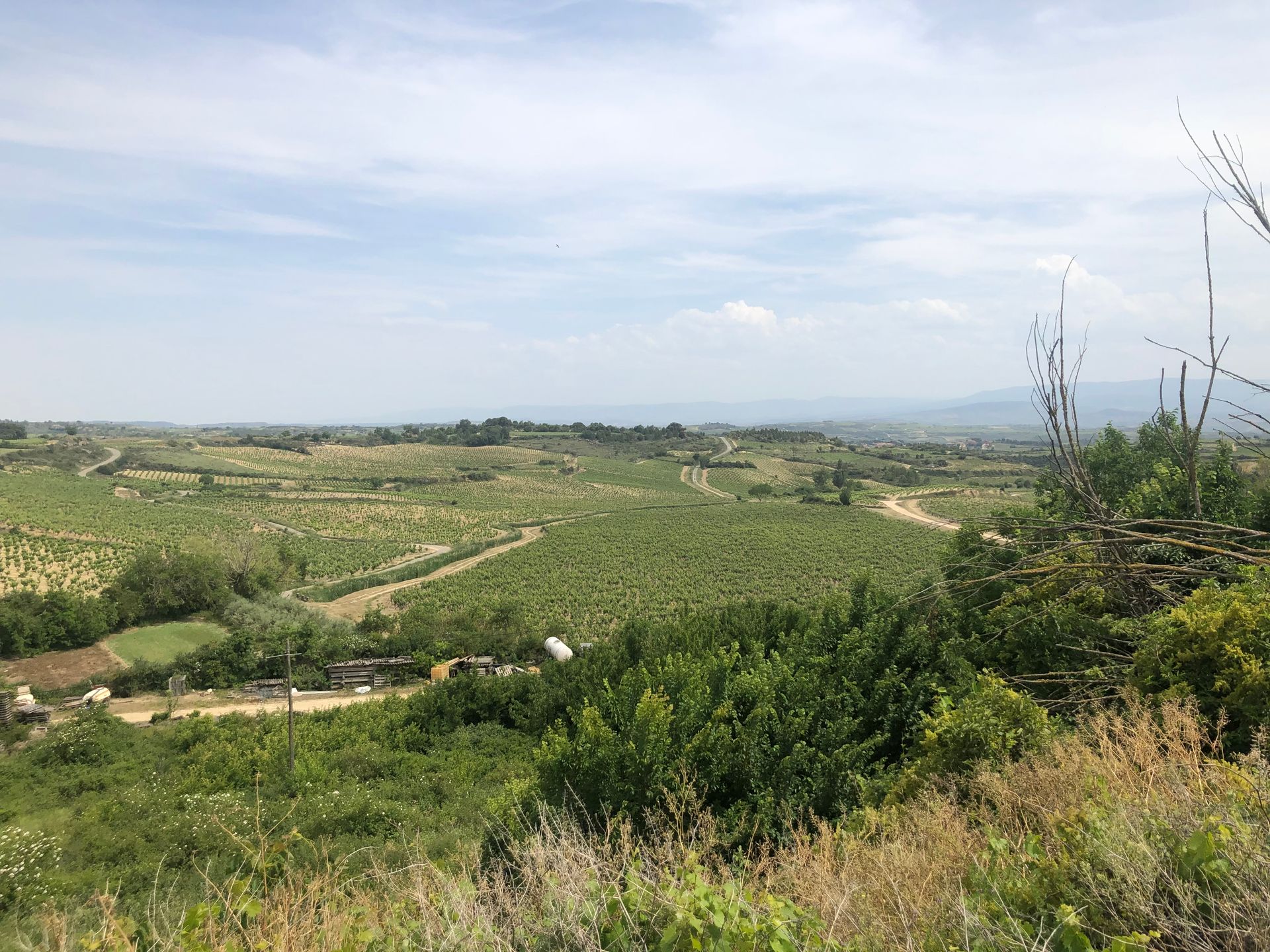
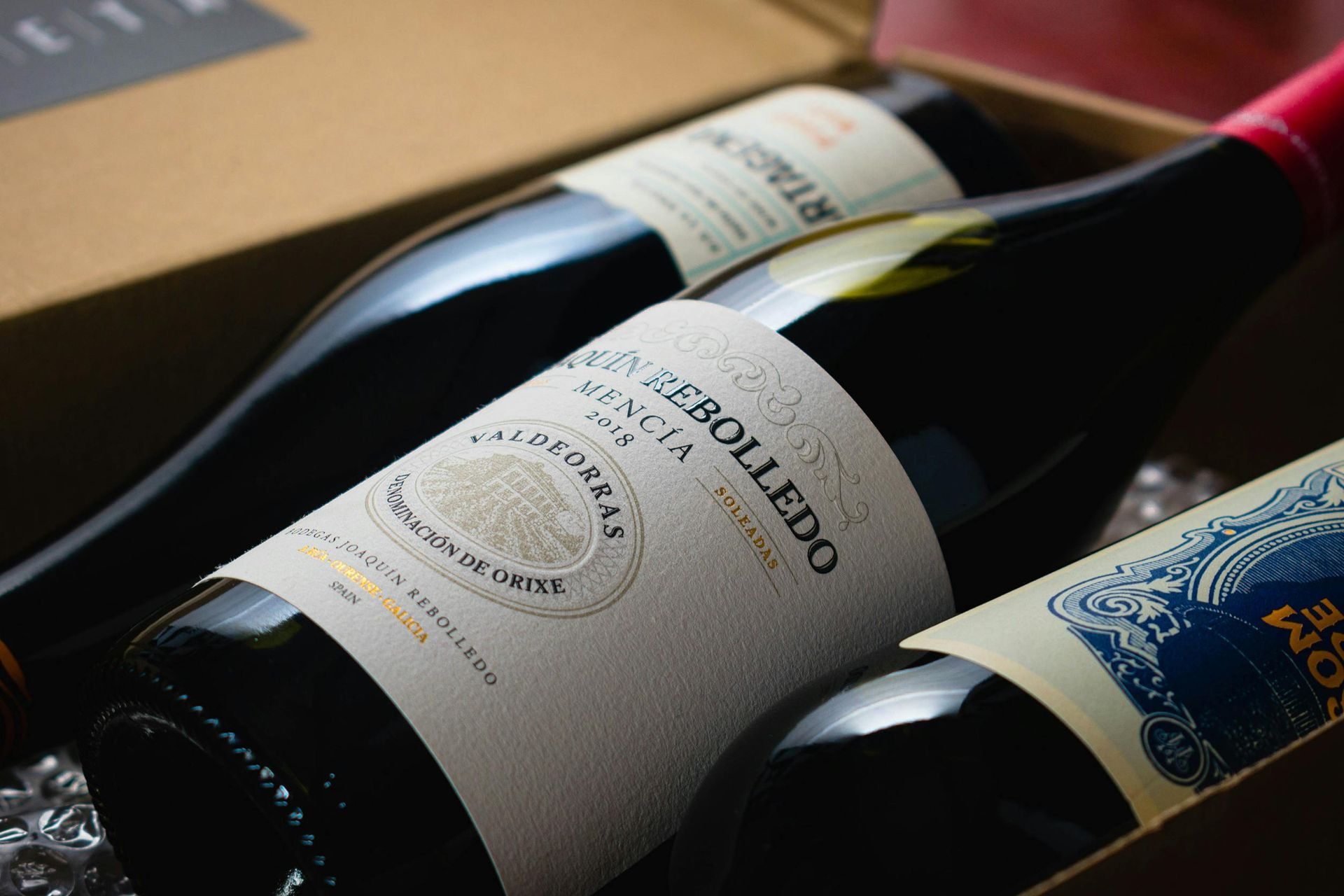
So you’ve decided you want to go to Ribera del Duero.
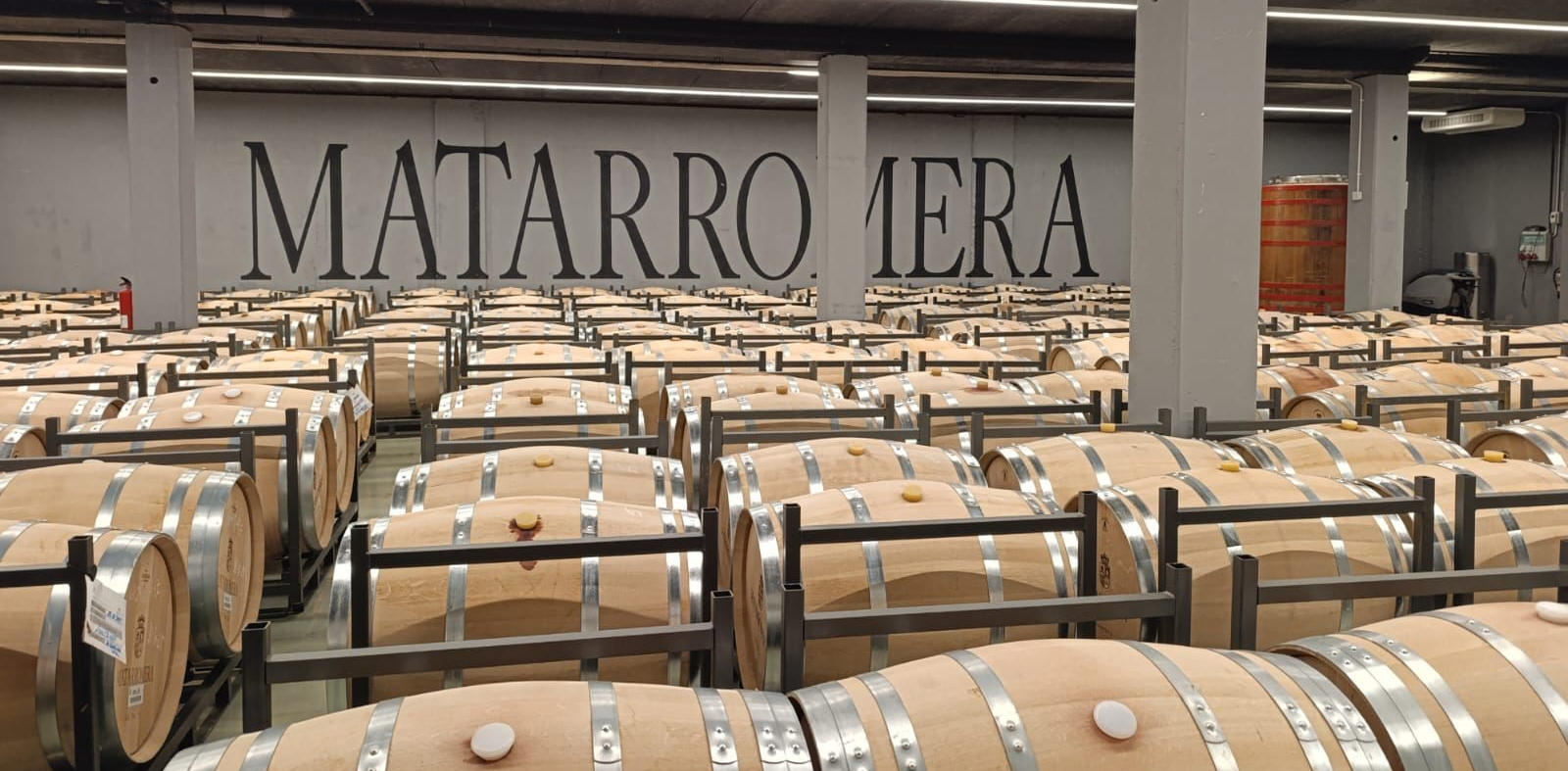
Good choice.
Because Ribera is not just “Rioja’s louder cousin”, or “Tempranillo but darker”. It’s one of Spain’s most rewarding wine regions to visit: dramatic landscapes, serious cellars, and food that makes you cancel dinner plans back in Madrid.
But Ribera can also feel a bit confusing for first-timers.
It’s not one single town. It’s not one single wine route. And it’s not a region where you can just turn up and expect wineries to be open for walk-ins.
So here’s the guide: how to arrive, where to base yourself, which villages matter, what to eat, and which wineries to prioritise, with a mix of major bodegas, underground cellars, and smaller family estates.
Where is Ribera del Duero?
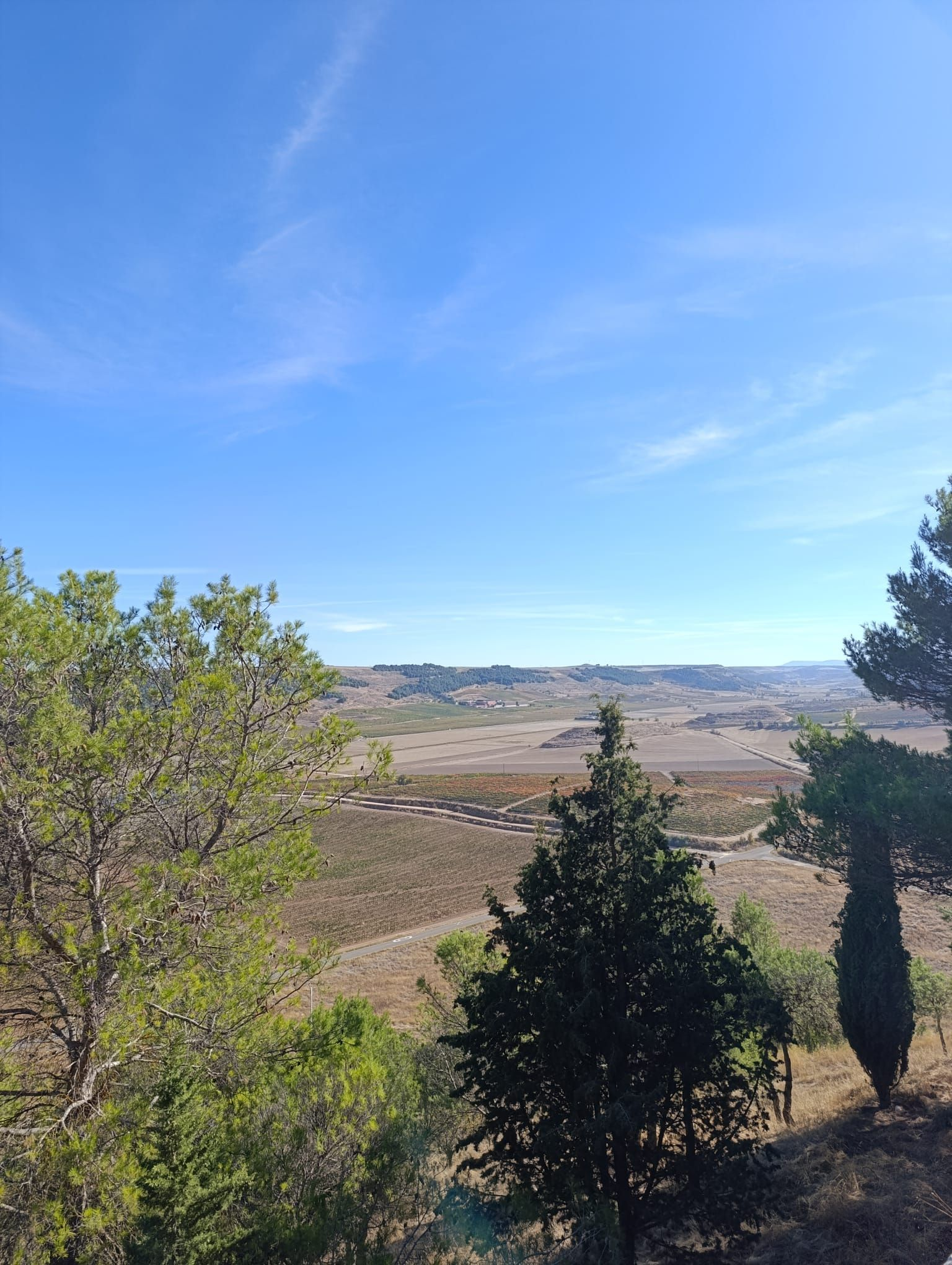
Ribera del Duero DO follows the Duero River, cutting across inland northern Spain.
It stretches across
four provinces, which is something many visitors do not realise:
- Burgos
- Valladolid
- Soria
- Segovia
If you’re coming for your first visit and want the classic Ribera experience, you’ll spend most of your time in the
Burgos province, close to
Aranda de Duero
or quite likely to be in the Golden Mile of Ribera del Duero that stretches for 15km in the province of
Valladolid.
Getting to Ribera del Duero: Arrival and transport From Madrid
Ribera is one of the easiest major wine regions to visit from Madrid, which is why it’s such a strong first wine trip.
You’re looking at roughly:
- Around 2 hours by car to central Ribera villages (depending on where you’re going)
- Usually via the
A-1
corridor (Madrid to Burgos direction)
Can you do Ribera del Duero by train?
In theory, yes. In practice, it’s not ideal.
You can reach towns like
Aranda de Duero
by bus, but Ribera is spread out. Wineries are not all clustered in one town, and taxis add up quickly. Without your own transport (or a guided tour), you end up losing a lot of time.
The best choice for first-timers
If you want Ribera to feel relaxed rather than logistical, your best options are:
- Hire a car and plan visits properly
- Do a day tour from Madrid so you can taste without driving
Where to stay in Ribera del Duero
If you ask me, Ribera has two perfect bases for first-timers. They give you different styles of trip, but both work brilliantly.
Peñafiel: best for the classic wine weekend
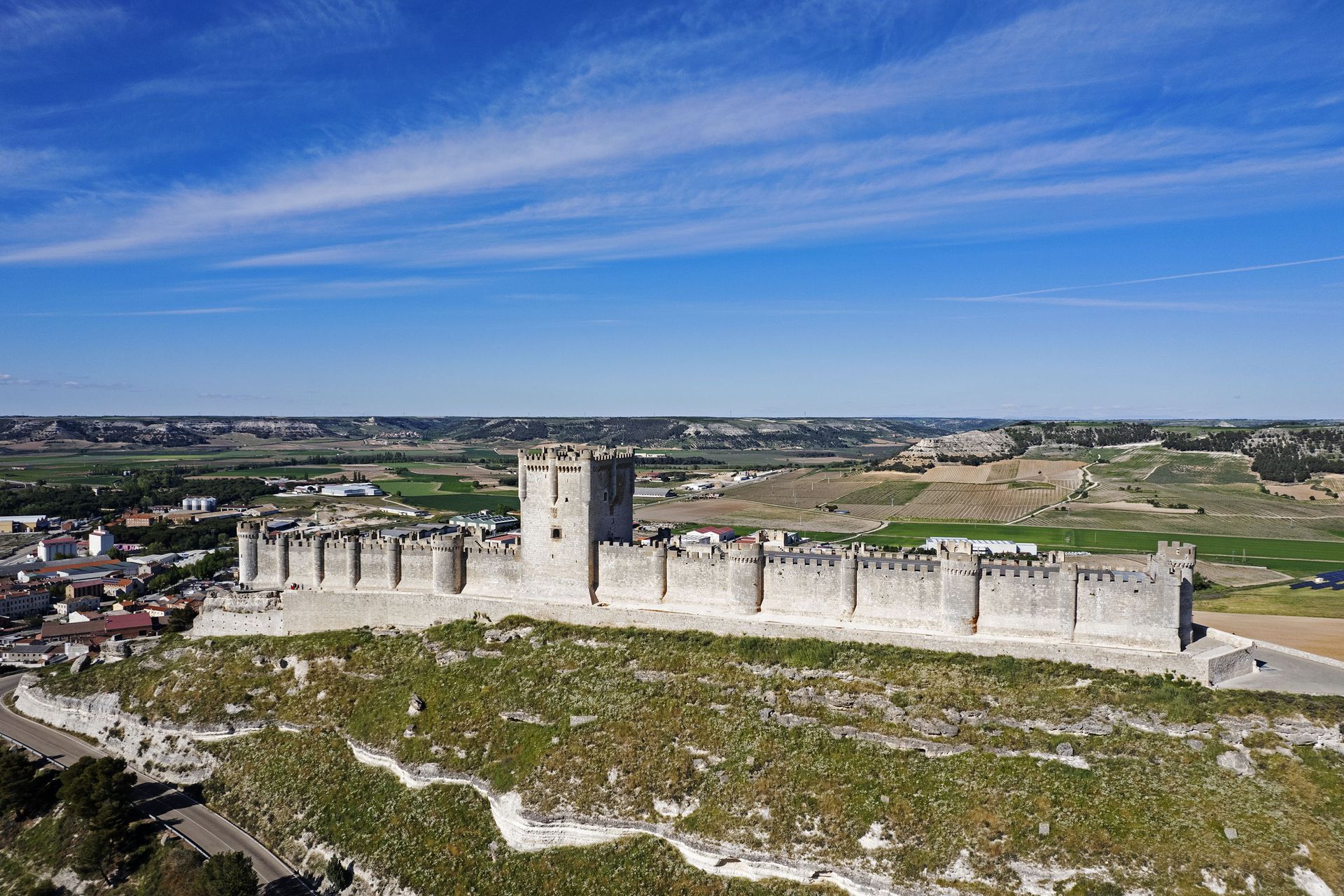
Peñafiel is small but iconic.
It’s surrounded by vineyards, wineries, and classic wine-country scenery. You also have one of the region’s most recognisable landmarks towering above the town:
Peñafiel Castle.
Peñafiel is the best base if you want:
- a romantic wine weekend
- village atmosphere
- easy access to Burgos and Valladolid-side wineries
- a Ribera trip that feels scenic, calm, and focused
If it’s your first time and you want the postcard version, Peñafiel is hard to beat.
Aranda de Duero: best for variety and food
Aranda is bigger, more practical, and very well located.
This is the town to choose if you want restaurant options, more nightlife, and an easy base that makes it simple to visit multiple winery areas.
Aranda is the best base if you want:
- great local food and lots of restaurant choice
- a central location close to many wineries
- a lively town feel, rather than a quiet village feel
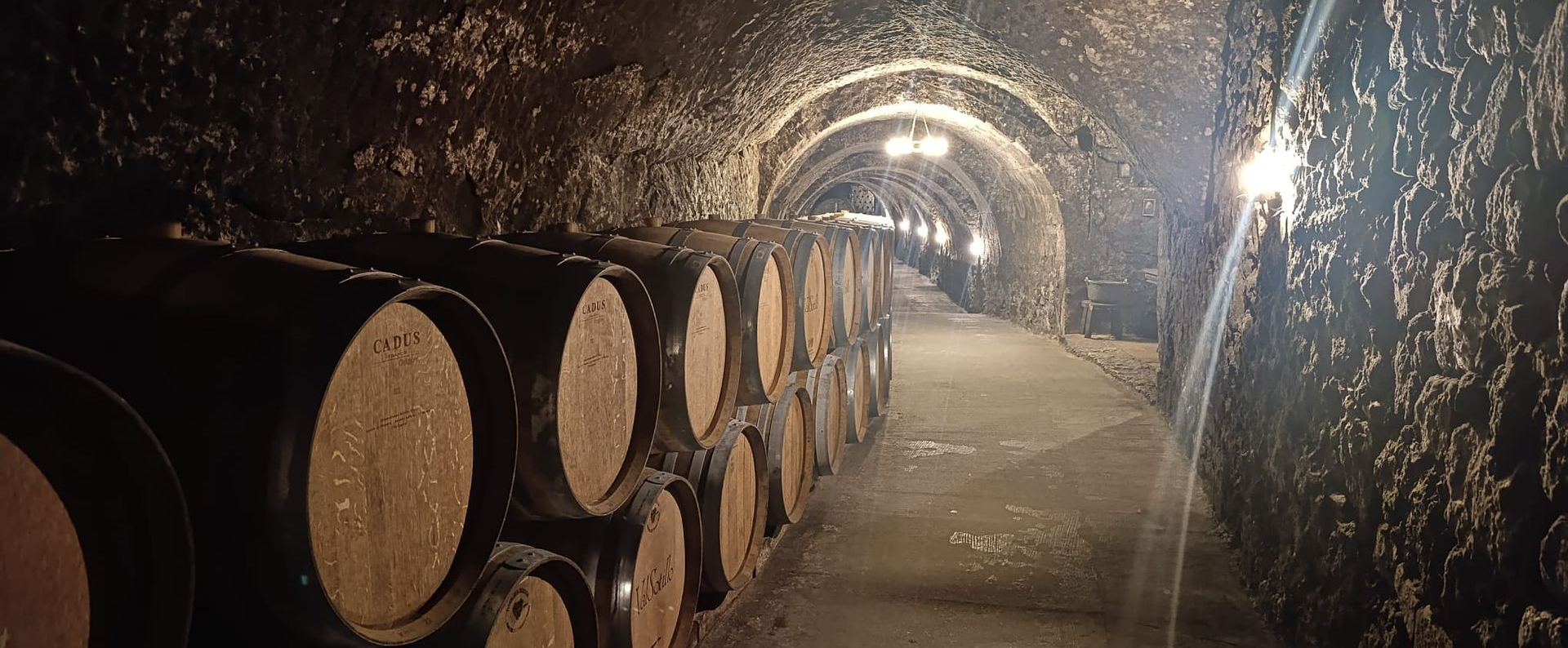
- something uniquely Ribera: underground wine cellars beneath the streets
That last point matters. Ribera has a deep relationship with subterranean cellars, and Aranda is one of the best places to experience that.
Other villages worth knowing
If you want somewhere quieter, or you’ve already been once, these are worth looking at:
- Gumiel de Izán
- Roa
- La Horra
- San Esteban de Gormaz
(Soria side, very underrated)
But for first-timers, keep it simple. Choose Peñafiel or Aranda de Duero and you’ll be perfectly placed.