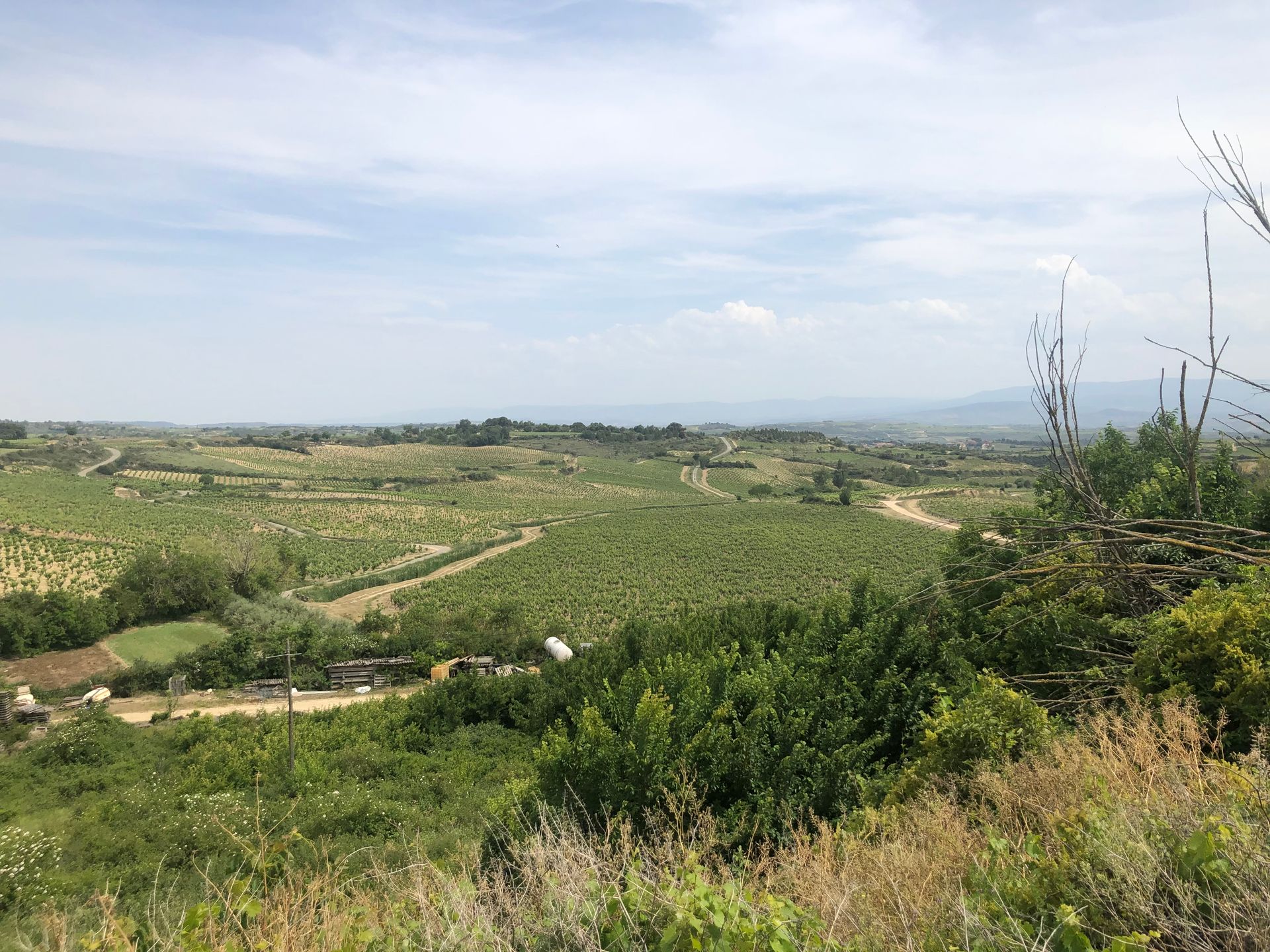
Why Madrid Is the Best Base for Spanish Wine Adventures
Madrid is rarely framed as a wine destination. It has no postcard vineyards on its outskirts and no single flagship appellation dominating its identity.
Yet for travellers who want to explore Spain’s wine regions efficiently, intelligently and in depth, Madrid is arguably the best base in the country.
Not because of what it is surrounded by immediately, but because of what it connects.
Madrid: Spain’s Most Strategic Wine Hub
Madrid sits at the geographic and logistical centre of Spain. From here, some of the country’s most important wine regions are reachable in a single day, without rushing or compromise.
This makes Madrid uniquely suited to travellers looking for wine tours from Madrid that offer genuine regional depth rather than surface-level tastings.
Madrid’s Own Wine Region: DO Vinos de Madrid
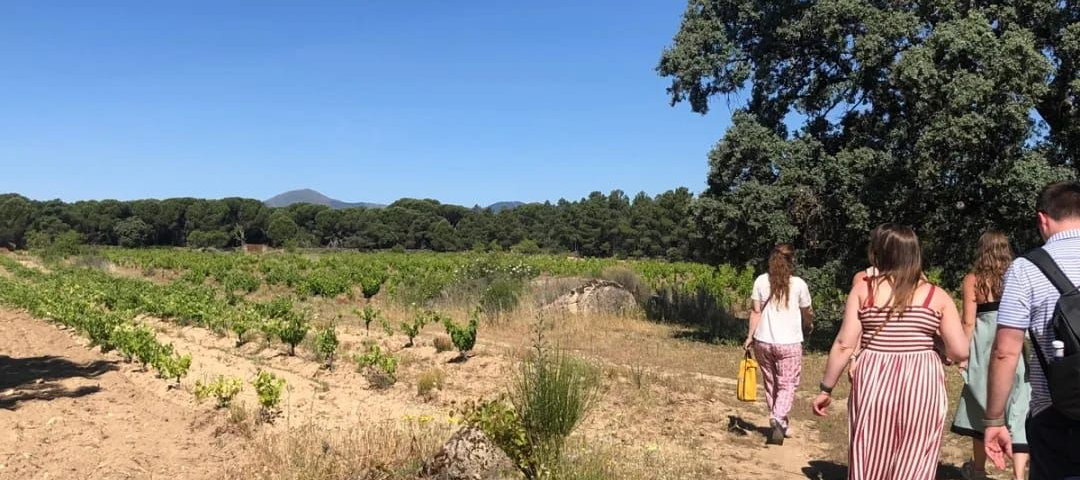
Vinos de Madrid often surprises visitors, not because it produces famous wines, but because it challenges assumptions about what surrounds the capital.
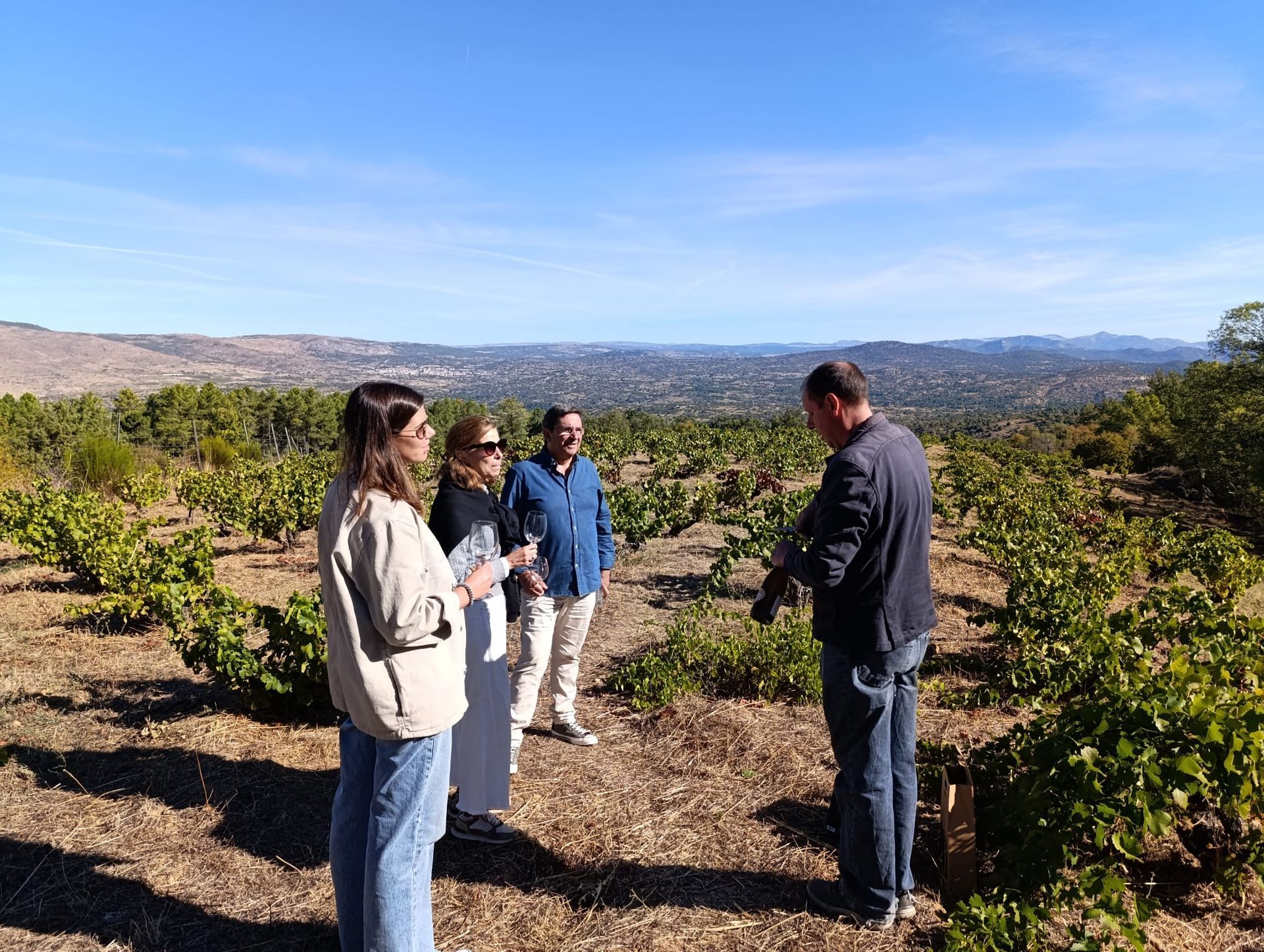
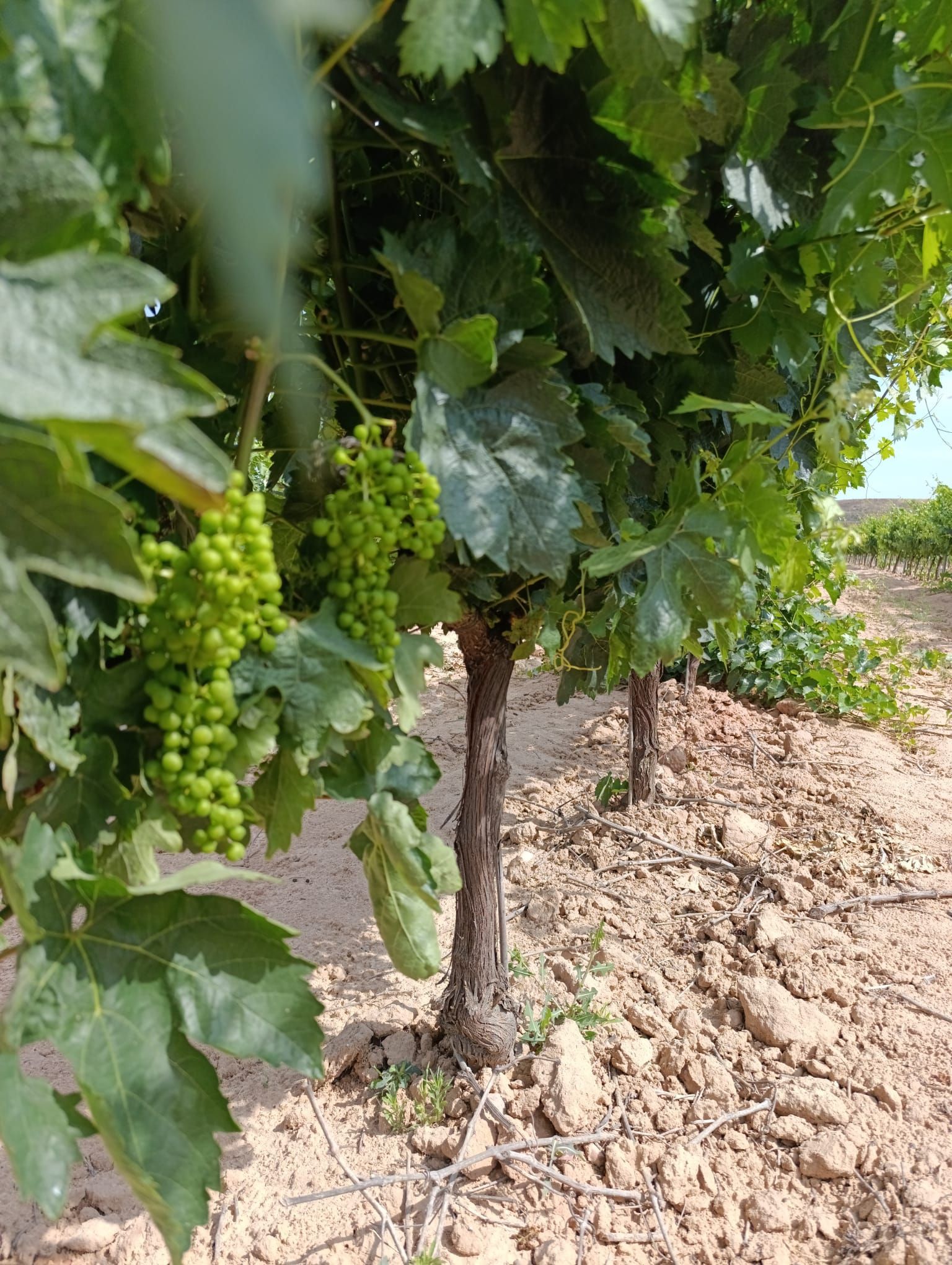
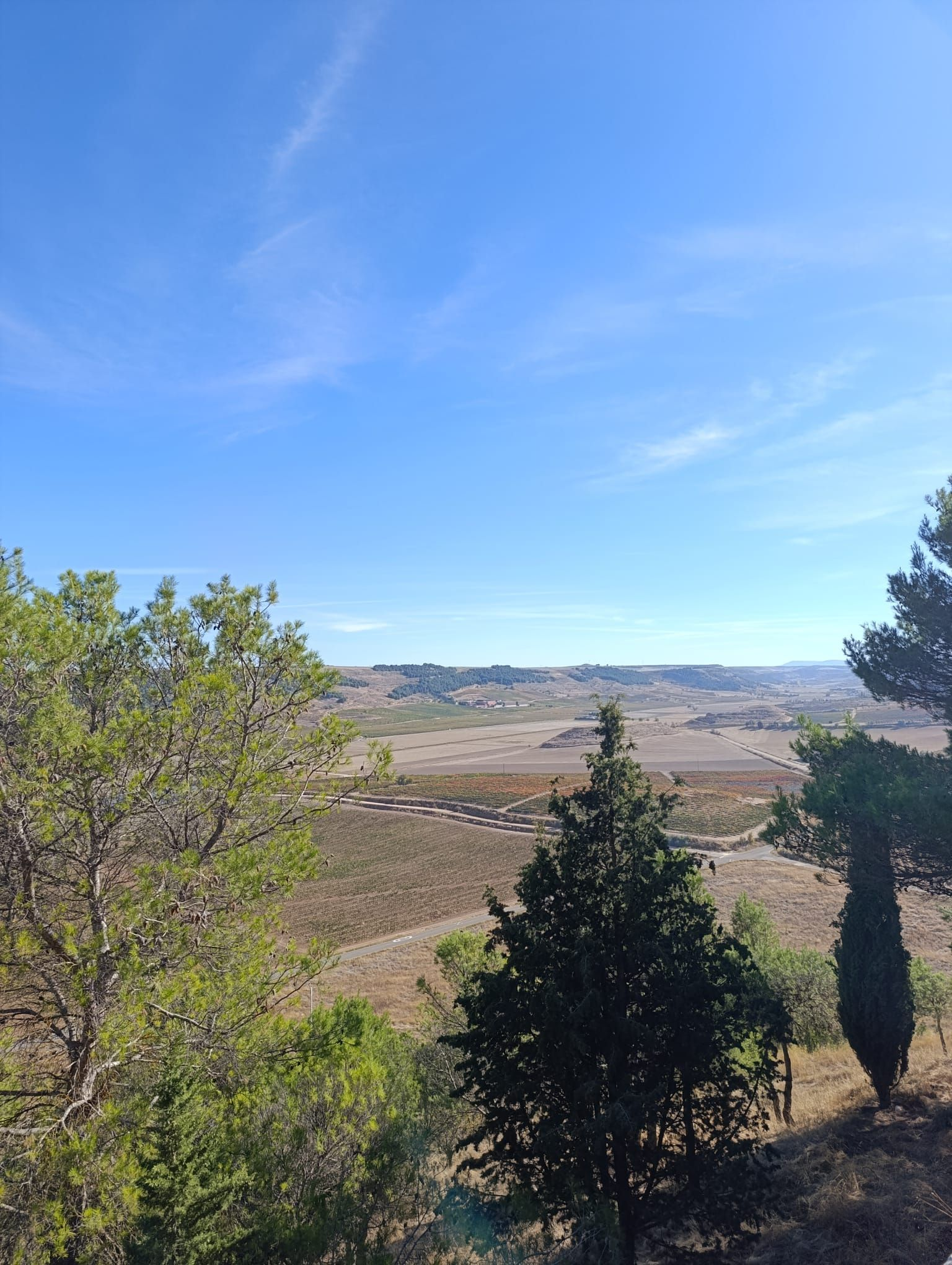
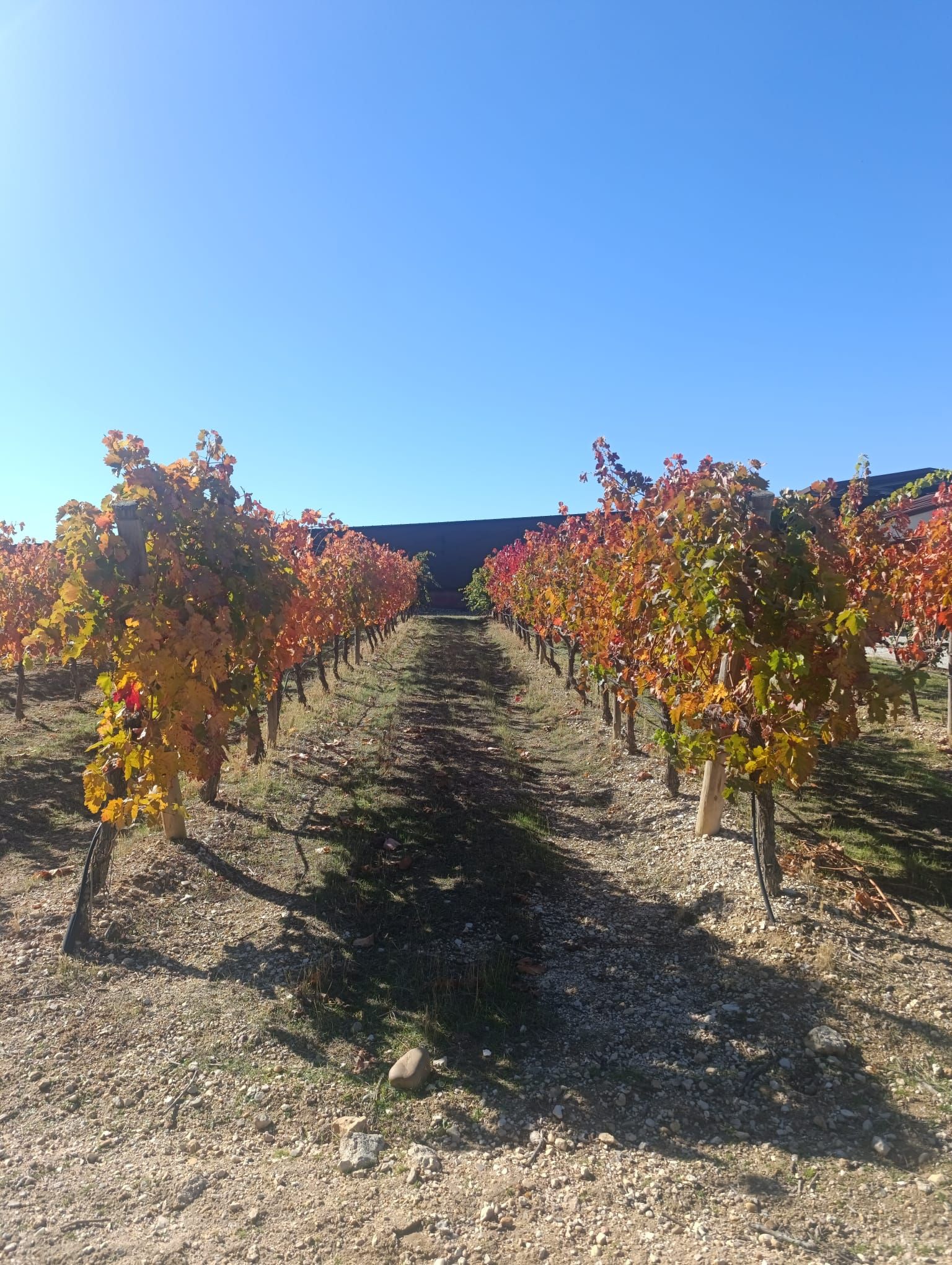
The vineyards lie mainly to the south and east of the city, at elevations that regularly exceed 600 metres. Summers are hot, winters are cold, and rainfall is limited. In the sub-zone of San Martin, these conditions favour Garnacha, Albillo Real, and increasingly precise, site-driven expressions rather than volume-driven production.
Historically, wines from Madrid were consumed locally or blended elsewhere. Today, a small number of producers are focusing on old vines, minimal intervention and clarity of place. For visitors, the region provides essential context: continental Spain, altitude, and the realities of farming vines near a major city.
From a travel perspective, it also offers the shortest possible wine excursion from Madrid, ideal for those with limited time or as a gentle introduction before heading further afield.
Check out our two winery tour in the Madrid DO.
Ribera del Duero: Structure, Altitude and Extremes
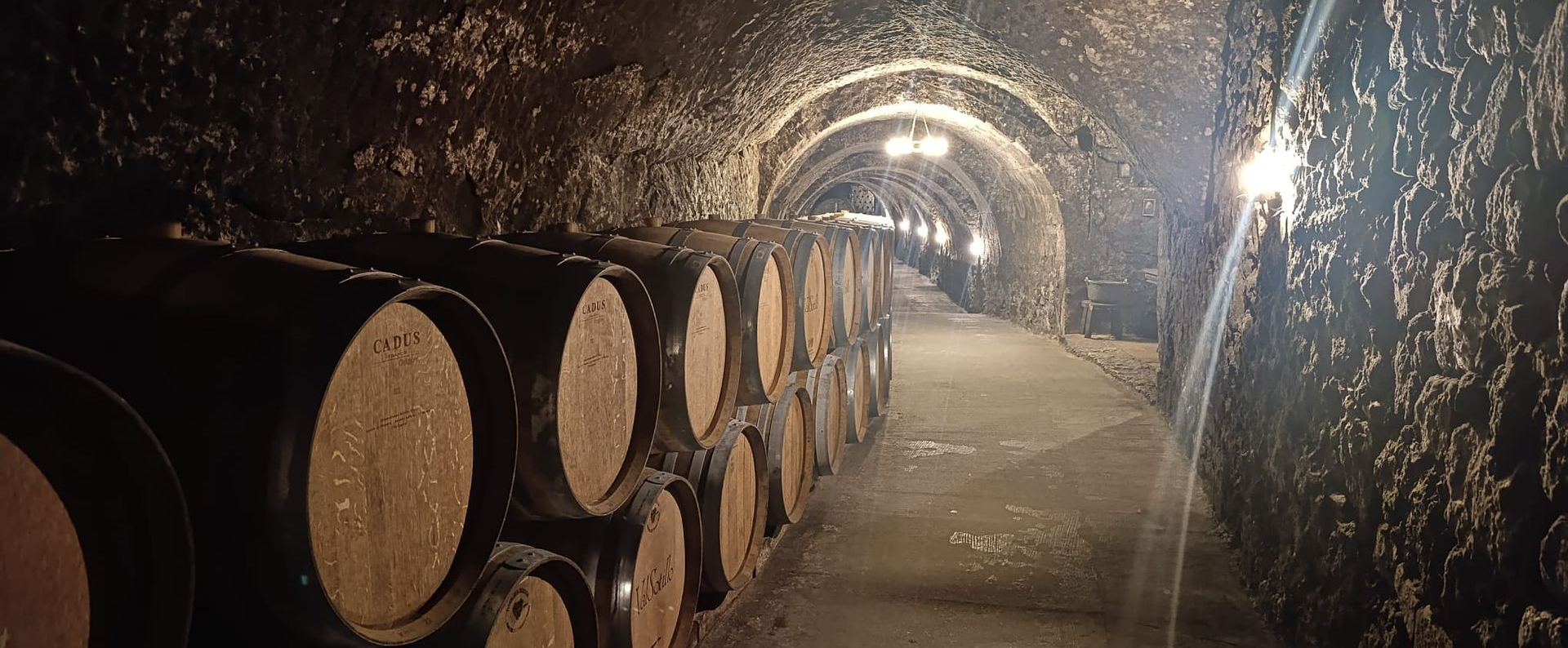
Ribera del Duero lies roughly two hours north of Madrid by car, but the shift in landscape and climate is immediately apparent.
Vineyards sit at 750–900 metres above sea level on a high plateau bisected by the Duero River. Summers are hot, but nights cool dramatically. Winters are harsh. These extremes slow ripening and preserve acidity, giving Ribera wines their characteristic combination of power and tension.
Tempranillo dominates, but its expression here is firmer and more structured than in Rioja. Oak use varies widely, from traditional long ageing to far more restrained modern styles. Increasingly, producers are paying closer attention to altitude, village identity and old-vine parcels.
For visitors, Ribera rewards explanation. Without context, wines can feel monolithic. With it, the region reveals nuance, freshness and a strong sense of place that goes far beyond reputation.
Check out our three wineries + lunch tour from Madrid.
Rueda: More Than Fresh Verdejo
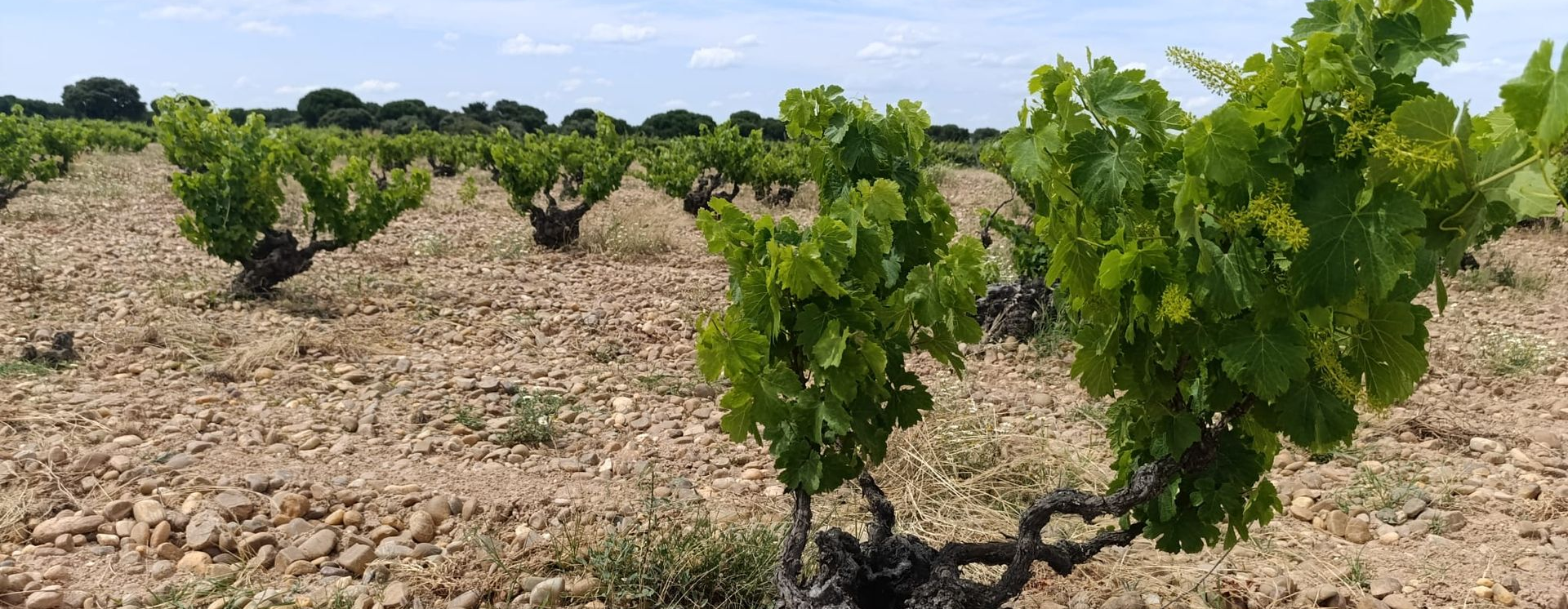
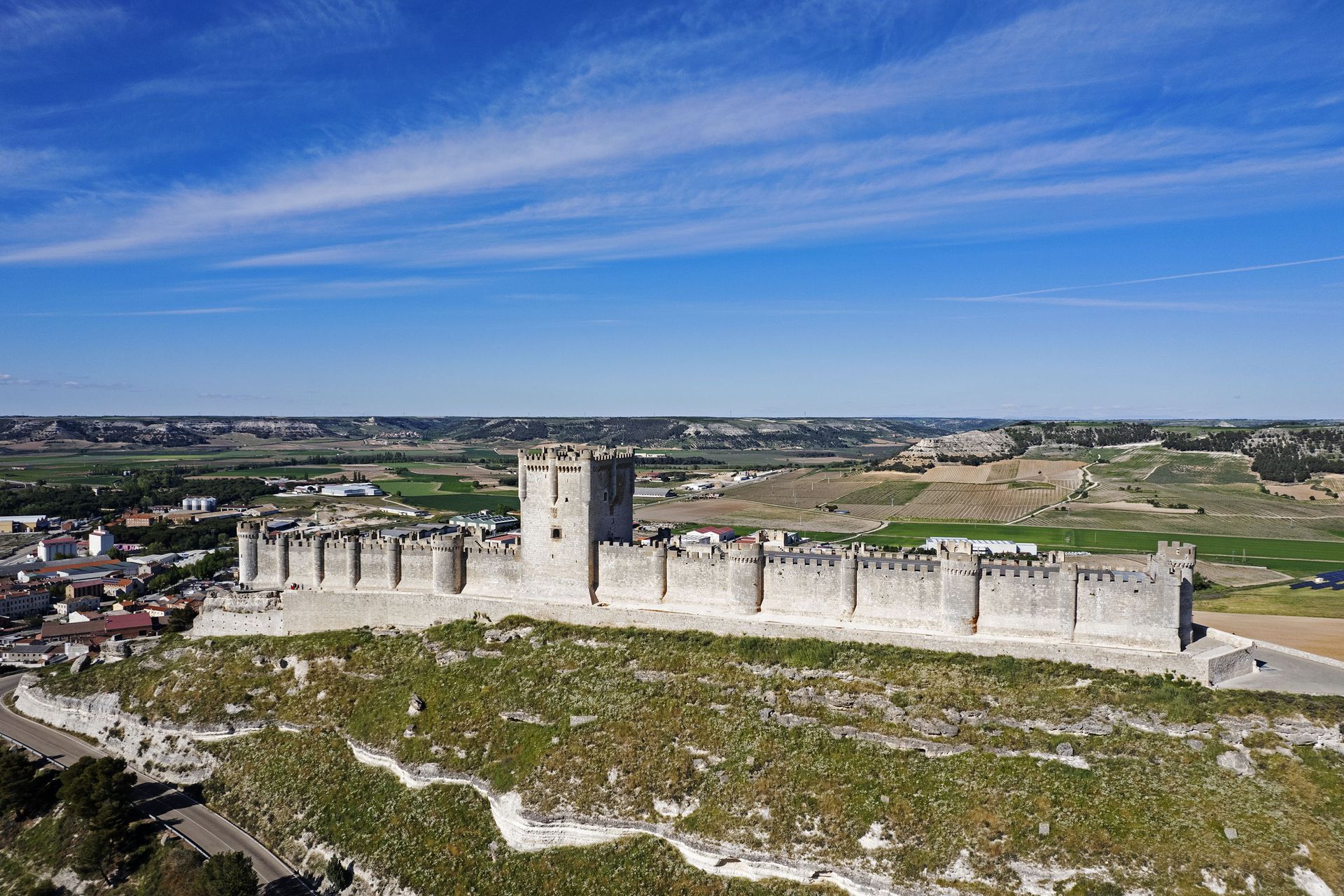
Rueda is also around two hours from Madrid, making it one of the capital’s most logical white wine day trips.
While Verdejo is the region’s calling card, Rueda is far from uniform. Gravelly soils, high altitude and a continental climate create naturally fresh wines, but stylistic approaches vary widely. Alongside crisp, aromatic examples, there are oxidative styles, barrel-fermented wines and serious old-vine bottlings with texture and ageing potential.
Historically, Rueda’s reputation was built on reliability rather than complexity. Today, a growing number of producers are pushing back against formulaic winemaking, prioritising vineyard expression and restraint.
For visitors interested in Spanish white wine beyond Albariño clichés, Rueda provides clarity, diversity and surprising depth within a compact region.
Check out out wine tour with Michelin-star lunch from Madrid.
Rioja via Logroño: Tradition, Change and Contrast
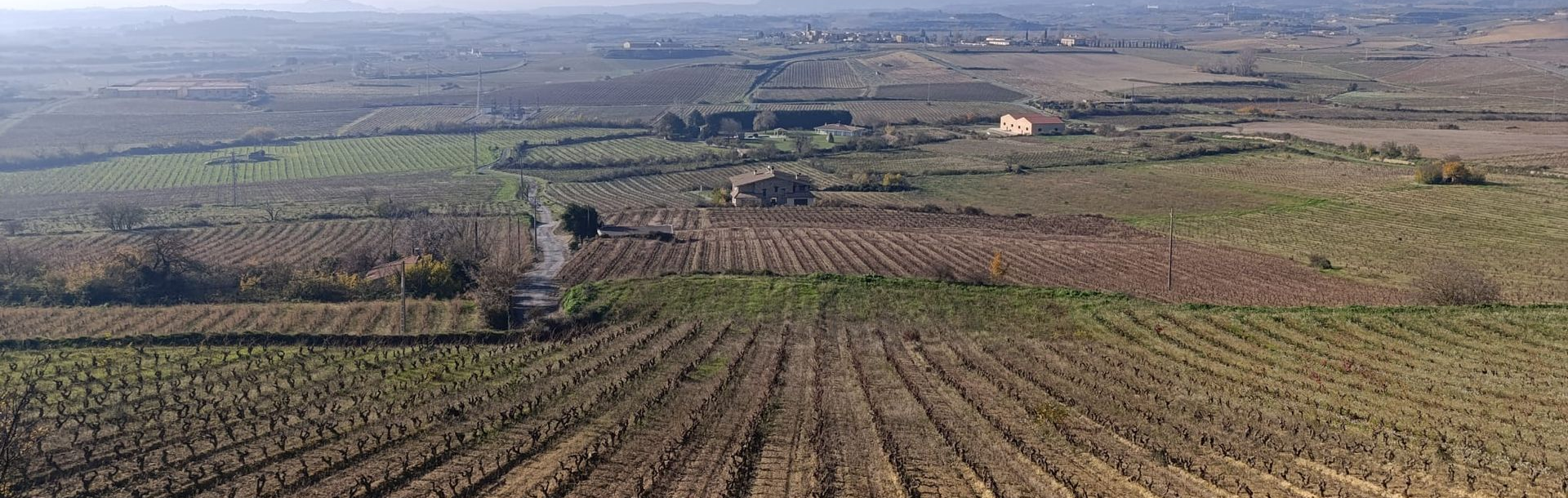
Logroño is relatively easy to reach by train from Madrid, making Rioja one of Spain’s most accessible classic wine regions without needing a car.
What Rioja offers today is contrast. Long known for its ageing classifications and American oak influence, the region is now home to a wide spectrum of styles. Traditional producers continue to release wines with extended barrel and bottle ageing, while newer projects focus on vineyard sites, village identity and minimal intervention.
Geographically, Rioja is far from uniform. Atlantic influence in the west gives way to more Mediterranean conditions in the east, shaping both grape varieties and wine styles. Garnacha, long overlooked, is increasingly central to the region’s future.
For visitors, Rioja benefits enormously from context. Seeing both historic cellars and modern interpretations side by side makes clear just how much the region has evolved.
Check out our Rioja wine tour.
Valencia and Utiel-Requena: Altitude, Bobal and Reassessment
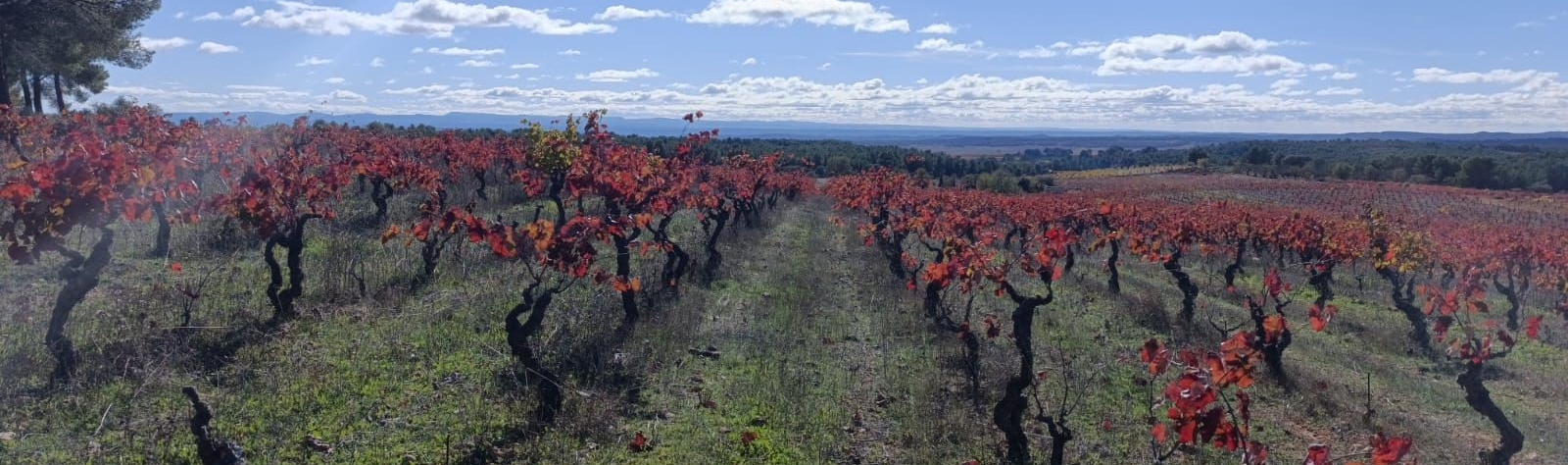
Utiel-Requena sits inland from the Mediterranean coast, on a high plateau west of Valencia, and is accessible from Madrid by both car and train.
The region’s defining grape, Bobal, thrives here at altitude. Long associated with bulk wine, it is now being re-evaluated through old vines, careful extraction and a focus on freshness rather than weight. The results can be remarkably precise, with dark fruit, firm acidity and a distinctly continental feel despite the region’s proximity to the coast.
Soils range from limestone to sandy clay, and vineyards often sit between 700 and 900 metres. This elevation moderates heat and extends the growing season, producing wines that feel far more restrained than many expect from eastern Spain.
For travellers willing to look beyond famous names, Utiel-Requena offers insight into how Spain’s lesser-known regions are redefining themselves quietly, without marketing noise.
Check out our Utiel-Requena wine tour.
Why This Matters for Wine Travellers
Each of these regions tells a different story, yet all are realistically reachable from Madrid.
What Madrid offers is not just convenience, but comparative understanding. By using the city as a base, travellers can experience Spain’s diversity in climate, grape varieties and winemaking philosophies without constantly relocating or sacrificing depth.
For those serious about learning - not just tasting - that perspective is invaluable.