Spain does wine travel differently. In many regions, your tasting room isn’t just surrounded by vines, it sits beneath medieval walls, ancient fortresses, and centuries of history. From the iconic hilltop castle of Peñafiel to the dramatic rock fortress of Almansa, these villages combine two of Spain’s greatest attractions: wine and history. If you’re planning a road trip through wine country, these are five villages where you can explore a castle in the morning and be sipping local wines by lunch.
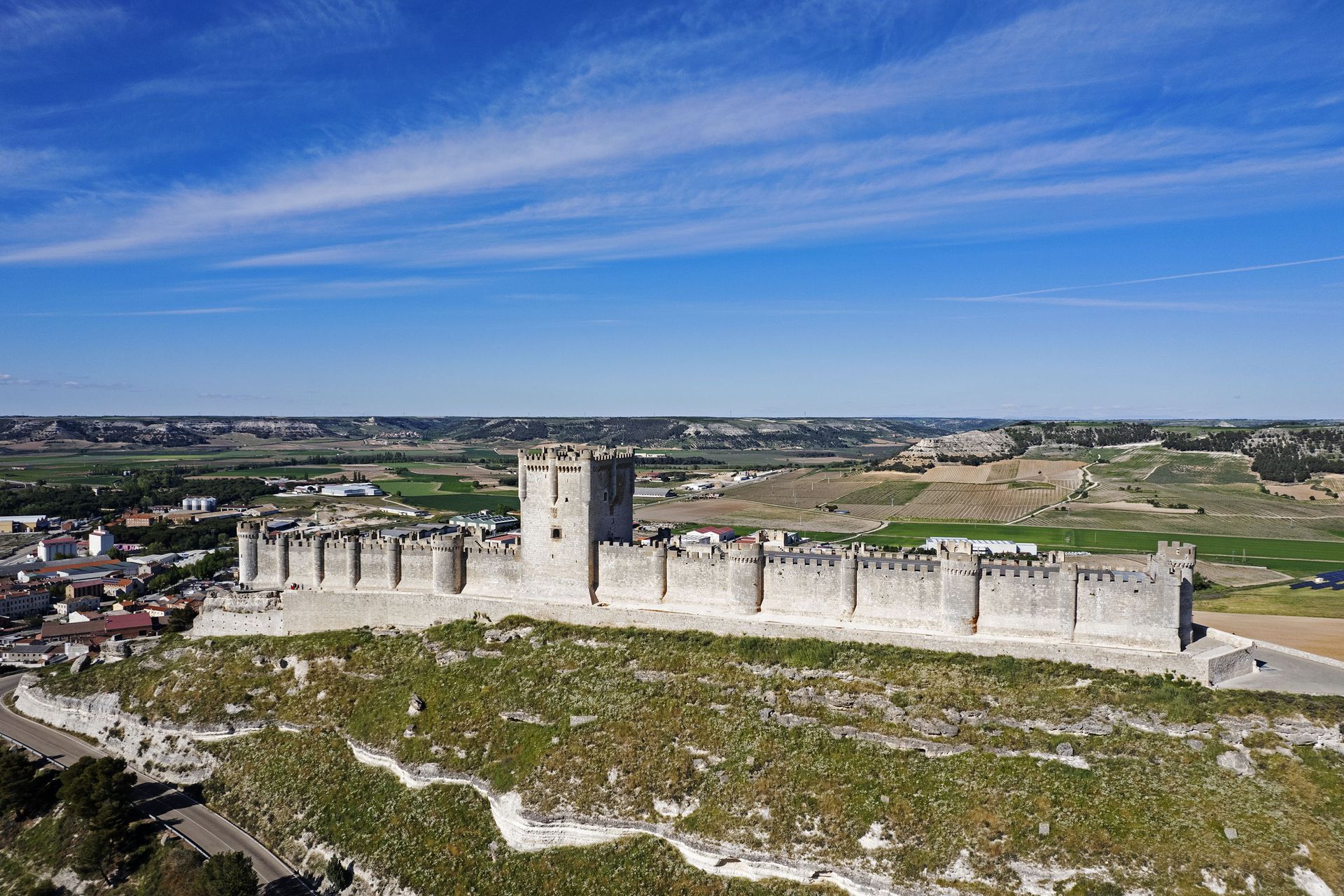
1. Peñafiel (Ribera del Duero)
Peñafiel is one of Spain’s most iconic wine villages, and its castle is impossible to miss. Sitting high above the town, the elongated fortress dates back to the 10th century when this part of Castilla y León marked the frontier between Christian kingdoms and Al-Andalus. Rebuilt in the 15th century, its unusual shape resembles a giant stone ship overlooking the Duero Valley. Today, it houses the Provincial Wine Museum a fitting tribute in one of Spain’s most famous wine regions.
Below the castle, Peñafiel is surrounded by the vineyards of Ribera del Duero DO, where Tempranillo (known locally as Tinto Fino) dominates. The area is known for extreme temperatures, limestone-clay soils and powerful yet elegant reds. The town itself is also home to underground wine cellars carved into the hillside, while wineries such as Bodegas Protos are just minutes away.

2. San Martín de Valdeiglesias (Vinos de Madrid)
Just over an hour from Madrid, San Martín de Valdeiglesias feels worlds away from the capital. Its centre is dominated by the 15th-century Castillo de la Coracera, built by Álvaro de Luna, a powerful nobleman who once served as constable of Castile. The castle later hosted Isabella I of Castile before she was crowned queen and remains one of the most impressive historic landmarks in the region.
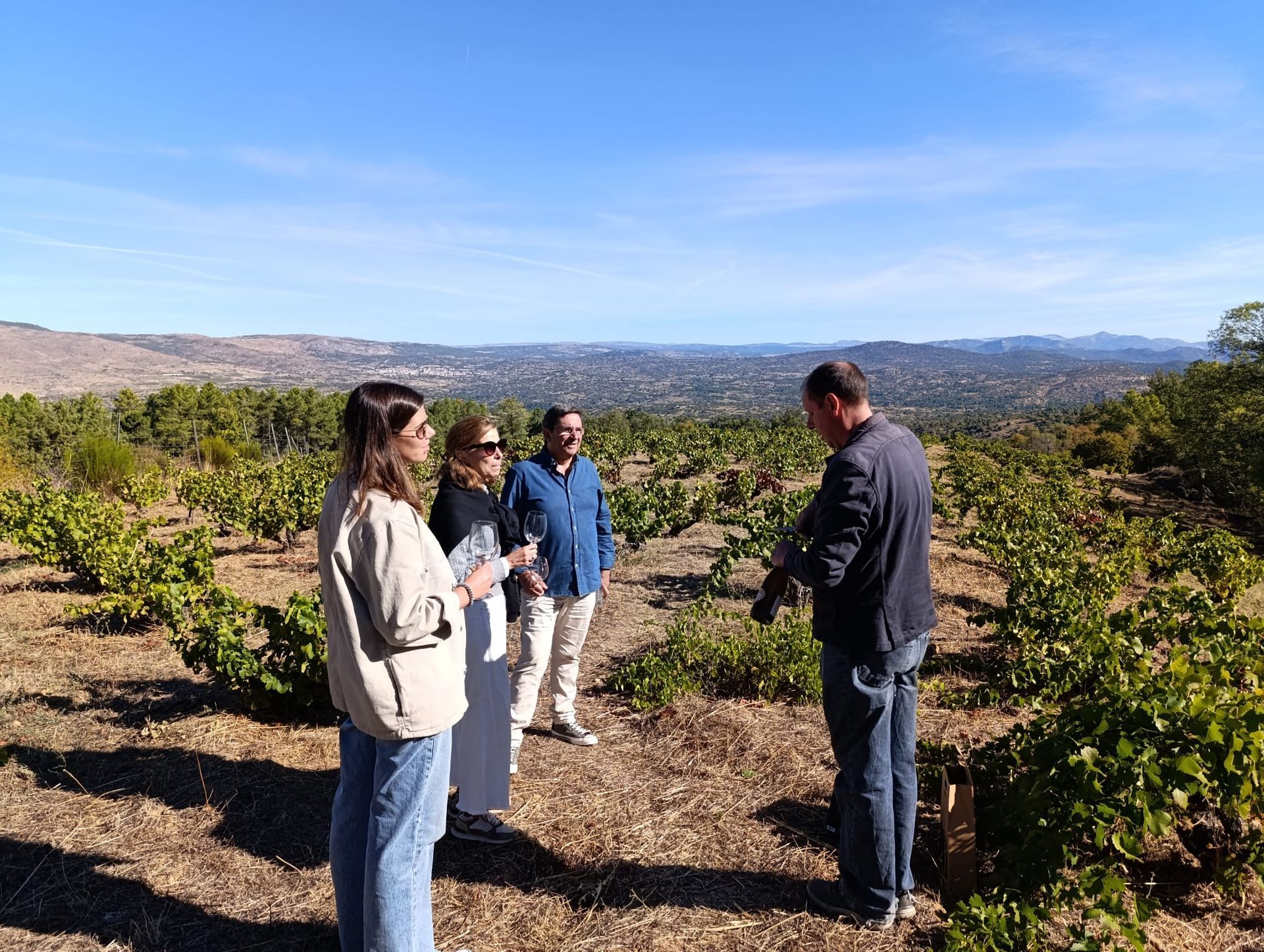
This village lies within Vinos de Madrid DO, specifically the San Martín subzone, where old-vine Garnacha thrives on granite soils in the foothills of the Sierra de Gredos. Higher elevations and cooler nights produce fresher, more perfumed wines than many people expect from Madrid. Producers like Las Moradas de San Martín, Bernabeleva and Comando G have helped put the area firmly on the map. The village is also well-located for the Gredos region in general, with the likes of DO Cebreros within easy reach.
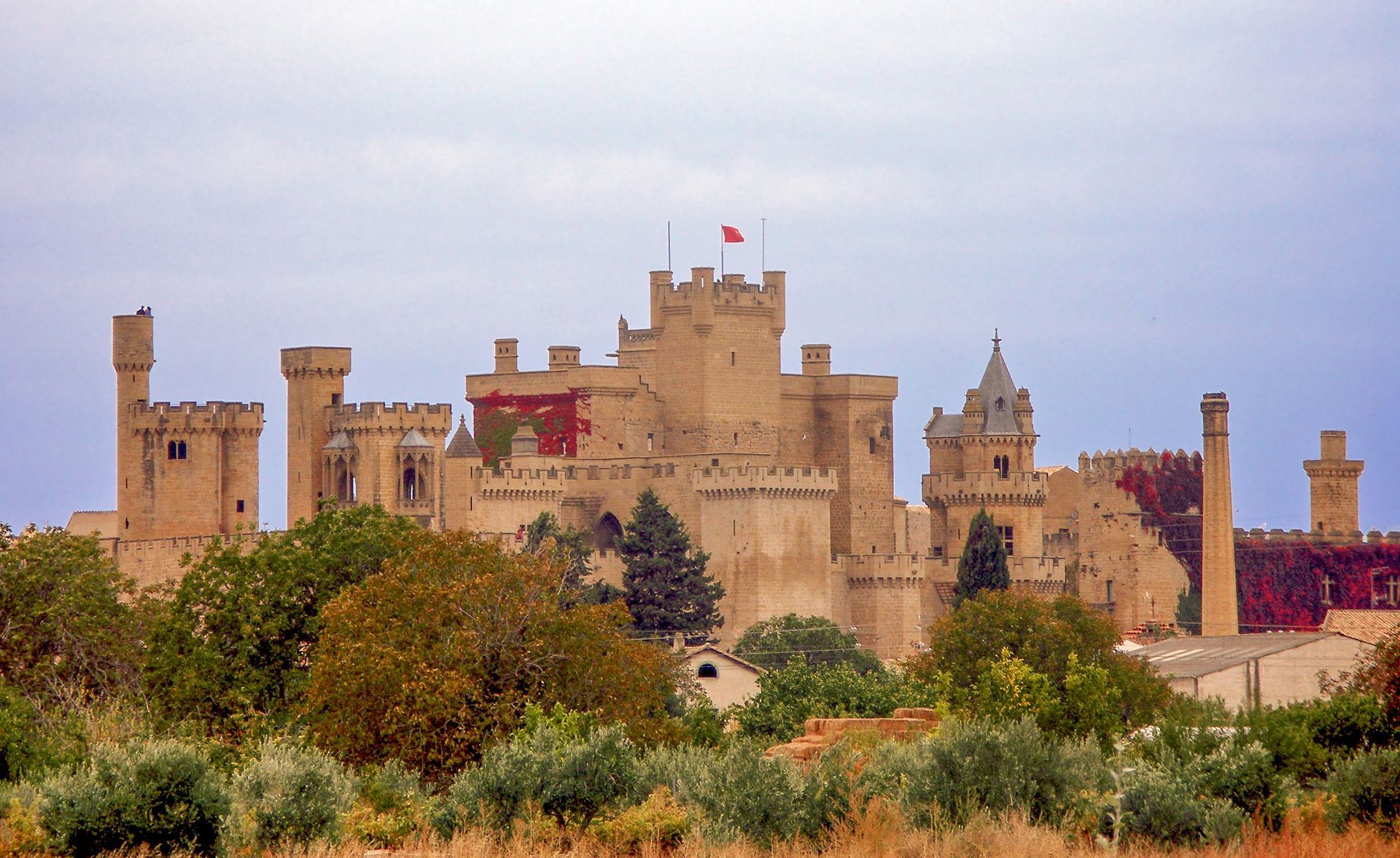
3. Olite (Navarra)
Olite feels like stepping into another era. Its spectacular Royal Palace of Olite was built between the 13th and 15th centuries and became one of the most luxurious royal courts in medieval Europe under the Kings of Navarre. With towers, courtyards, and Gothic architecture, it remains one of Spain’s most beautiful castle complexes.
The town sits in the heart of Navarra DO, a region with a long winemaking history that stretches back to Roman times. Vineyards surrounding Olite produce Garnacha, Tempranillo, Graciano, and increasingly exciting white wines. The region’s varied climate - bridging Atlantic and Mediterranean influences - creates huge diversity in wine styles, and wineries such as Bodegas Ochoa are nearby.
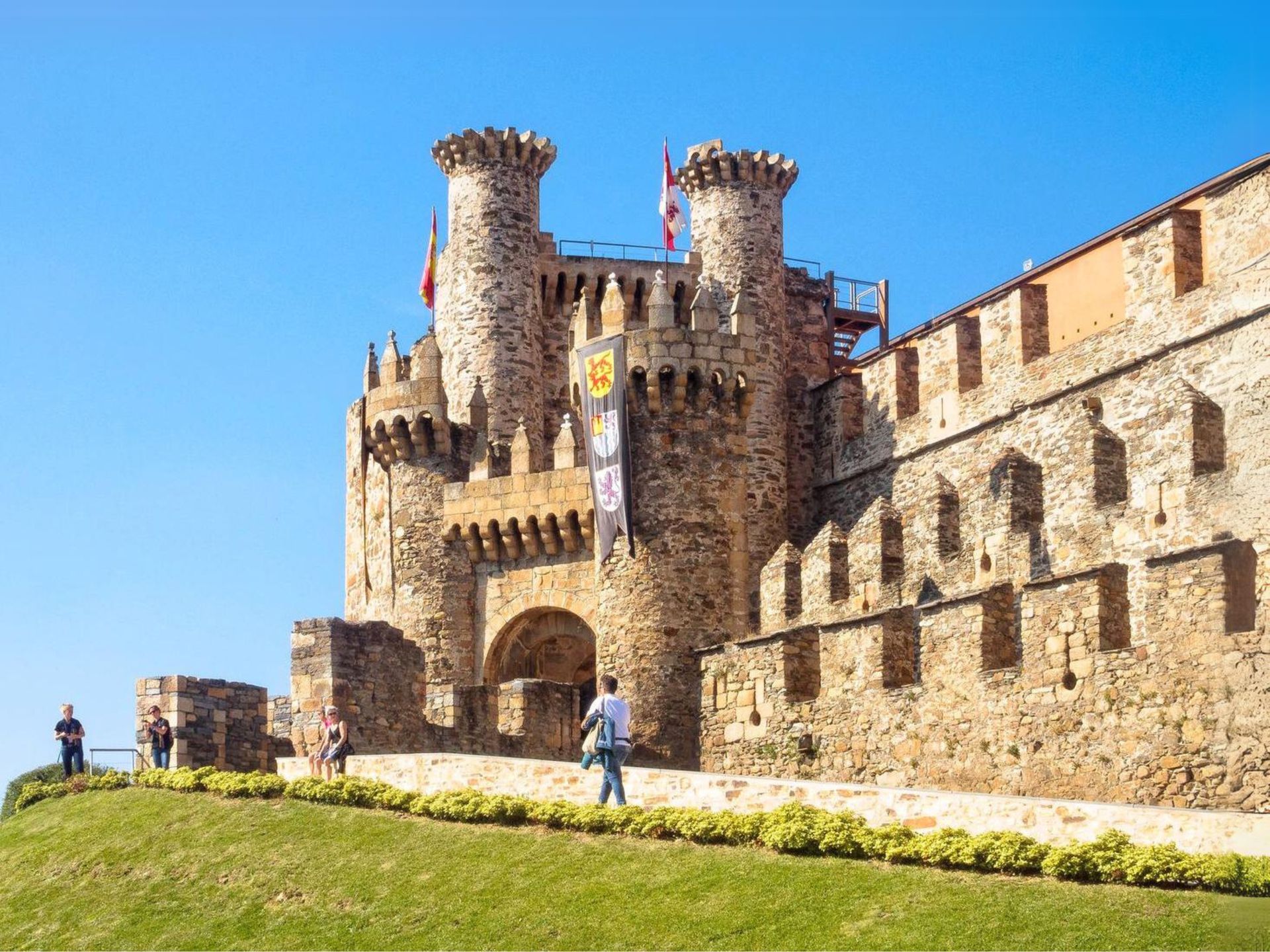
4. Castillo de los Templarios (Bierzo)
Few castles in Spain feel as dramatic as Ponferrada’s fortress. Built on the remains of earlier Celtic and Roman settlements, the site became strategically important in 1178 when Ferdinand II of León handed control of Ponferrada to the Knights Templar to protect pilgrims travelling along the Camino de Santiago. Over the following centuries, the castle expanded into one of the largest fortresses in northwestern Spain, with thick defensive walls, towers, and panoramic views over the confluence of the Sil and Boeza rivers. Even after the Templars were dissolved in the 14th century, noble families continued expanding the fortress, which remains one of Castilla y León’s most impressive medieval landmarks today.
Surrounding Ponferrada are the vineyards of Bierzo DO, one of Spain’s most exciting wine regions. Head west towards Cacabelos, Corullón, and Valtuille de Abajo, and you’ll find steep hillside vineyards planted to old-vine Mencía and Godello. Slate, clay, and quartz soils help produce elegant, mineral-driven wines that have transformed Bierzo’s reputation over the last two decades, with producers such as Descendientes de J. Palacios, Castro Ventosa, and Verónica Ortega leading the way. And a personal favourite of mine - Nacho Alvarez of Pago de los Abuelos.
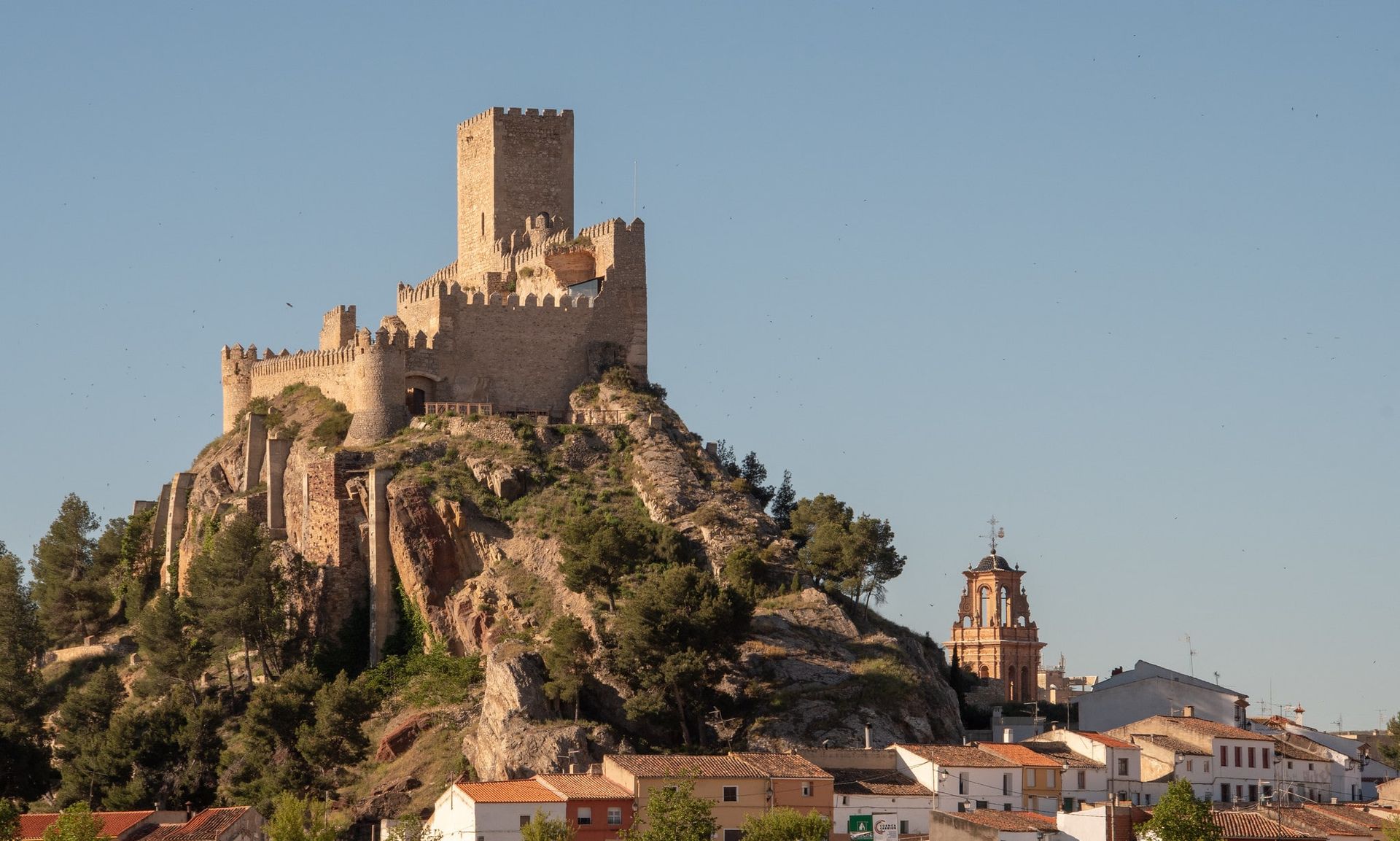
5. Almansa (DO Almansa)
Almansa offers one of Spain’s most dramatic castle settings. Built directly into a towering limestone rock, the Castle of Almansa dates back to the 14th century and played an important defensive role during conflicts between Castile and Aragón. It later became famous as the site of the nearby Battle of Almansa in 1707 during the War of Spanish Succession, one of Spain’s most important historical turning points.
The surrounding vineyards are part of the Almansa DO, one of Spain’s most underrated wine regions. Located in southeastern Spain at high altitude, the area is known for old-vine Garnacha Tintorera and Monastrell grown in dry, continental conditions. The wines are bold yet increasingly refined, and wineries such as Bodegas Piqueras are helping modernise the region’s reputation.
Final Thought:
If your ideal trip includes medieval history, dramatic landscapes and excellent wine, these villages prove you don’t need to choose between them. In Spain, sometimes the best tasting rooms come with a castle view.
Looking for a tour? Check our tours page here. Or write to us here.