For much of the twentieth century, Spain judged wine by time.
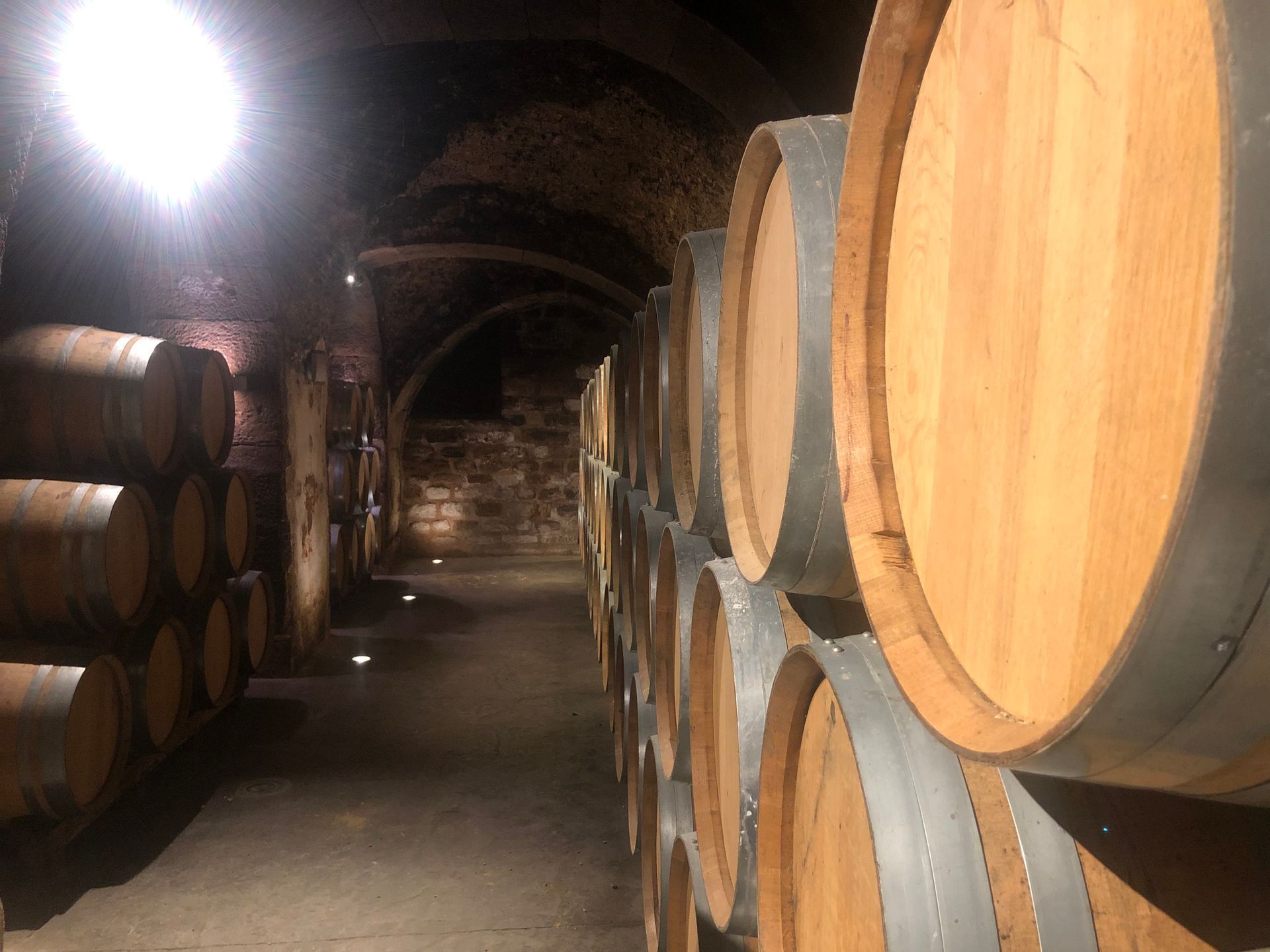
A bottle's place in the hierarchy depended largely on how long it spent ageing before release. Crianza, Reserva and Gran Reserva became the language of Spanish wine, offering consumers a simple way to understand quality and style.
It was a system that worked. Rioja built an international reputation on it. Ribera del Duero followed a similar path. Consumers learned to trust the categories, and for decades they provided a reliable guide to what was in the bottle.
But something has changed.
Some of Spain's most exciting wines today don't fit neatly into those classifications. They may spend years ageing before release. They may still see oak. Yet the producers behind them are increasingly focused on a different question:
How do I best express this vineyard?
That shift - from ageing to origin - may be the most important story in modern Spanish wine.
A system built around oak
Spain's classification system developed very differently from those of Burgundy, Barolo or the Mosel.
In Burgundy, the vineyard comes first. The label tells you where the wine comes from, and everything else follows. In Spain, the emphasis was traditionally on what happened after harvest.
How long was it aged?
How much time did it spend in barrel?
Was it a Crianza, Reserva or Gran Reserva?
The approach made sense. Oak ageing provided consistency and gave consumers confidence. It also helped establish the reputation of regions such as Rioja in export markets at a time when vineyard sites were rarely discussed outside specialist circles.
Over time, however, the limitations of the system became more apparent.
A Crianza tells you how a wine was aged. It tells you very little about where it was grown.
The rise of place
Over the last two decades, Spanish wine has become increasingly obsessed with origin.
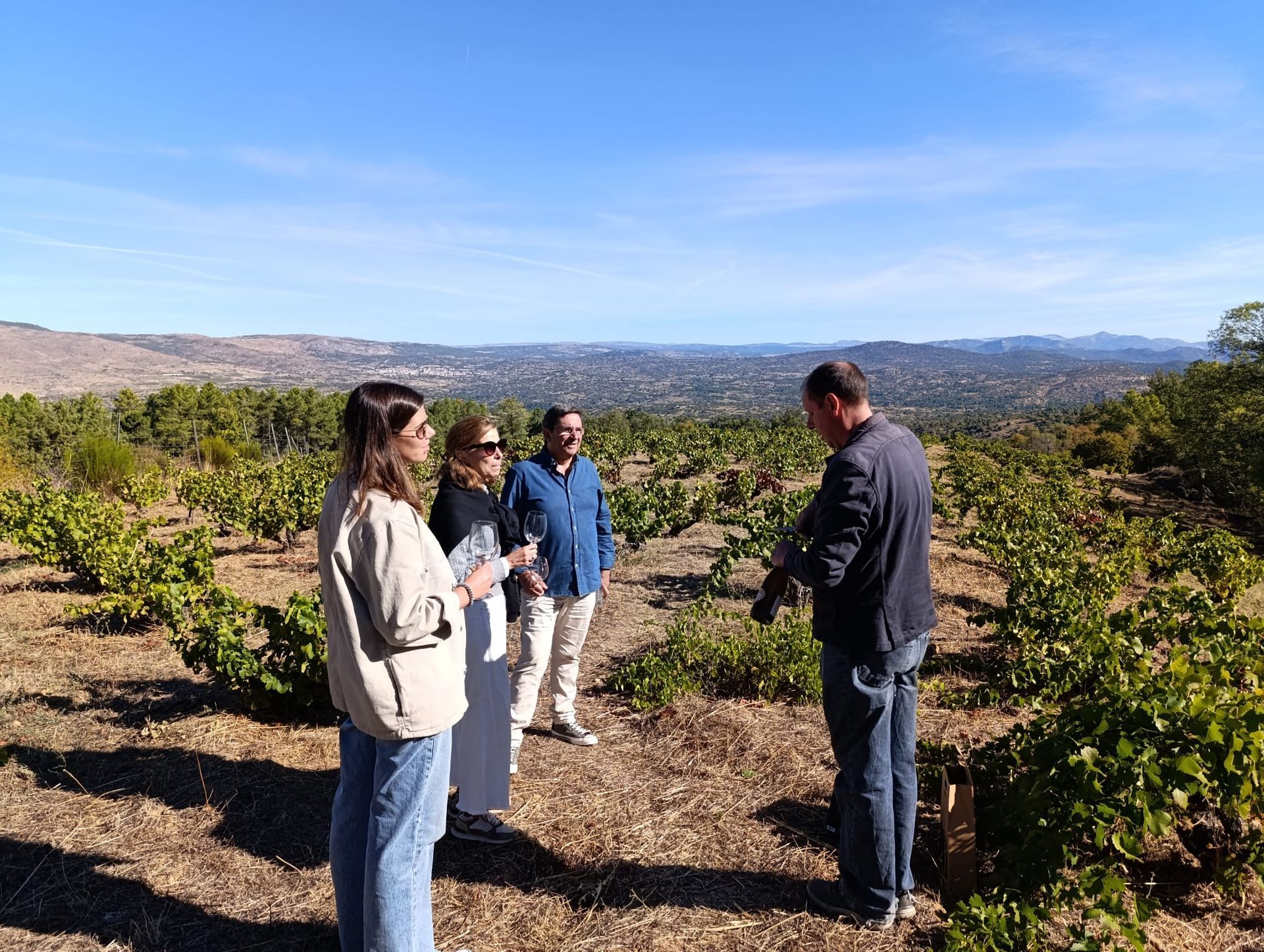
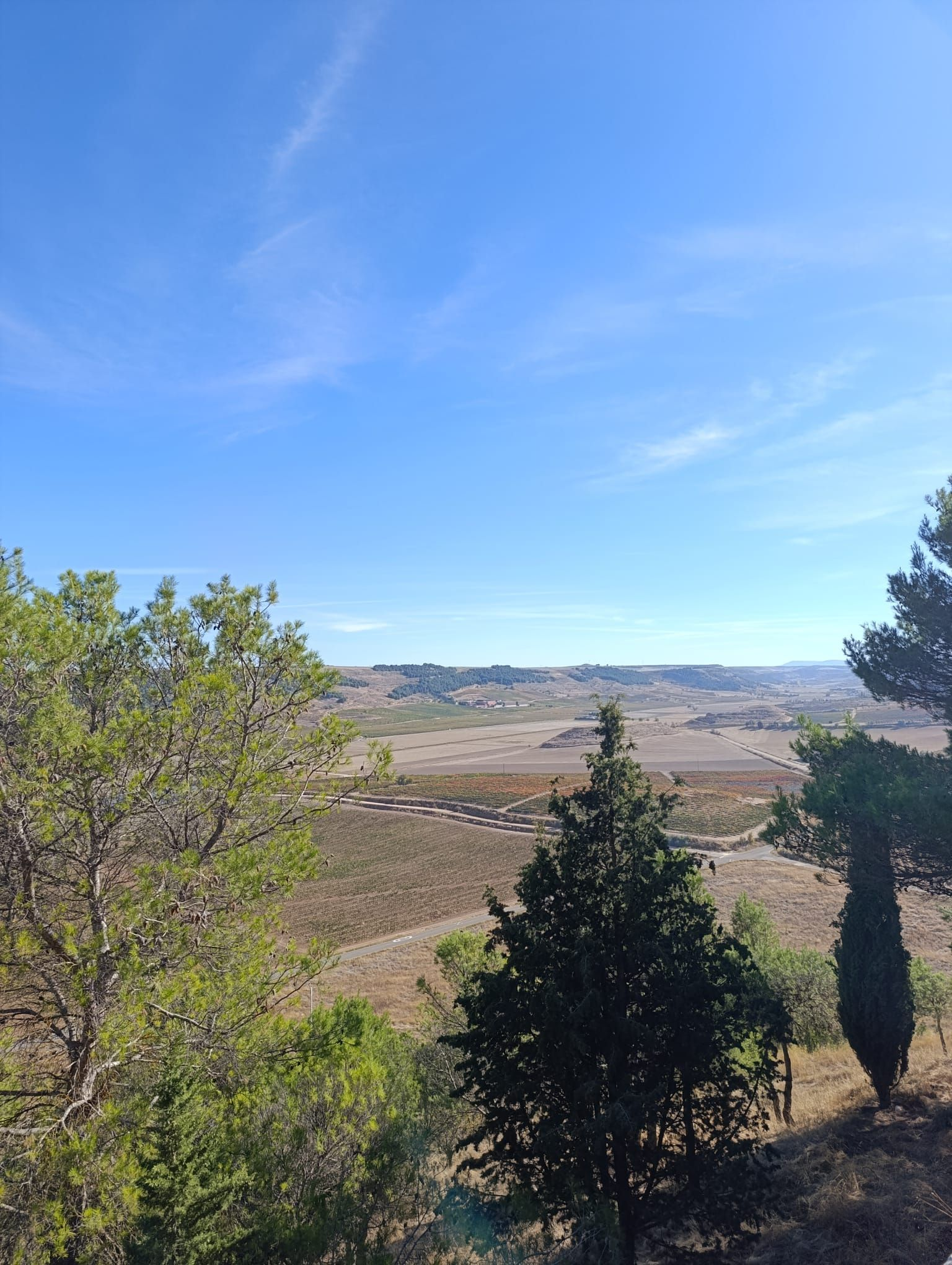
Winemakers are paying closer attention to old vineyards, altitude, exposure, soil type and historical sites. Conversations that once centred on barrels and ageing categories now focus on villages, slopes and individual plots.
This movement first gained momentum in regions such as Priorat, Bierzo, Gredos and Ribeira Sacra, where producers demonstrated that site could be just as important as grape variety.
The influence has spread everywhere.
In Rioja, producers increasingly talk about Labastida, San Vicente de la Sonsierra, Ábalos and the Sierra de Yerga. In Ribera del Duero, distinctions between villages and subzones are becoming more relevant than ever. Consumers who once asked whether a wine was Crianza or Reserva are increasingly asking where the grapes came from.
That is a profound change in the way Spanish wine is understood.
When the rules no longer fit
The challenge is that many ageing regulations were designed around a very specific style of wine.
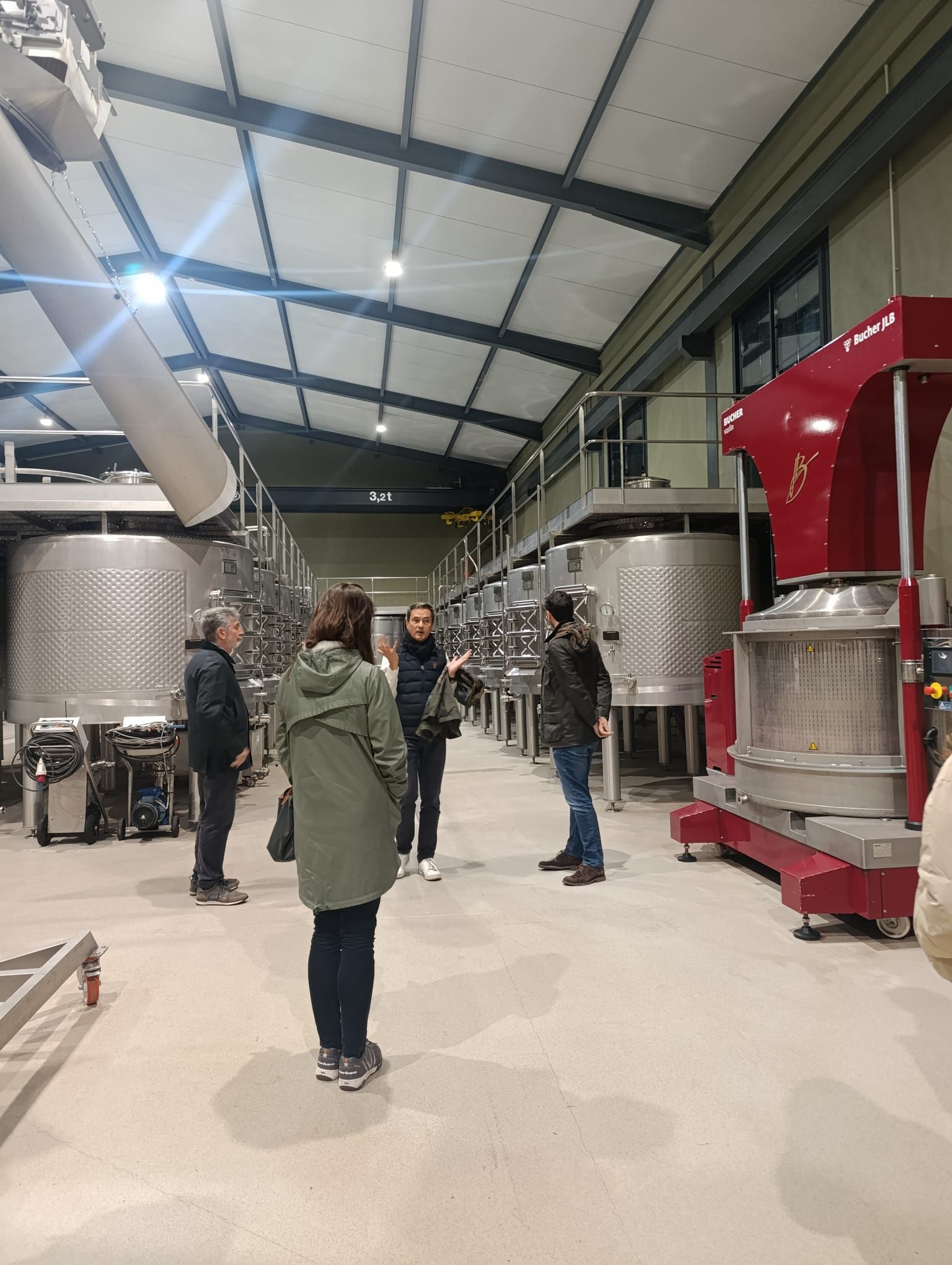
In Rioja, wines qualifying for Crianza, Reserva and Gran Reserva must be aged in oak barrels with a maximum capacity of 225 litres. Ribera del Duero allows barrels of up to 330 litres.
When these rules were established, the barrique was considered the gold standard. The model worked well for the classic Tempranillo-based wines that defined both regions.
But modern producers have more options at their disposal.
Many now favour larger oak vessels, including 500-litre barrels, 600-litre demi-muids and large foudres. Others incorporate concrete tanks or amphorae into their ageing programmes.
The goal is not to avoid oak.
The goal is to prevent oak from dominating the wine.
A larger vessel allows slower maturation with less direct wood influence, helping preserve texture, freshness and site expression. For a producer working with an exceptional vineyard, that can be far more important than satisfying a traditional ageing category.
As a result, some of the most ambitious wines in Spain are now released outside the classifications that once defined quality.
Beyond Tempranillo
Another reason for this shift is the growing focus on grape varieties beyond Tempranillo.
The traditional ageing system evolved around varieties that respond well to extended oak maturation. Tempranillo has always had a remarkable affinity for oak, whether in the traditional American-oak style of Rioja or the more modern French-oak approach adopted by many producers today.
Not every variety behaves in the same way.
Take Garnacha.
Across Rioja, old-vine Garnacha is enjoying a remarkable resurgence. Producers are rediscovering vineyards that were once overlooked in favour of Tempranillo, particularly at higher elevations where freshness and elegance come naturally.
The challenge is that Garnacha's greatest strengths - its vibrant red fruit, floral aromatics and spice – can easily be overshadowed by excessive oak influence.
Many winemakers have therefore moved towards larger barrels and foudres that allow the wine to evolve while preserving its primary character. The objective is not to taste oak. It is to taste Garnacha.
The same philosophy applies to many of Spain's lesser-known indigenous varieties.
Maturana Tinta, one of Rioja's oldest native grapes, produces wines with a distinctive personality that can quickly disappear beneath heavy oak treatment. Producers such as Casa Primicia have recognised this. Their wine Pensante, produced from a tiny parcel of Maturana, is aged in large oak foudres rather than traditional barriques, allowing the grape variety itself to take centre stage.
It is a small example of a much larger trend.
Increasingly, producers are choosing ageing vessels according to the needs of the vineyard and the variety, rather than according to a predefined category.
Rioja's quiet revolution
Perhaps nowhere is this evolution more evident than in Rioja itself.
For generations, the region's hierarchy was built around Crianza, Reserva and Gran Reserva. Yet many of the wines attracting the greatest attention today are vineyard-focused bottlings where place takes precedence over ageing classification.
The introduction of Viñedo Singular, along with the Vino de Municipio and Vino de Zona categories, reflected a growing recognition that origin matters.
This was more than a regulatory update.
It represented a philosophical shift.
For the first time, Rioja formally acknowledged what many producers had been arguing for years: that where a wine comes from can be just as important as how long it spends in oak.
A broader definition of quality
None of this means that Crianza, Reserva and Gran Reserva have become irrelevant.
Spain continues to produce some of the world's finest traditionally aged wines, and many of them remain benchmarks for quality.
What has changed is the definition of quality itself.
Increasingly, quality is measured not simply by time spent in barrel but by a wine's ability to express a particular place, vineyard or variety.
The finest wines may still spend years ageing before release. They may still mature in oak. But ageing has become a tool rather than the defining feature.
The objective is no longer to conform to a category.
The objective is to reveal a landscape.
The future of Spanish wine
Spain is not abandoning its traditions. Far from it.
The country's ageing classifications remain an important part of its identity and continue to provide consumers with a useful framework for understanding style.
But they are no longer the only measure of greatness.
A growing number of producers are starting with the vineyard and working backwards, selecting grape varieties, vessels and ageing regimes according to what best serves the wine in front of them.
Sometimes that means a Crianza.
Sometimes it means a Reserva.
And sometimes it means stepping outside the system altogether.
In the end, the most exciting wines coming out of Spain today share one common goal: not to showcase oak, but to express a place.
After decades of defining wine by time, Spain is rediscovering the importance of origin.
And that's a story worth raising a glass to.