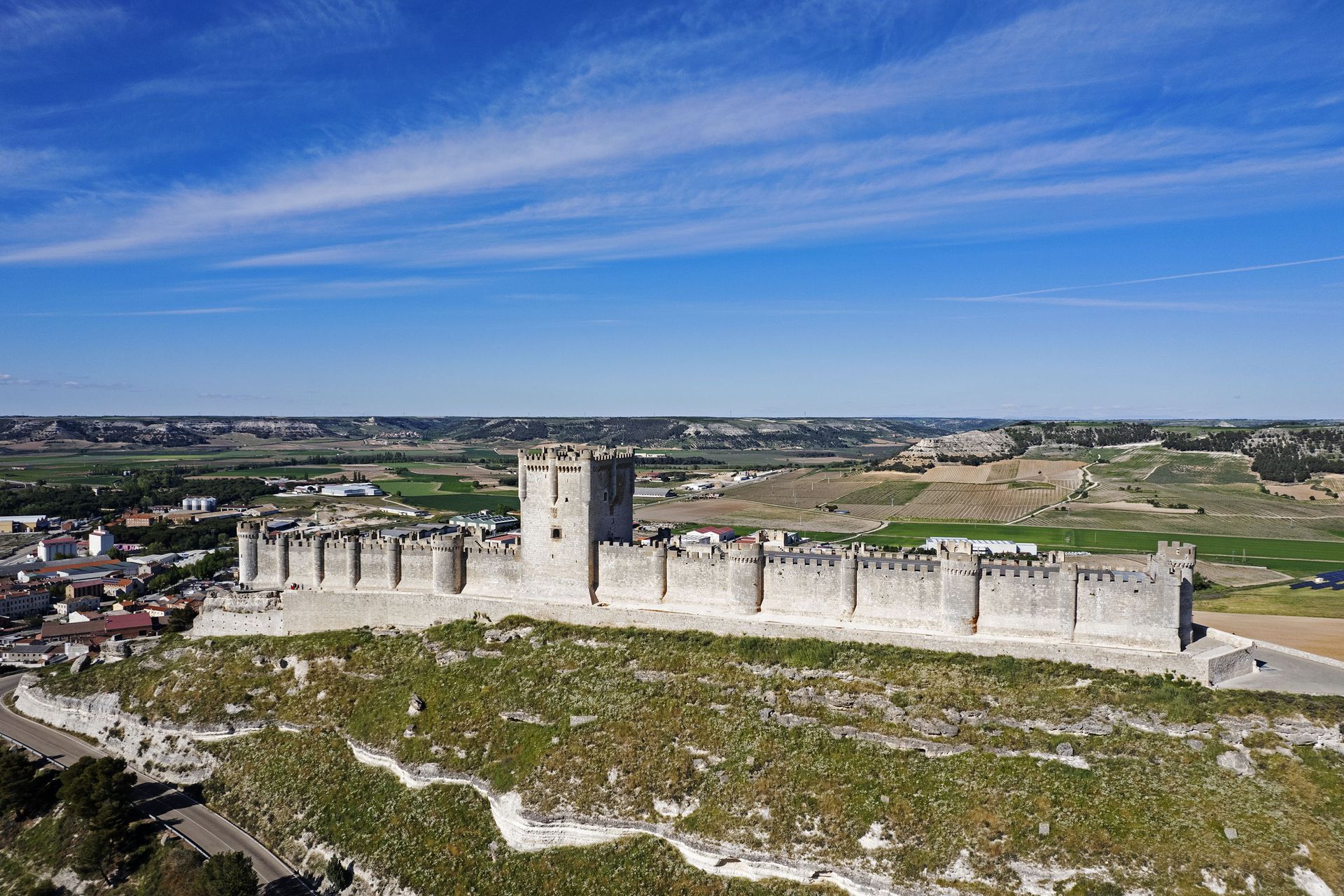
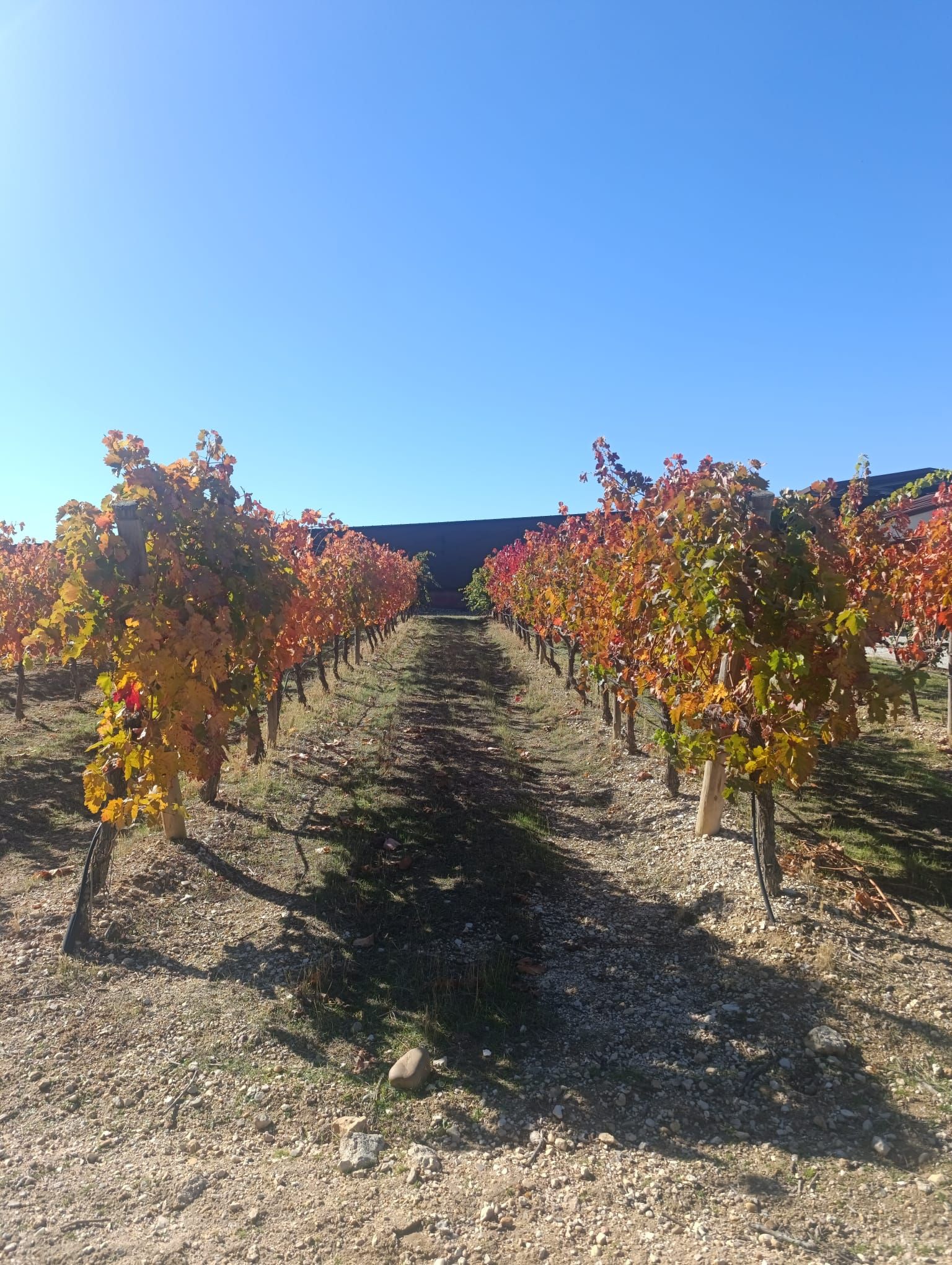
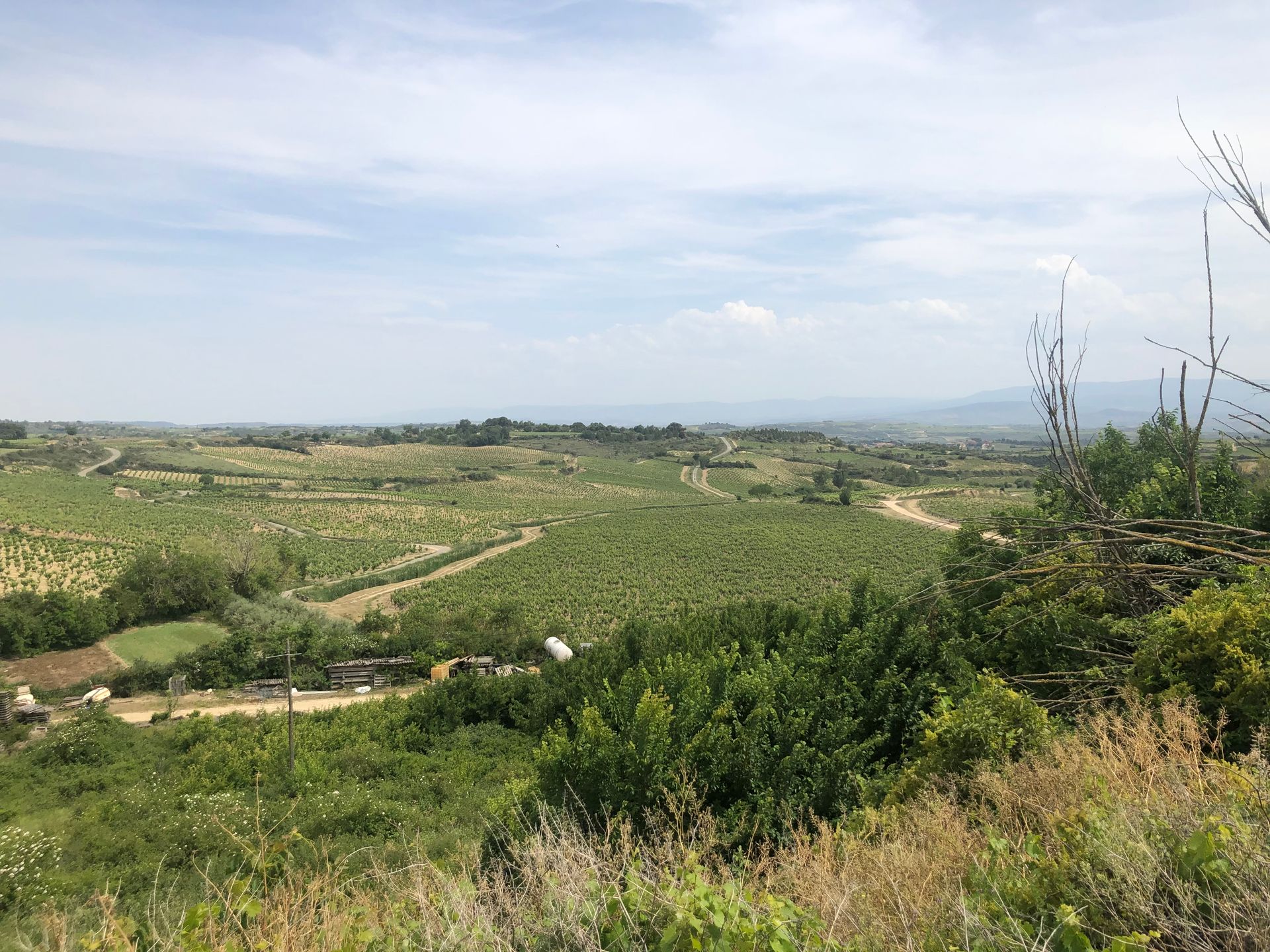
For a region now considered one of the great names in Spanish wine, it’s actually incredibly young... at least officially. The DO was only founded in 1982.
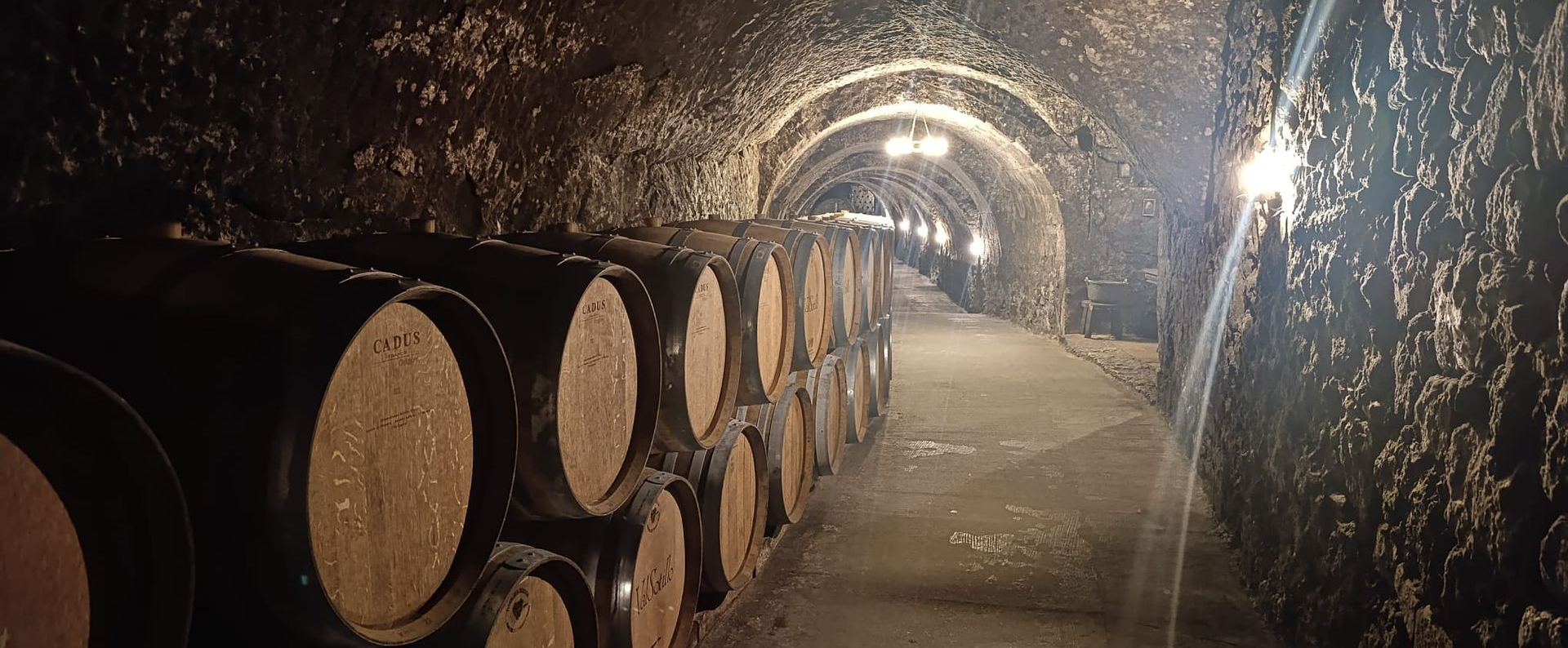
That surprises a lot of people. Especially when you stand in a Ribera village surrounded by underground cellars carved into the rock centuries ago, or when you realise people have been making wine here since Roman times.
So what exactly is “the new Ribera del Duero”?
To understand that, you first have to understand the old Ribera.
Ribera Before the DO
Long before there was a regulatory council, glossy tasting rooms, or £200 bottles on restaurant lists in London and New York, Ribera was a hard agricultural region on the high Castilian plateau.
People here made wine because that’s what villages did.
Not luxury wine. Not “fine wine”. Just wine.
Families dug underground bodegas into hillsides to survive the extreme climate: brutal winters, scorching summers, and huge swings between day and night temperatures. Those old underground tunnels still exist today in towns like Aranda del Duero and Peñafiel.
The great exception was Vega Sicilia.
Founded in 1864, Vega Sicilia was producing world-class wines long before Ribera del Duero officially existed as a DO. It planted Bordeaux varieties alongside Tempranillo and became the region’s first internationally recognised fine wine estate.
But outside a handful of producers, Ribera was still largely unknown internationally. Rioja dominated the conversation. Ribera remained rural, fragmented, and local.
The Founding of Ribera del Duero
Everything changed in the late 1970s.
A small group of growers and wineries believed the region deserved official recognition. Key figures behind the movement included Jesús Anadón, former manager of Vega Sicilia, and Pablo Peñalba of Torremilanos, alongside important historic growers such as Ismael Arroyo (Bodegas Valsotillo), who was directly involved in the early push that led to the creation of the DO.
In 1982, Ribera del Duero officially became a Denominación de Origen.
At the beginning, the DO was tiny. Just a small group of wineries and growers convinced they could build something important.
Then came the first great stylistic explosion.
Tinto Pesquera, led by Alejandro Fernández, became one of the defining forces of the then-new Ribera era. Working almost exclusively with 100% Tempranillo (Tinto Fino), he helped shape the bold, ripe, oak-driven style that would put Ribera del Duero on the global wine map during the 1980s and 1990s. Alongside other early pioneers, this generation defined what the world came to recognise as “classic Ribera”.
The Rise of the Powerful Ribera Style
The 1980s and 1990s transformed Ribera del Duero into one of Spain’s great success stories.
Producers like Tinto Pesquera helped define the modern Ribera style:
- ripe Tempranillo
- lots of oak
- concentration
- extraction
- powerful structure
These were wines made to impress. Big colour, big fruit, big scores. For a while, Ribera almost became synonymous with power. And commercially, it worked brilliantly.
But Ribera Is Changing Again
Now we arrive at what many people call “the new Ribera del Duero”.
The younger generation of winemakers - and increasingly even established producers - are moving away from sheer power and heavy oak.
Instead, the focus is shifting towards:
- freshness
- altitude
- limestone soils
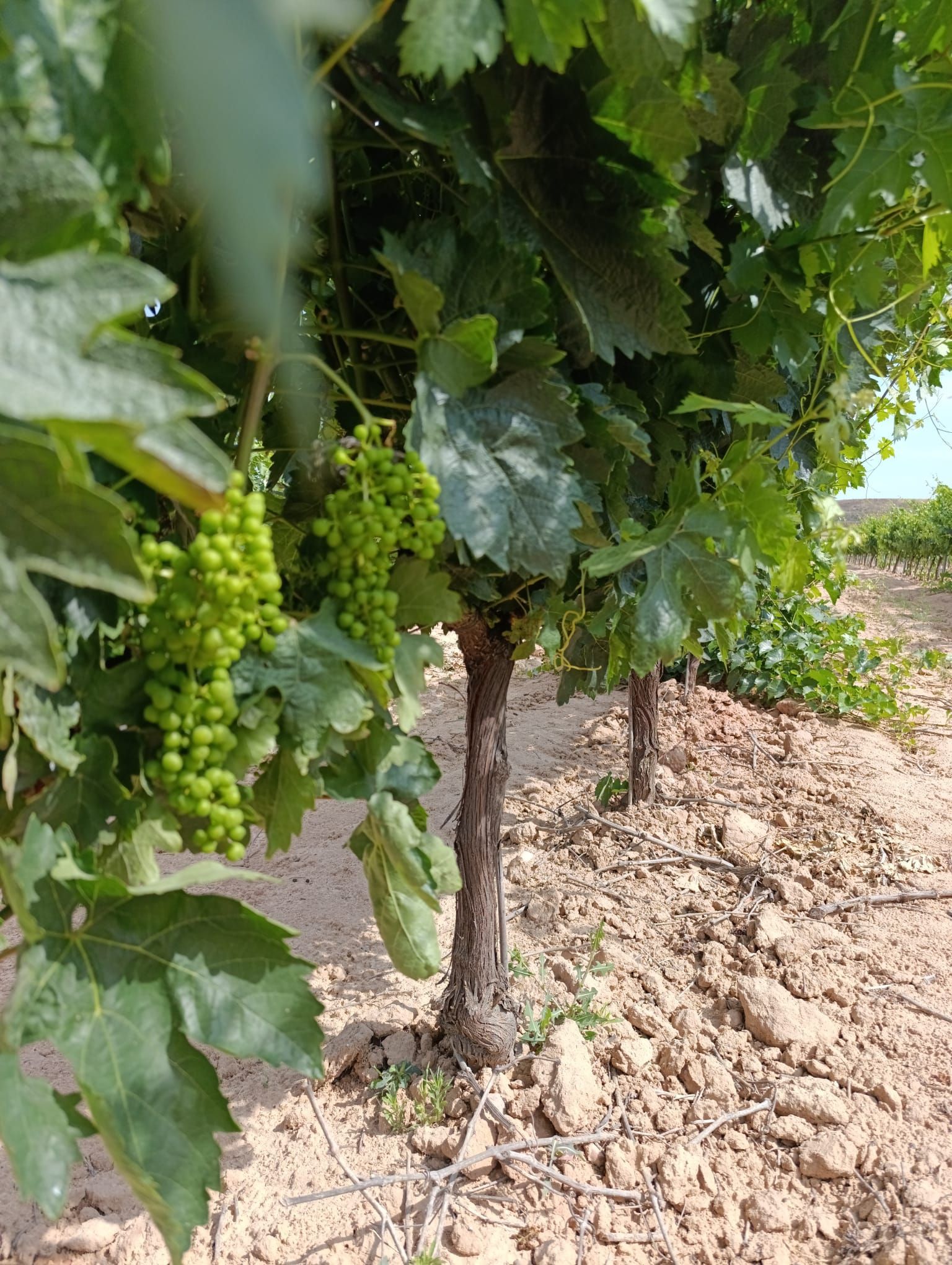
- old vineyards
- village identity
- elegance over extraction
- balance over muscle
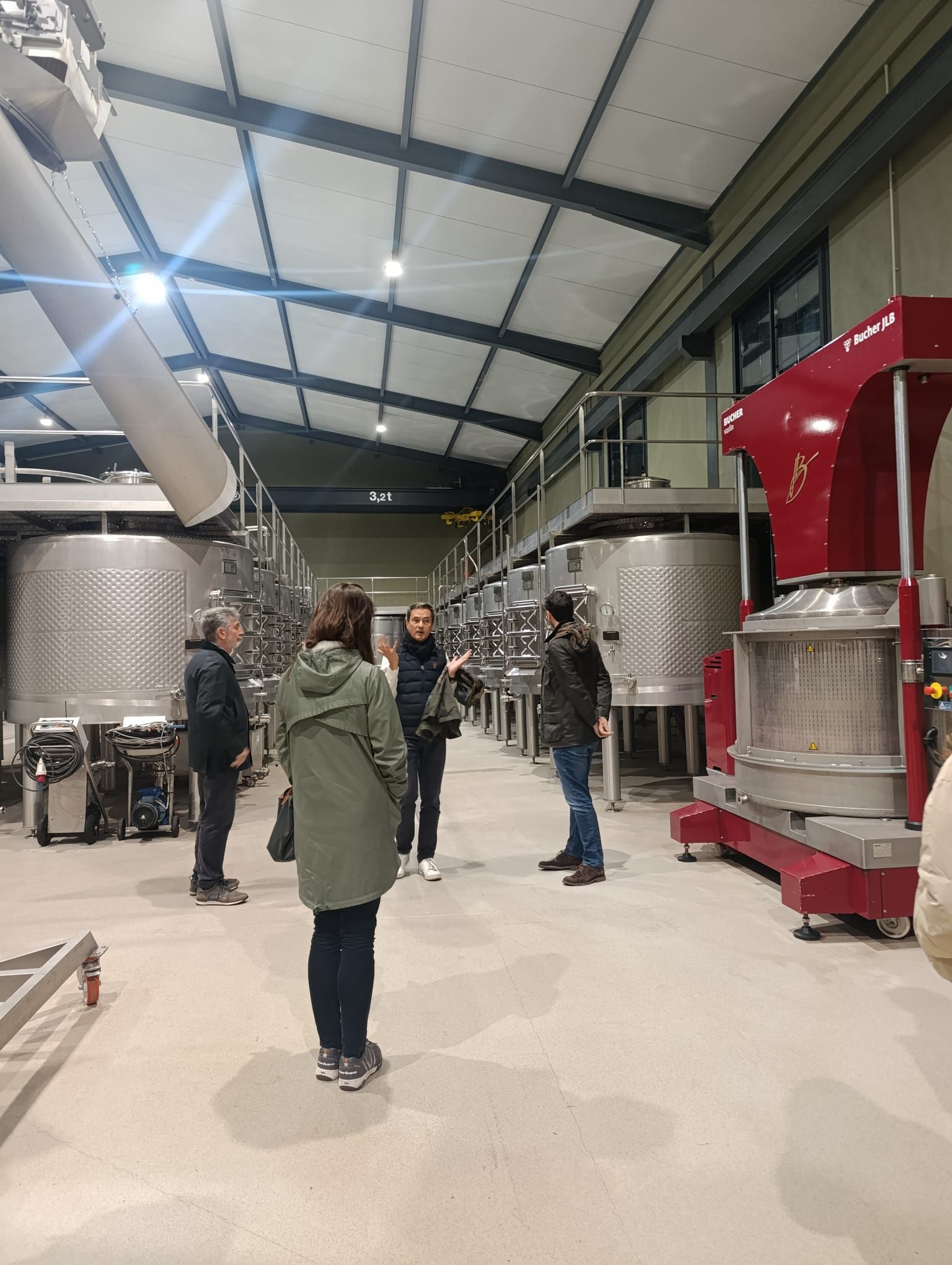
You see more concrete tanks, larger oak foudres, amphora, native yeasts, and earlier harvesting.
The goal now is often precision rather than sheer weight.
In many ways, Ribera is rediscovering itself.
And what’s fascinating is that both worlds still coexist. You can still drink the classic rich, structured, oak-driven Ribera style. But you can also find wines that are floral, mineral, lifted, and surprisingly delicate.
That tension between tradition and reinvention is exactly what makes the region so exciting today.
Experiencing Ribera del Duero on a Wine Tour
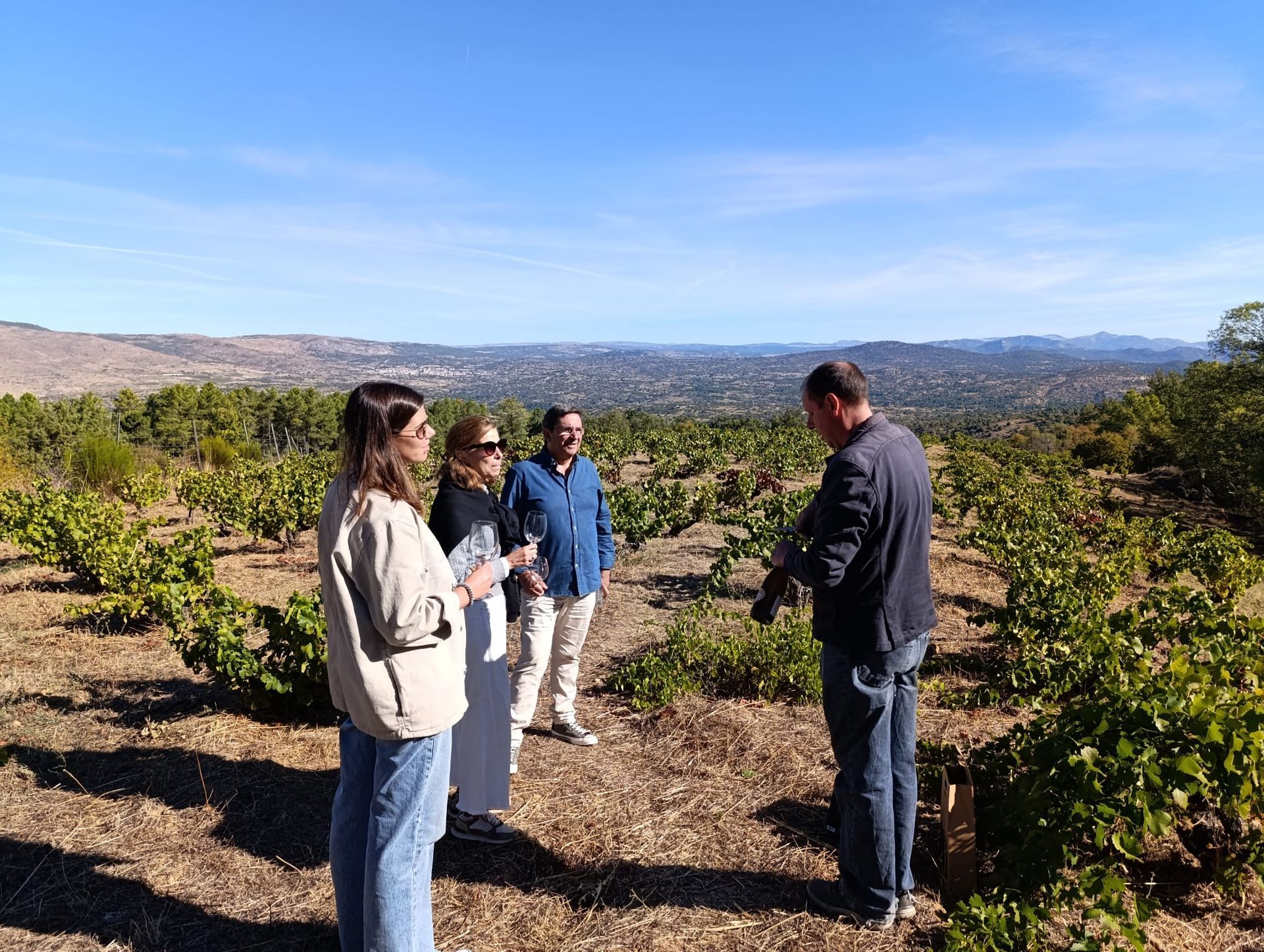
One of the best things about visiting Ribera del Duero is that you can actually experience this evolution in real time.
On a single wine tour, you might:
- walk through centuries-old underground tunnels beneath medieval villages
- taste traditional oak-aged Ribera wines
- and visit modern producers focused on terroir, old vines, and fresher styles
And yes, it’s still possible to visit historic estates that helped shape the region.
Bodegas Ismael Arroyo (Valsotillo) is one of those rare examples. Still family-run today, it remains deeply authentic and rooted in traditional winemaking, and can be visited as part of wine tours for those who want to see a more original, underground Ribera still very much alive.
That’s what makes Ribera del Duero such a fascinating region to explore.
You don’t just taste wine here. You taste the evolution of Spanish wine itself.
Want to visit yourself? Look at our three-winery & lunch tour for a full immersion or something a little less intense with our two-winery tour.