When did travelling become so exhausting?
At some point, holidays turned into projects. There are spreadsheets, colour-coded maps, restaurant reservations made six months in advance, and an unspoken competition to see the most things in the least amount of time. Three cities in five days. Twenty landmarks before lunch. A camera roll full of places you barely had time to experience.
The modern traveller has become remarkably efficient at collecting destinations.
And perhaps remarkably bad at actually being in them.
That's why the idea of slow travel has found so many converts in recent years. Not because people suddenly dislike adventure, but because they're beginning to value something that has become surprisingly rare: time.
Time to sit in a café without checking what's next on the itinerary. Time to get lost down a side street. Time to have a conversation that wasn't planned.
Time to stay put.
If you think about it, wine tourism might be one of the purest forms of slow travel that exists.
Nobody visits a vineyard in a hurry.
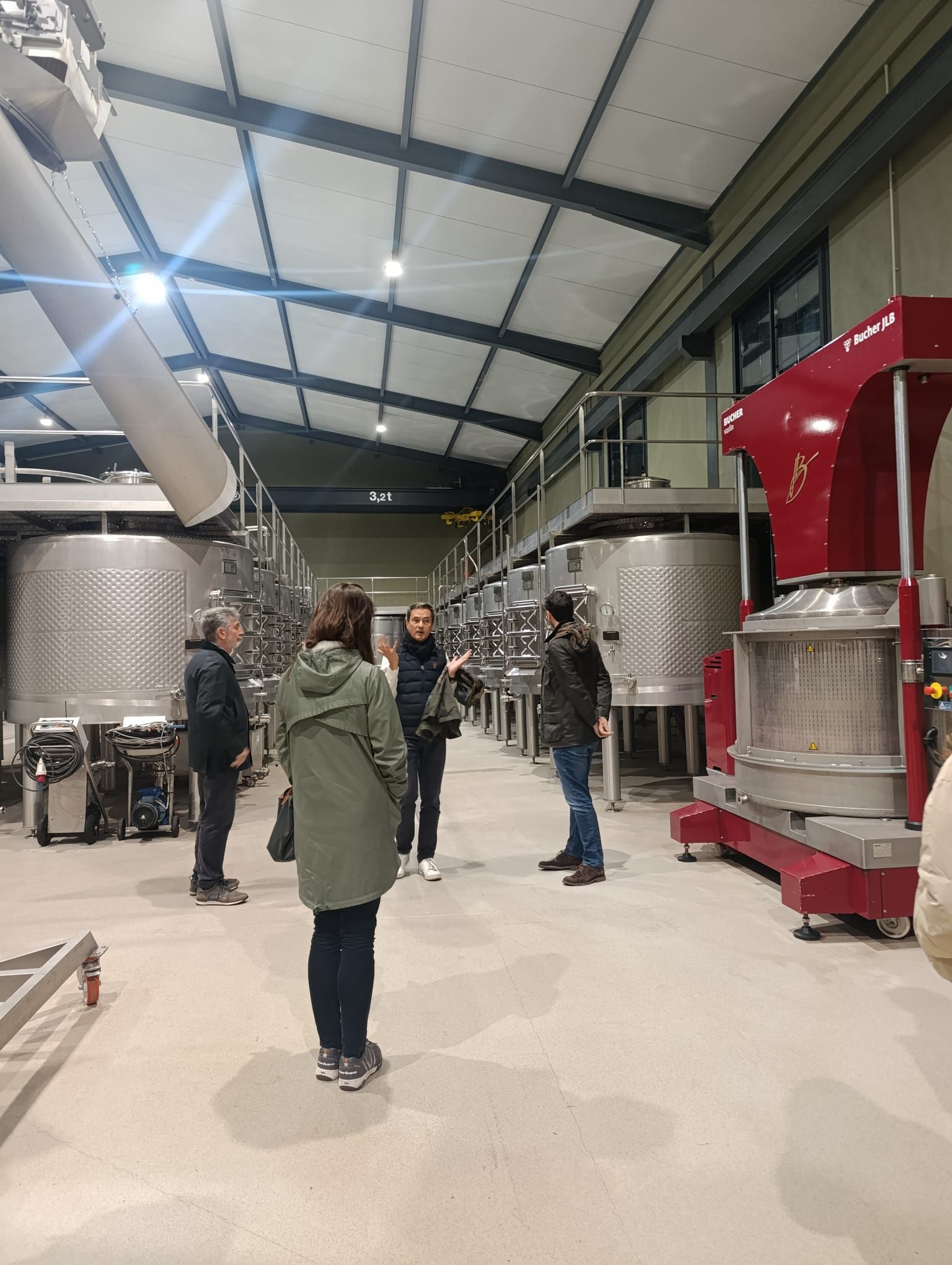
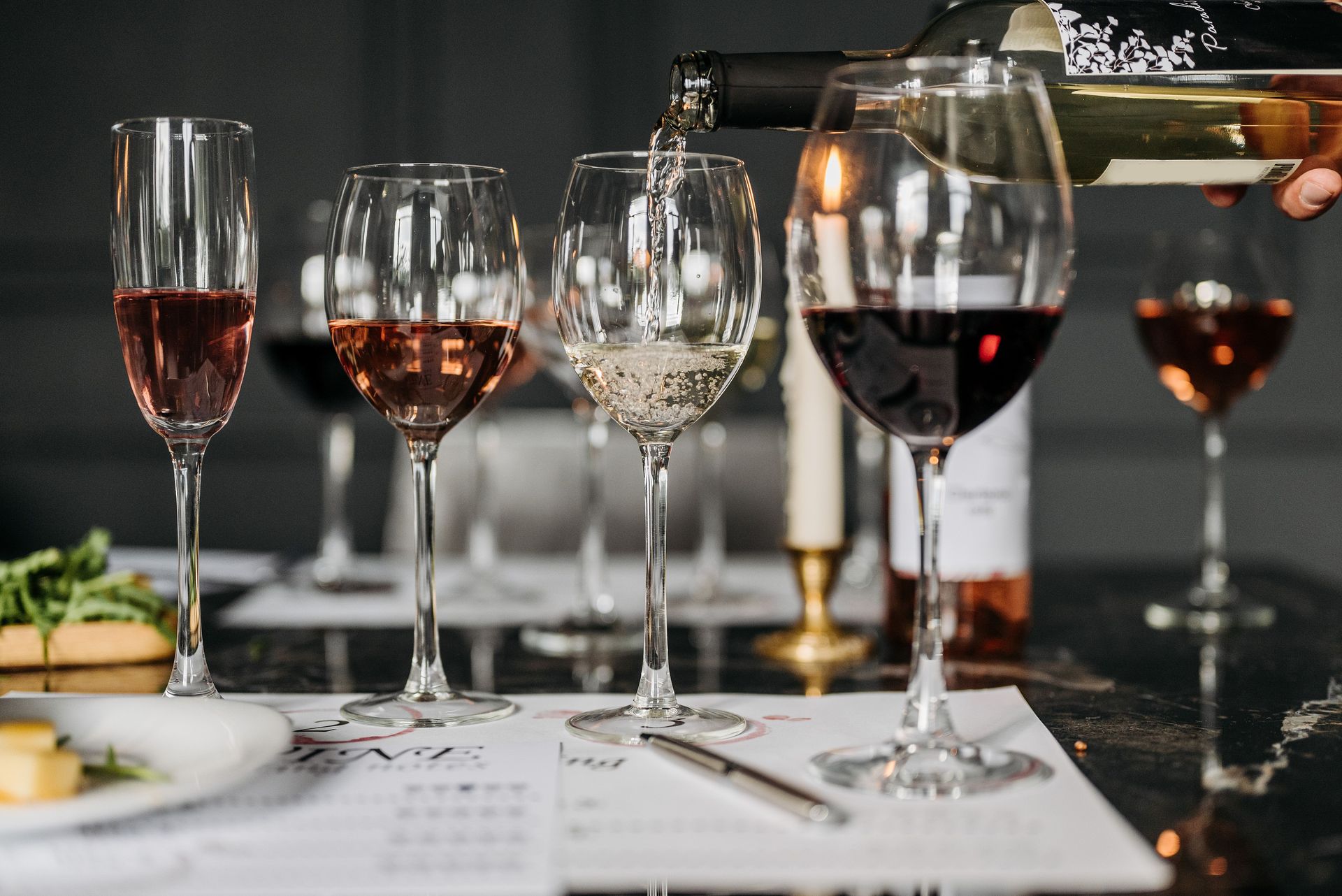
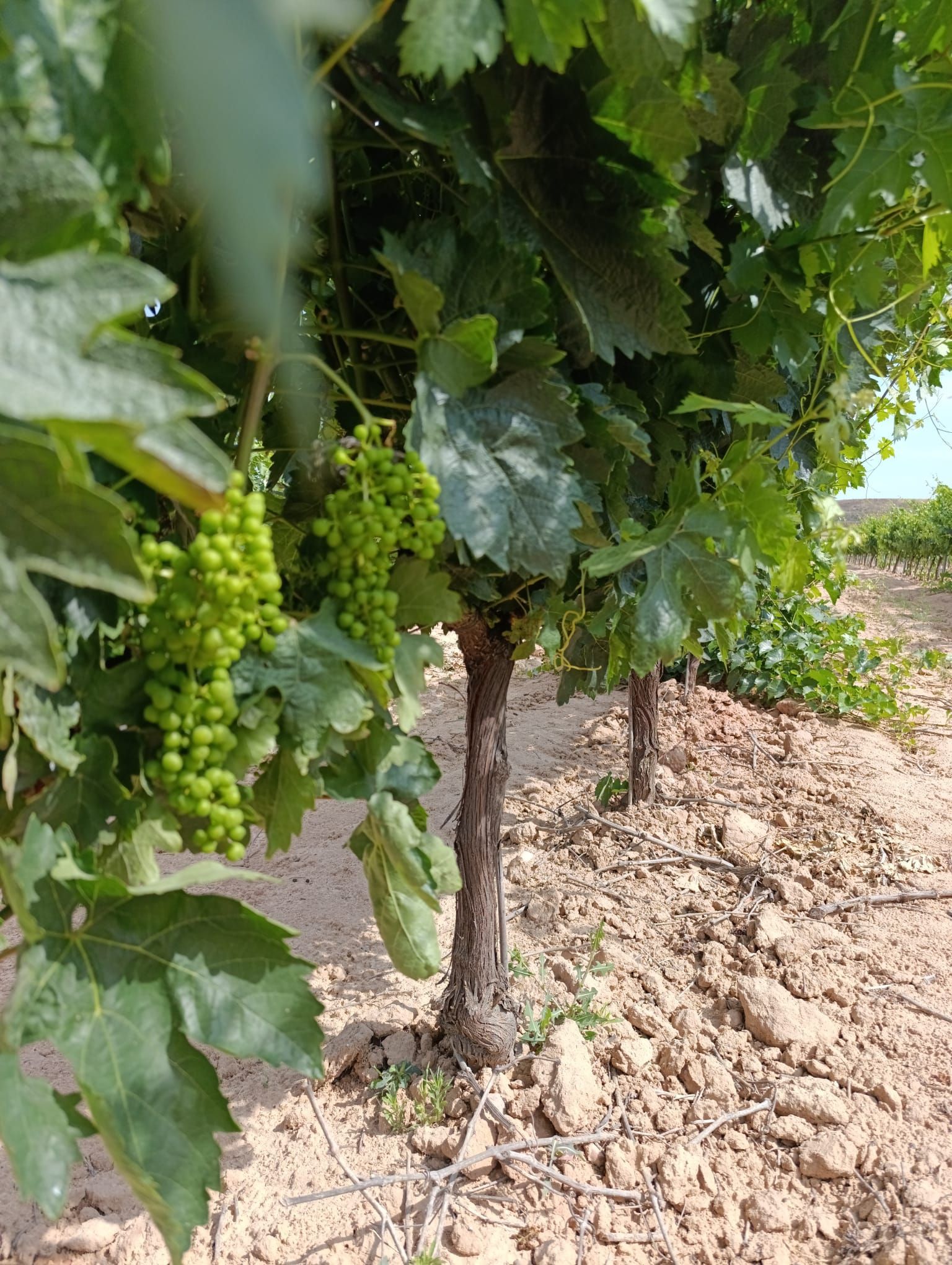
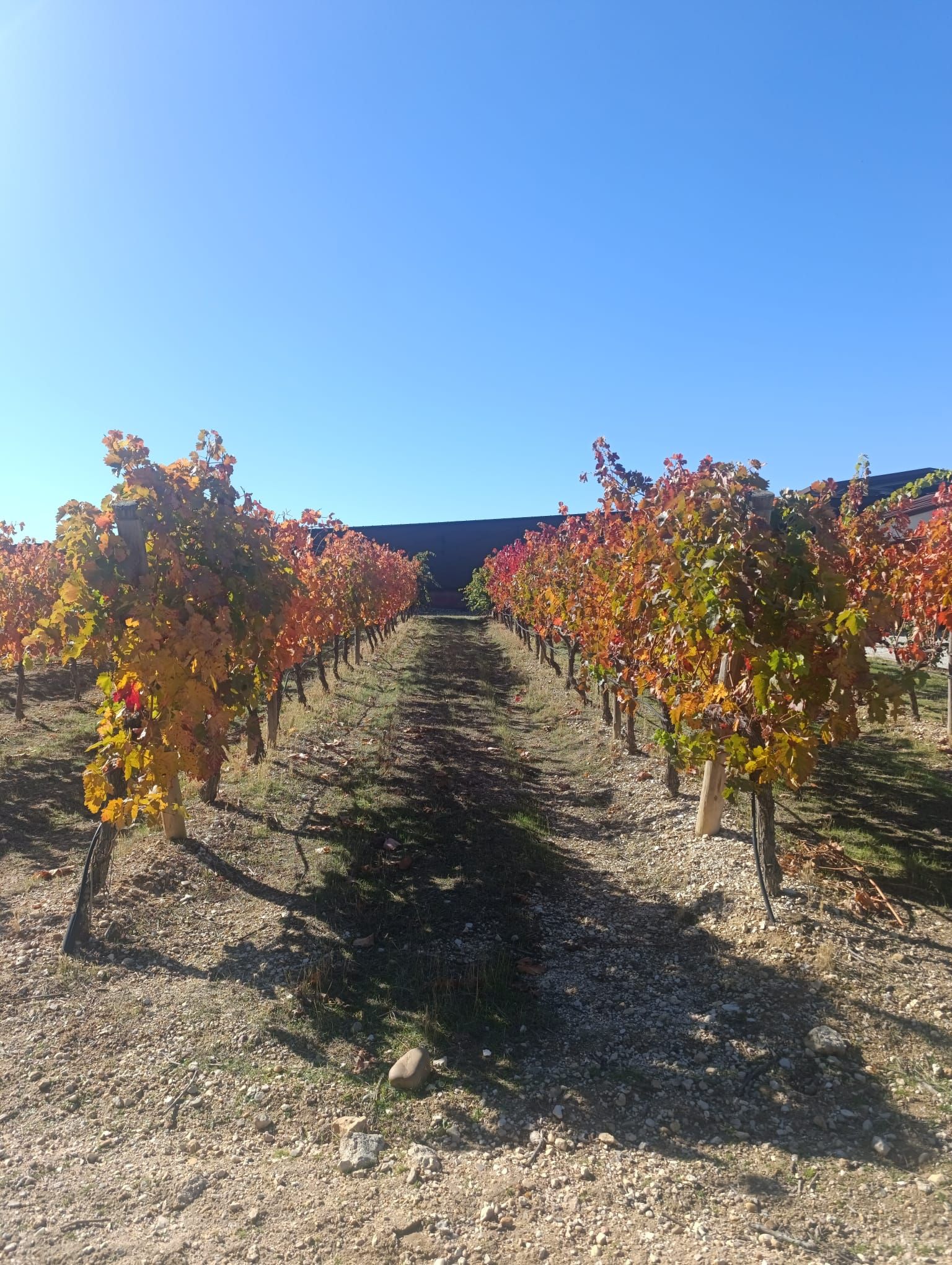
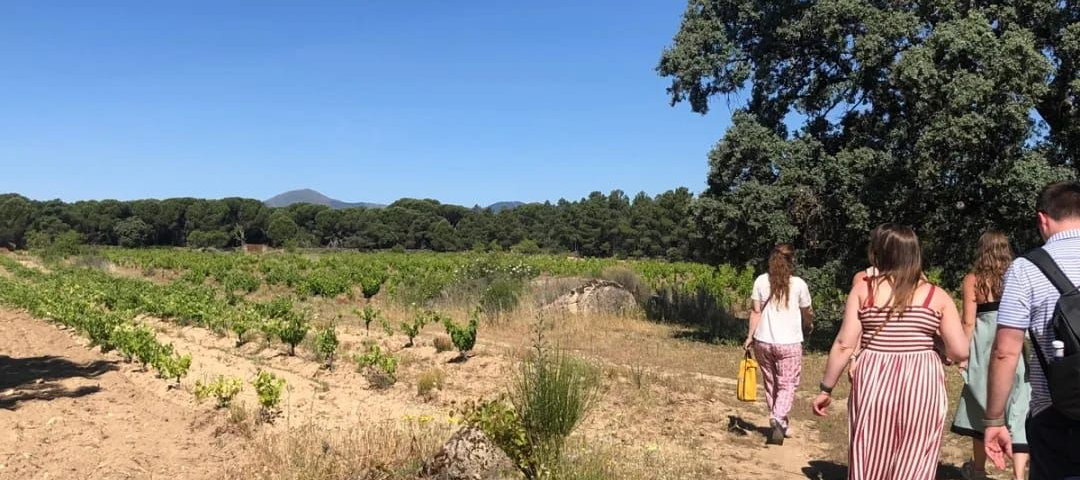
A winery visit asks something unusual of modern tourists: your attention. You walk through vines that have often existed longer than you've been alive. You listen to stories that cannot be condensed into a thirty-second reel. You sit down at a table and taste something that represents an entire year of weather, decisions and patience.
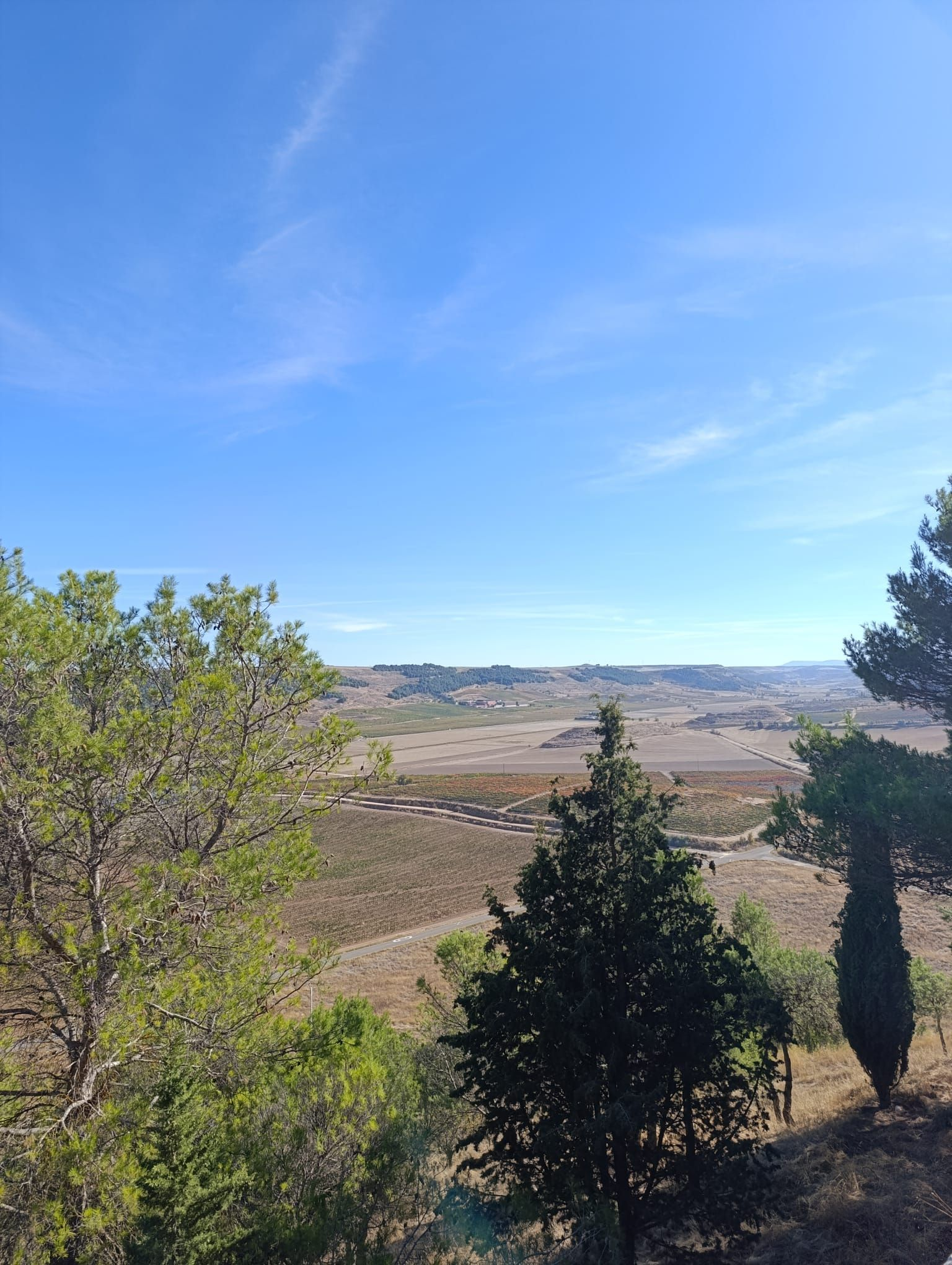
Wine, perhaps more than anything else we consume, is a product of place. The French have a word for it - terroir - but every wine-producing culture understands the idea. The landscape matters. The climate matters. The people matter. Remove any of them and the wine becomes something entirely different.
The same could probably be said for travel itself.
The best journeys are rarely about how much ground we cover. They're about understanding where we are.
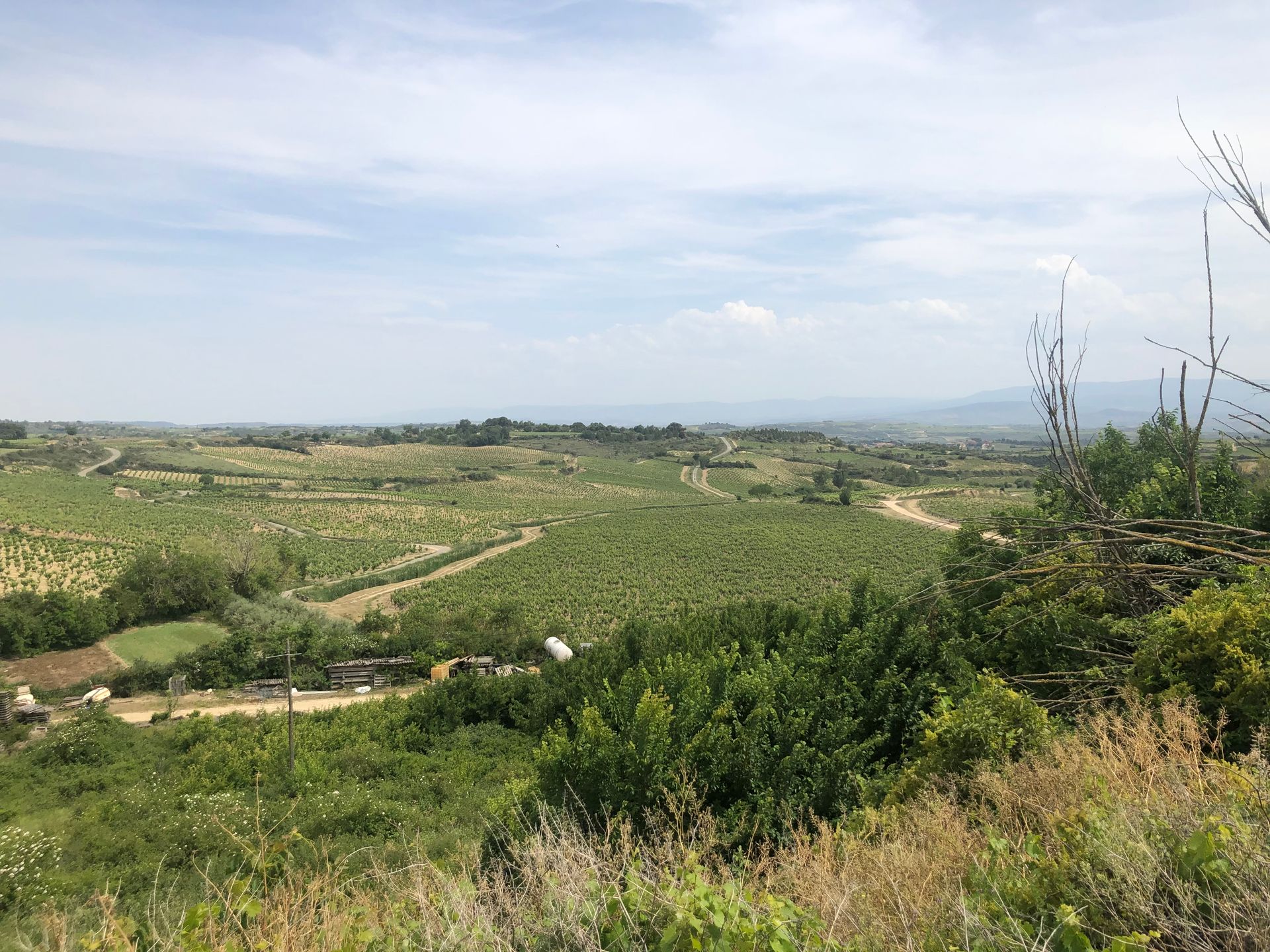
You can spend a day in Ribera del Duero and learn about the harsh continental climate that forces vines to survive freezing winters and scorching summers. You can walk through the granite soils of Gredos and see why Garnacha grown at altitude tastes so different from the richer expressions found elsewhere in Spain. You can sit with a winemaker in Rueda and discover that what appears to be a simple glass of Verdejo is actually the result of centuries of adaptation to one of Europe's most extreme wine-growing environments.
Those experiences tell you something about Spain that no checklist of monuments ever could.
This shift isn't happening in wine tourism alone. Across the travel industry, travellers are increasingly searching for experiences rather than attractions. The question is changing from "What should I see?" to "What should I understand?"
Wine regions are uniquely positioned to answer that question.
They offer something many of the world's great tourist destinations struggle to preserve: authenticity. People still live and work there. Traditions are maintained not for visitors, but because they remain part of everyday life. The long lunch wasn't invented for Instagram. Harvest festivals existed long before hashtags. Family wineries continue because families still make wine.
Visitors simply have the privilege of joining that world for a little while.
And perhaps that's what slow travel is really about.
Not consuming a destination, but participating in it.
The irony, of course, is that slowing down often allows us to see more. Not more attractions, necessarily, but more meaning. More stories. More understanding of how landscapes shape cultures and how cultures shape the things we eat and drink.
A single afternoon spent talking with a grower might stay with you longer than a week spent rushing between Europe's most famous landmarks.
That isn't an argument against seeing the world. Quite the opposite. It's an argument for seeing it properly.
The death of tick-box travel doesn't mean abandoning curiosity. It means replacing quantity with depth. Trading speed for connection. Accepting that the best experiences cannot be optimised, only lived.
Wine tourism embodies that philosophy better than almost any other form of travel.
After all, nobody remembers a great bottle because they drank it quickly.
The same, perhaps, should be true of the places we visit.