Wine tastings have a reputation.
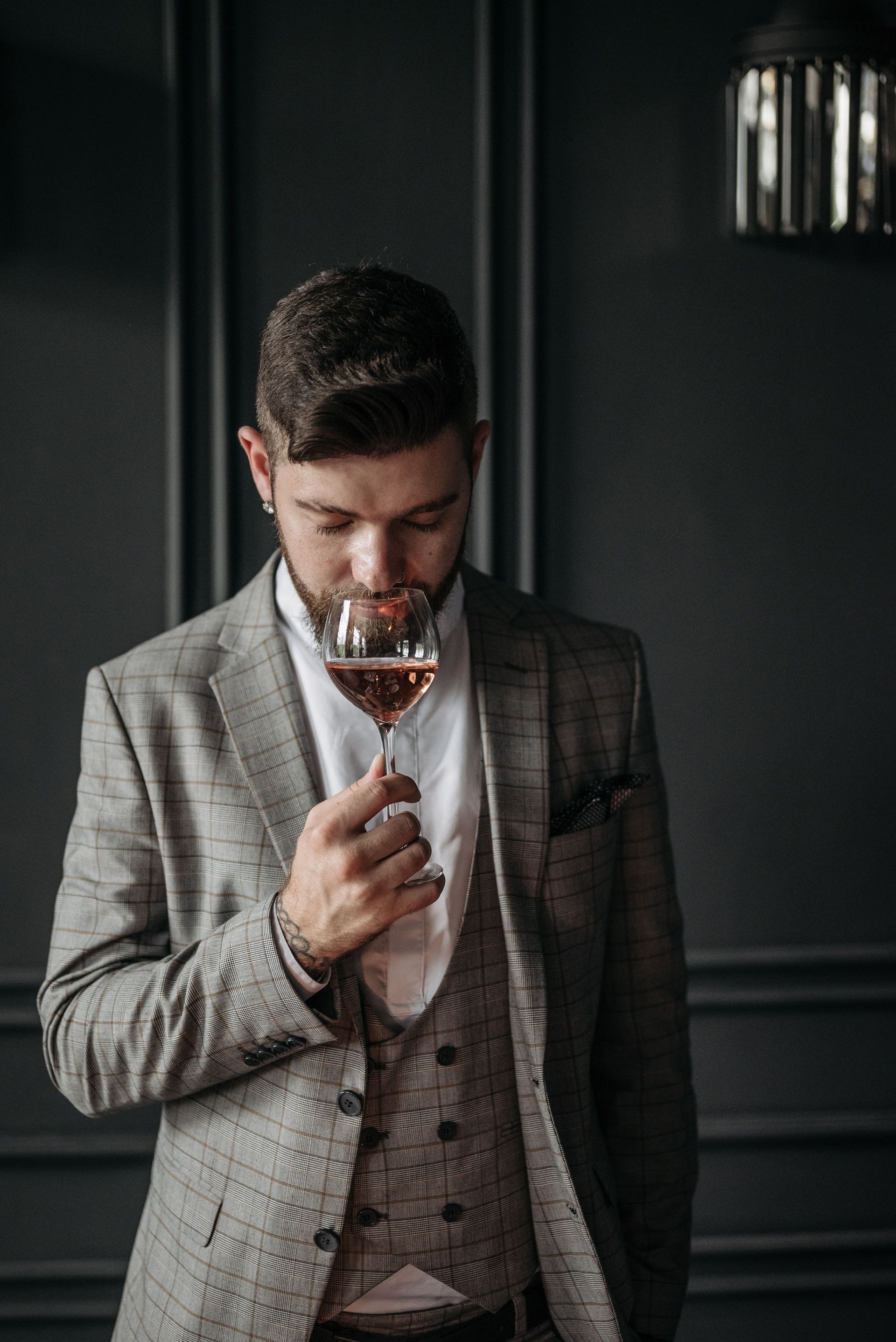
There are the serious faces. The glasses held up to the light. The swirling. The sniffing. The long pause before somebody says something about wet stones.
Then comes the moment when somebody asks what you think.
You look at the wine.
You look at the people around the table.
And suddenly, despite having drunk wine for most of your adult life, you feel like you've accidentally walked into an exam.
Let's get one thing straight. A Spanish wine tasting at home does not need to be like that.
You don't need six different glasses. You don't need to identify seventeen aromas. You don't need to describe a wine as having “the restrained power of a late summer afternoon in the foothills of the Sistema Ibérico”.
You can simply drink the wine, talk about it, and eat something good.
That's the point.
The best wine tastings are not lectures. They are conversations with a bottle in the middle of the table.
And Spanish wine gives you plenty to talk about.
Start with a place
The easiest way to organise a Spanish wine tasting at home is to start with a place.
Not a grape variety. Not a price point. Not whatever bottle happens to be on special offer at the supermarket. A place.
Because Spanish wine is inseparable from geography.
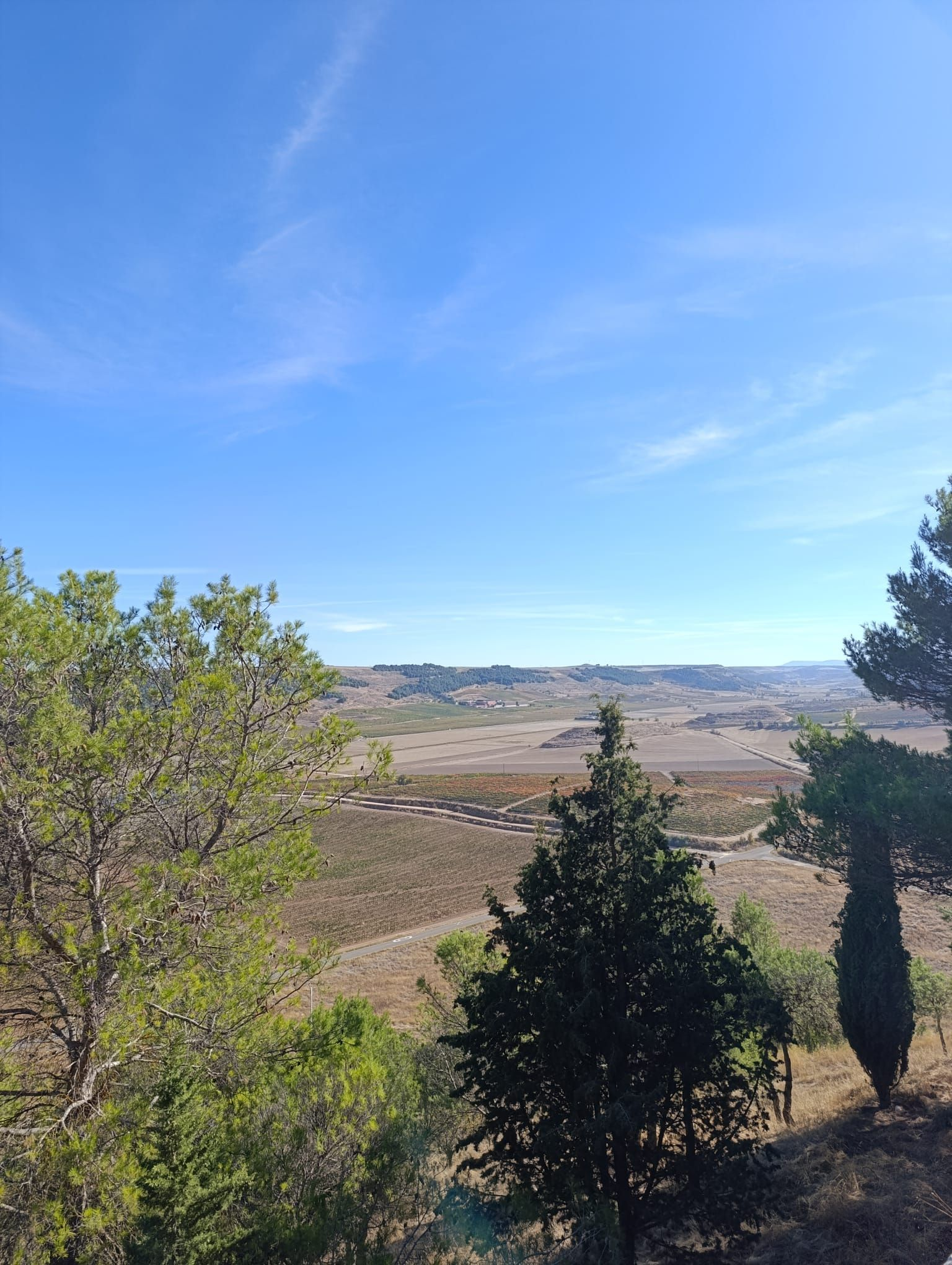
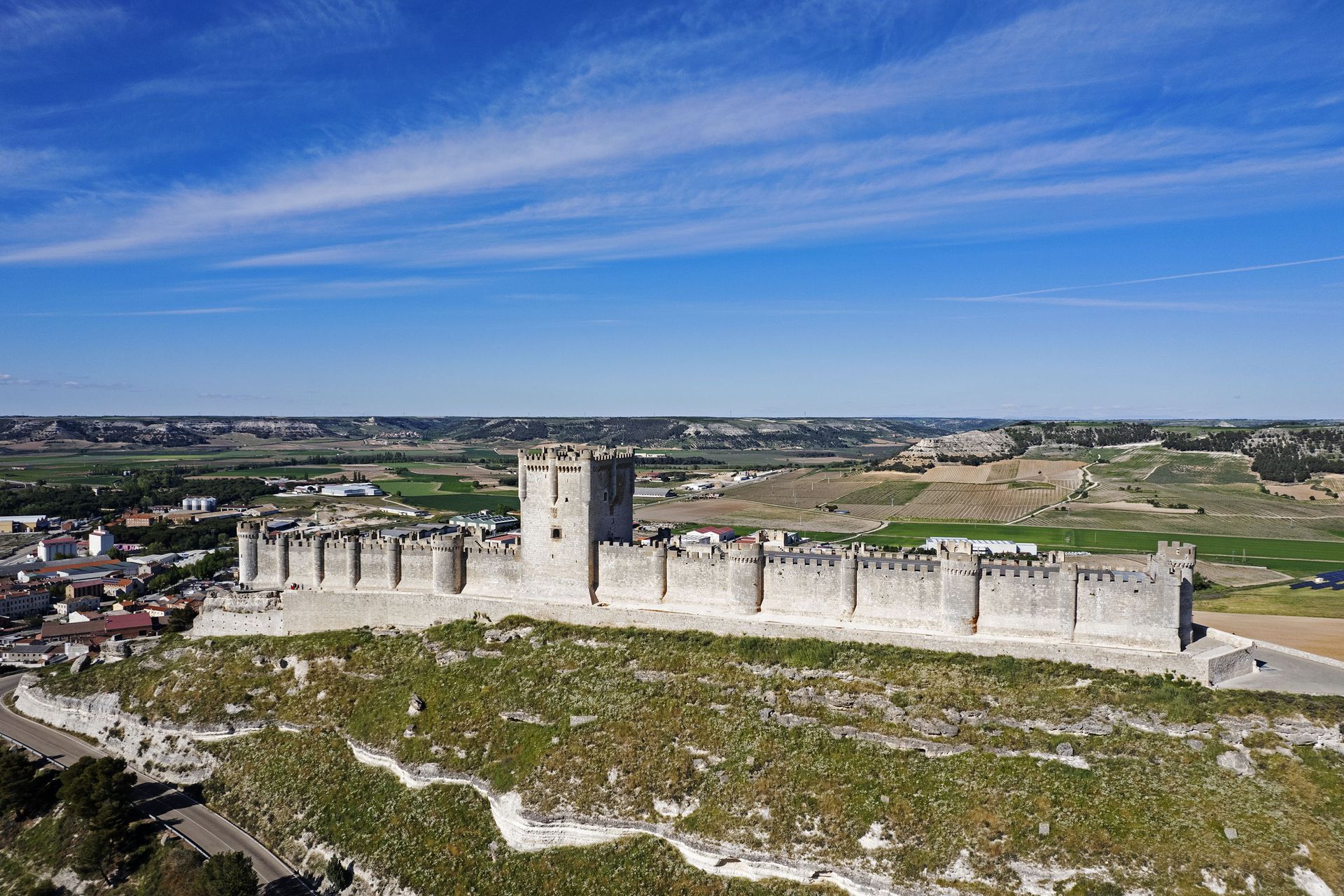
The Atlantic coast produces a very different kind of wine from the dry plains of Castilla. High-altitude vineyards behave differently from vineyards beside the Mediterranean. Volcanic islands produce wines that could come from nowhere else on earth.
Spain is not one wine country.
It is a collection of different worlds, all with a bottle waiting somewhere inside them.
You could start with a Rioja wine tasting, exploring the famous Tempranillo-based reds of northern Spain.
Or head towards Ribera del Duero wines, where vineyards sit at altitude and the reds tend to arrive with more muscle, darker fruit and a little more swagger.
You could explore Rueda Verdejo, the fresh, aromatic white wines of central Spain.
Or go west, towards Galicia, and discover the salty, Atlantic character of Albariño.
The choice is yours. But start with somewhere.
A wine tastes more interesting when you know where it comes from.
Let the wines tell a story
A good tasting should feel like a journey.
You don't need to be sitting in a vineyard in Spain to create one.
You just need to choose wines that have something to say to each other.
Start fresh.
A bottle of Verdejo from Rueda. Albariño from Rías Baixas. Godello from Valdeorras. Something with acidity. Something that wakes up the mouth.
Then move towards something lighter and more aromatic in red. A fresh Mencía from Bierzo. A Garnacha from a cooler, higher-altitude vineyard. Something with fruit, spice and a little movement.
Then go bigger. A Rioja Reserva. A powerful Ribera del Duero. A Monastrell from Jumilla. A Priorat with the volume turned up.
And then, if you have the courage, finish with something strange. A grape nobody has heard of. A wine from the Canary Islands. A bottle of Sherry that makes everyone question what they thought wine was. A sparkling wine from Catalonia.
The wildcard is often the bottle people remember.
Not because it was the most expensive, but because it was different.
Choosing Spanish wines depending on where you live
This is important.
You don't need to find the exact wines I have mentioned.
The best Spanish wine tasting is the one you can actually put together.
If you live in Spain, you are spoiled for choice. Walk into a good wine shop and ask for something from a region you don't know.
Tell them what you usually drink. Tell them what you hate. Then ask them to surprise you.
If you are outside Spain, work with what you can find.
Perhaps your local shop has Rioja, Ribera del Duero and Albariño. Great.
Perhaps it has a bottle of Bobal from Utiel-Requena but no Mencía from Bierzo. Also great.
You are not trying to recreate an official tasting, as there is no official tasting.
The point is to explore.
And if you find a wine from a region that interests you, buy it.
Then find out where it comes from. That is how the rabbit hole begins.
Four wines is enough
You don't need twelve bottles. Four is usually perfect.
By wine number seven, people are no longer taking tasting notes. They are eating cheese directly from the board and telling stories about somebody they went to university with.
Four wines gives you enough variety without turning the evening into a hostage situation.
A simple tasting could look like this:
1. Something fresh: Verdejo or Albariño
2. Something lighter: Mencía or Garnacha
3. Something structured: Rioja or Ribera del Duero
4. Something unexpected: a native variety or unusual region
Alternatively, you could explore one region in depth.
A Spanish wine region can offer enormous variation within a relatively small area.
A Rioja tasting, for example, could compare a young wine, a Crianza, a Reserva and an older or more modern expression.
Same region but with different bottles and different stories.
Food is not an accessory
Wine without food is a lonely business. And Spanish wine without food is practically a crime.
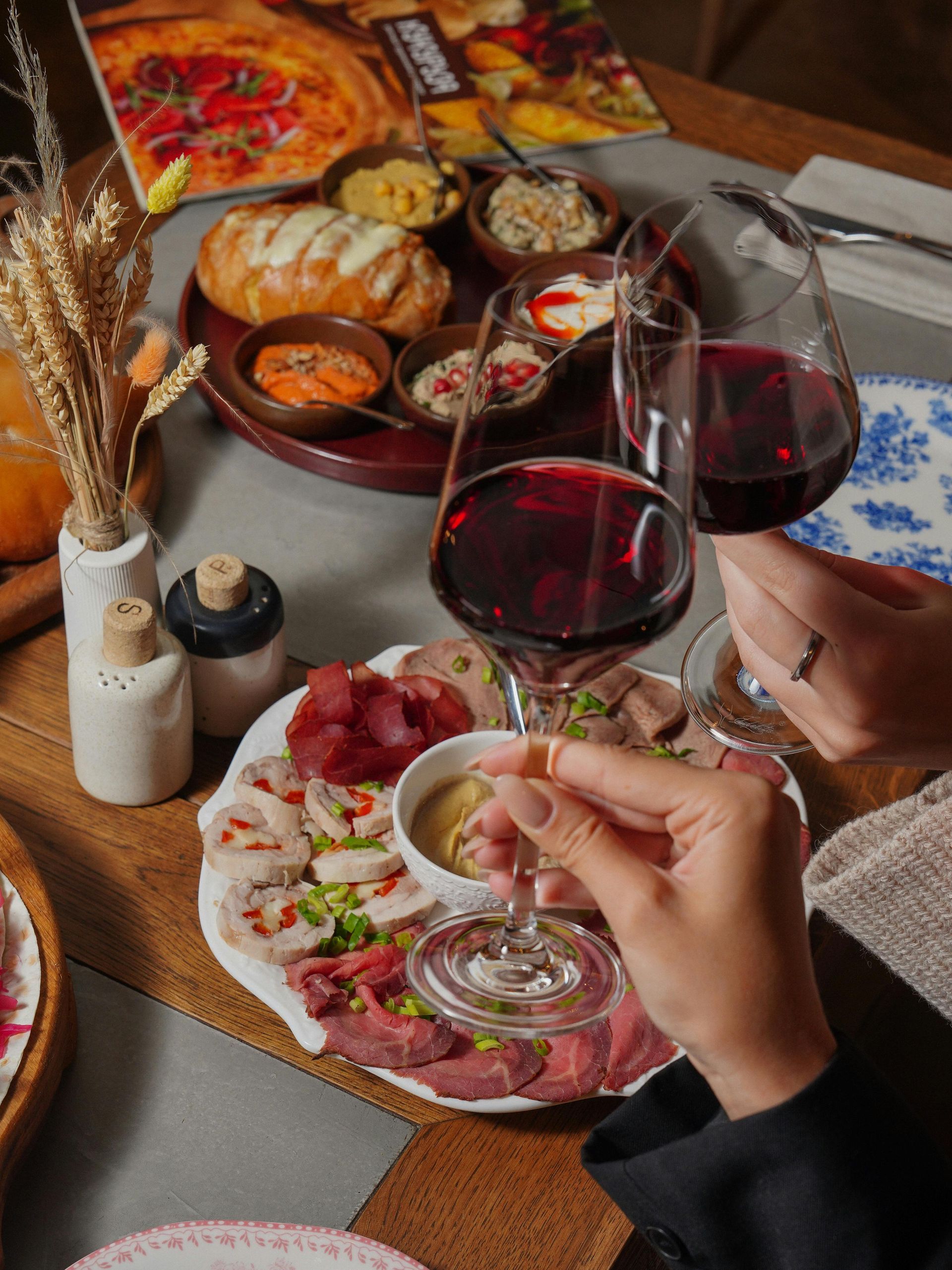
The good news is that you don't need to cook for three days. Just put things on a table, but make sure they're good things.
- Jamón.
- Cheese.
- Olives.
- Marcona almonds.
- Pan con tomate.
- Tortilla.
- Conservas.
- Chorizo.
- Anchovies.
- Bread.
The sort of food that makes people lean forward and say, “I'll just have a little more.” And then have quite a lot more.
You can match the food to the wines, of course.
Albariño with seafood. Verdejo with salty snacks and goats' cheese. Rioja with mushrooms, lamb or grilled meat. Ribera del Duero with something rich and slow-cooked. A Valencian wine with rice, vegetables or Mediterranean flavours.
But don't turn it into a chemistry experiment.
The best pairing is often the one you didn't plan.
Try the wine. Try the food. See what happens.
Don't taste wine like you're being watched
This is where most tastings go wrong, because people become afraid of being wrong.
They think they need to smell blackberries. Or tobacco. Or violets. Or some mysterious combination of all three. You don't.
Ask better questions.
- Do you like it?
- Would you order another glass?
- Would you drink it with dinner?
- Is it fresh or heavy?
- Is it fruity or savoury?
- Which one would you buy again?
That's enough.
There are no wrong answers.
If one person tastes cherries and another tastes nothing but wine, both people are having a perfectly legitimate experience. Wine is not a crossword puzzle. You do not win by finding the correct answer.
Give the wine some context
There is one thing worth knowing before you open each bottle:
Where is it from?
You don't need a lecture. You just need a little context.
For example:
This wine comes from Ribera del Duero, a high-altitude region in Castilla y León, where hot days and cold nights help Tempranillo develop ripe fruit while retaining freshness.
Then pour the wine.
Now people have something to look for.
- Does the wine feel powerful?
- Does it have freshness?
- Does it taste different from the Rioja you opened last month?
Suddenly, the wine is not just wine. It has a landscape behind it. A climate. A history.
People who spent a year growing grapes in the place where you are now drinking the result. That's a lot more interesting than memorising a tasting grid, if you ask me.
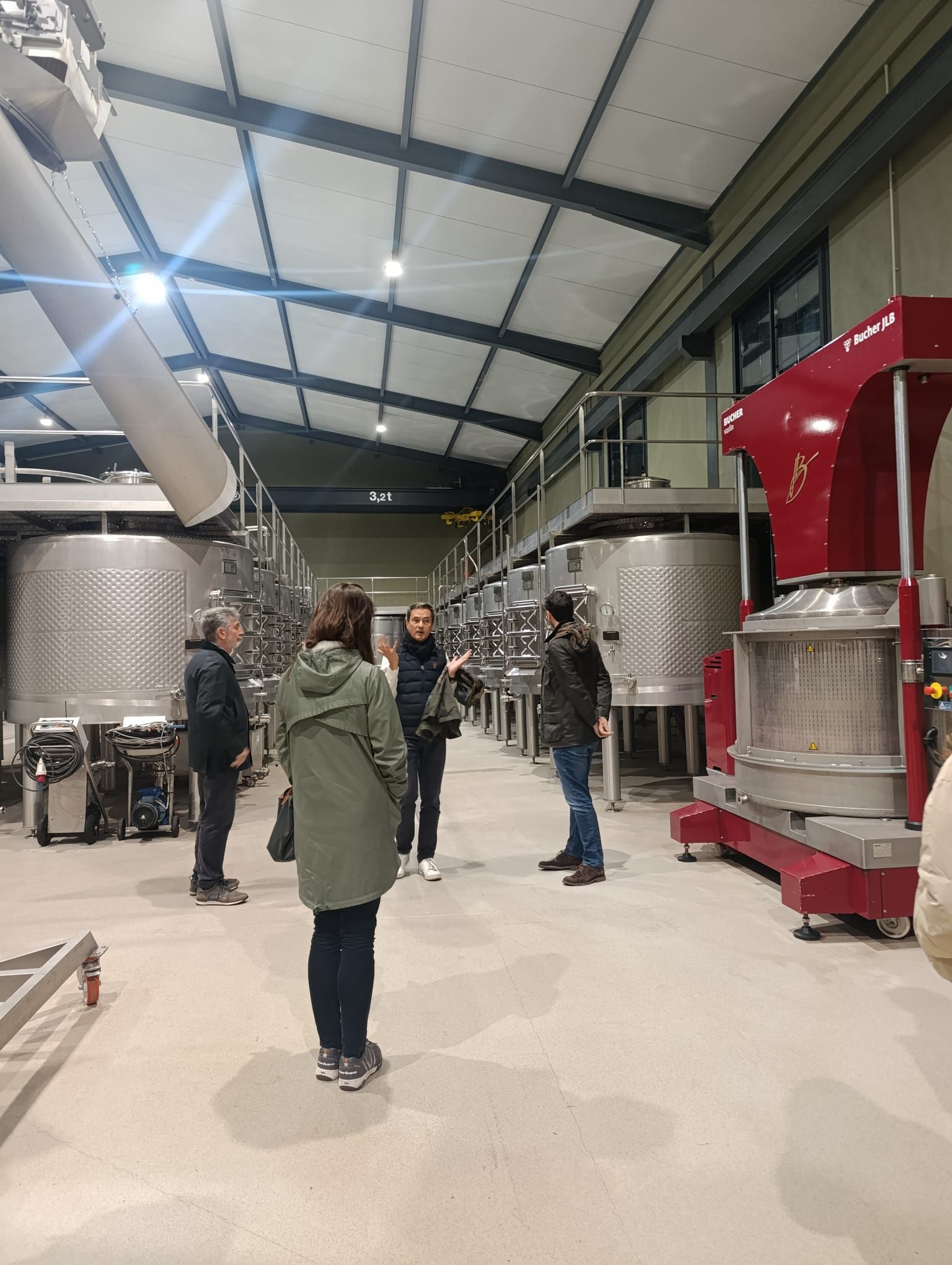
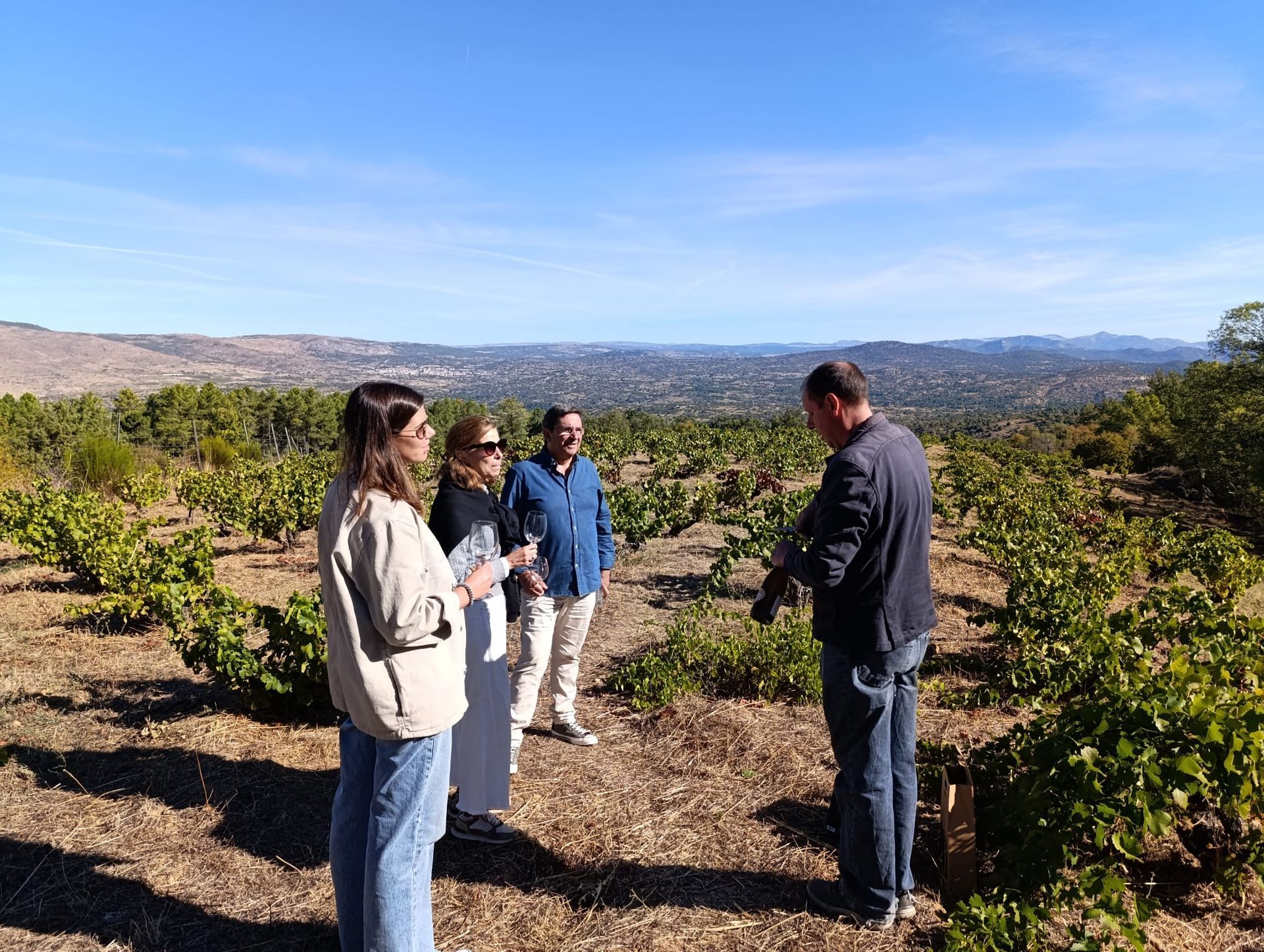
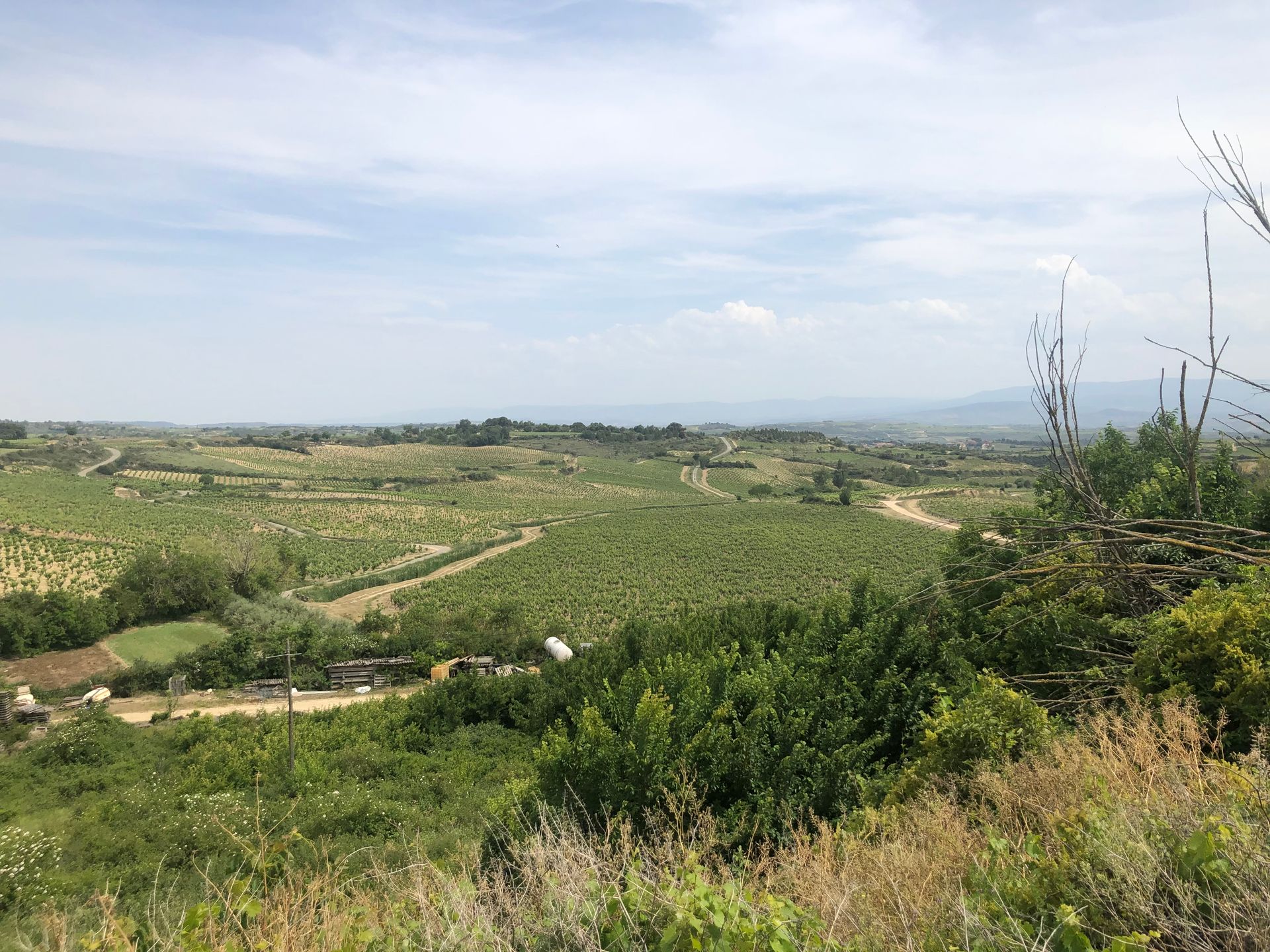
The best way to understand a wine region is to visit it
Of course, there is a limit to what you can learn from a bottle. You can read about Rioja. You can watch videos about Ribera del Duero. You can buy a bottle of Rueda from a wine shop in London, New York or Melbourne.
But then there is the other option.
You go there.
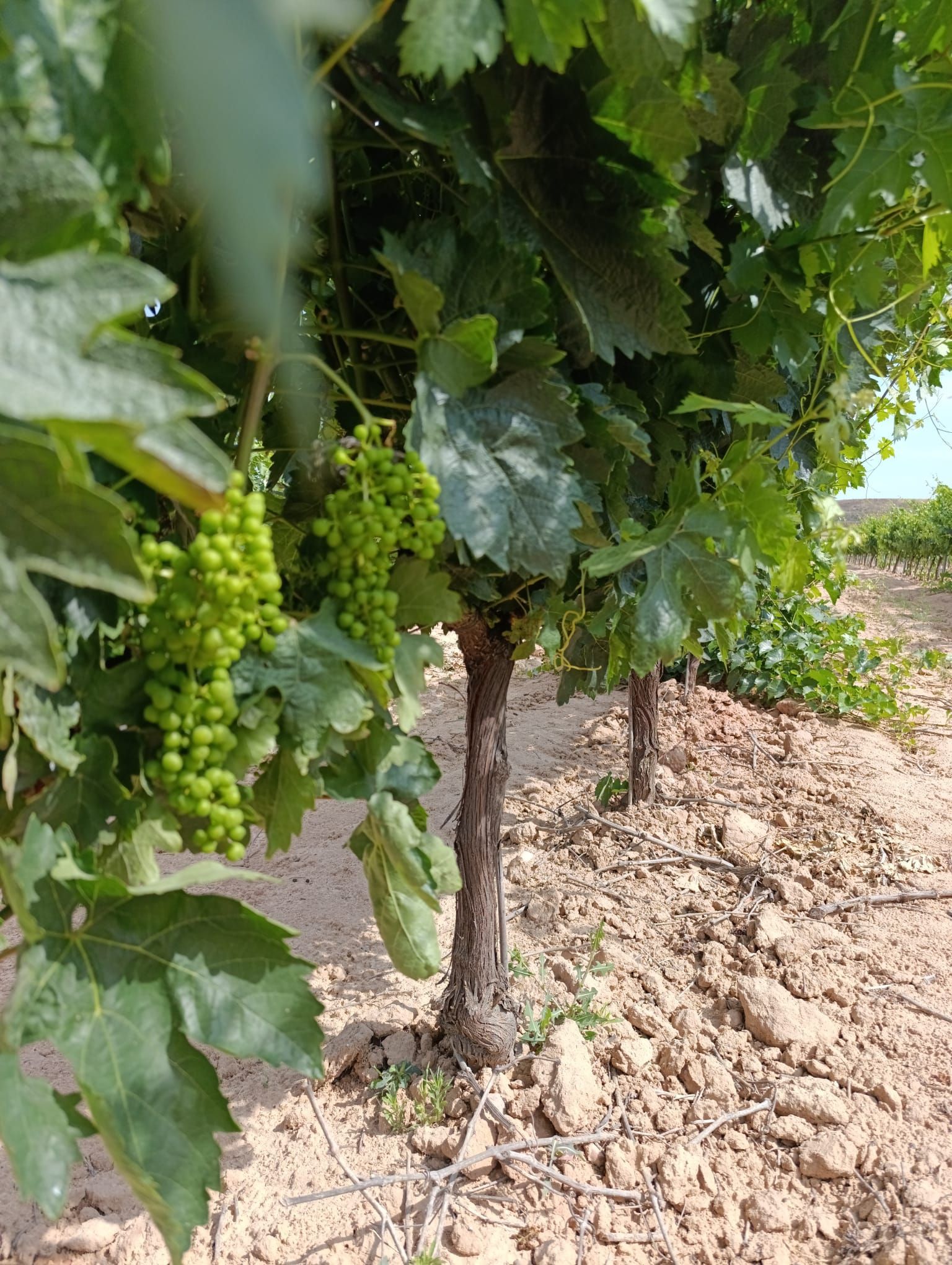
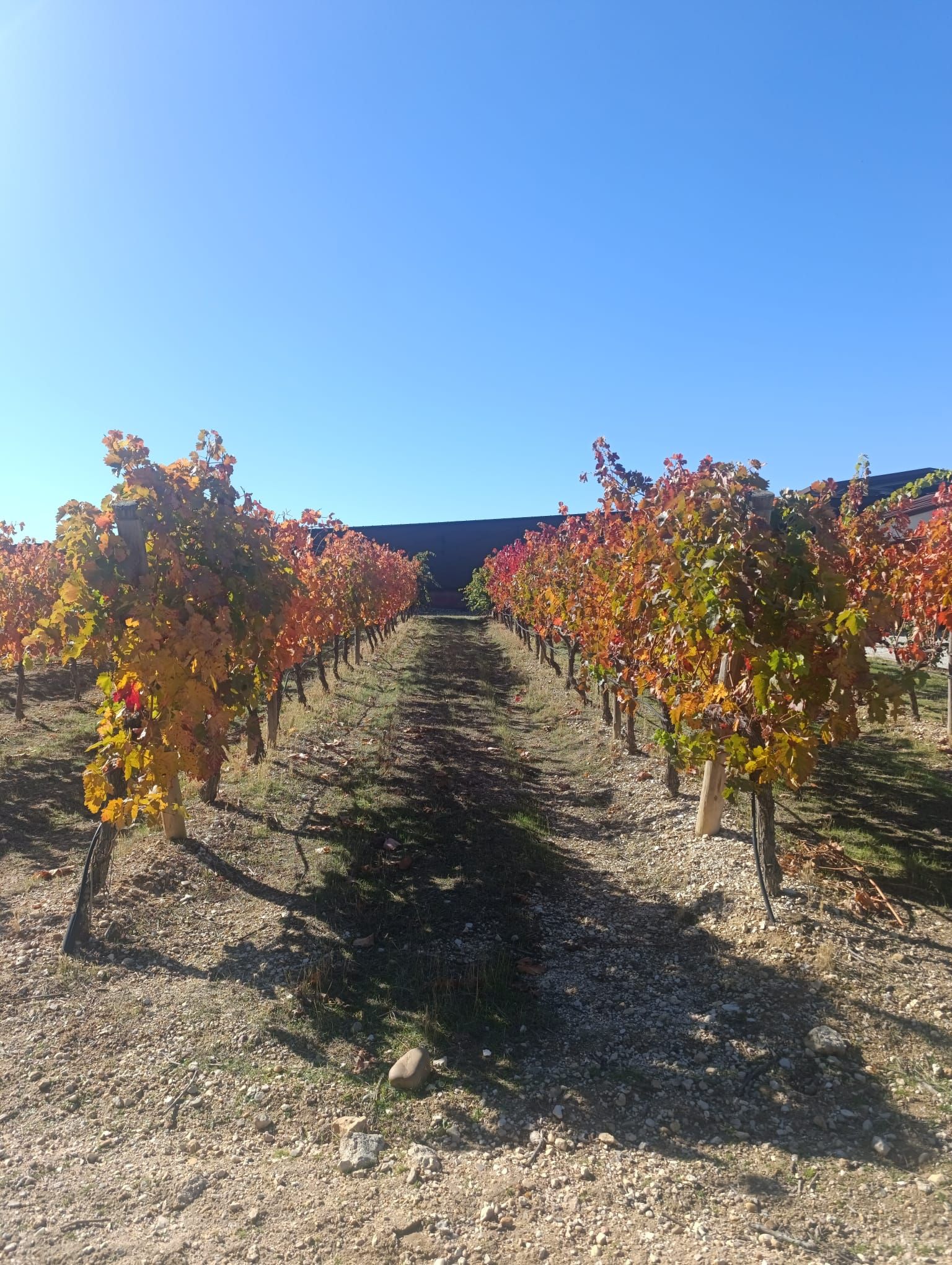
You stand between the vines. You look at the landscape. You meet the winemaker. You eat the food. You drive through the villages. You drink the wine where it was born. And suddenly, everything makes a little more sense.
You don't need to know everything about wine. You don't even need to know very much. You just need to be interested. Choose a place, find a few bottles, put some food on the table, and learn a little about where the wine comes from.
Ask what people think, let them disagree, and don't let anyone tell you that you are drinking wine incorrectly because there is no perfect way to taste wine.
There is only the wine in the glass.
The people around the table.
The food disappearing faster than expected.
And the possibility that, somewhere between the second glass and the last piece of Manchego, you discover a region you suddenly want to see for yourself.
That's the magic of Spanish wine.
It doesn't just take you somewhere.
Sometimes, it makes you want to go there.
And that's when you know the tasting has done its job.
Now open another bottle.