The Dark Side of the Bottle – A Guide to Wine’s Rogue Gallery
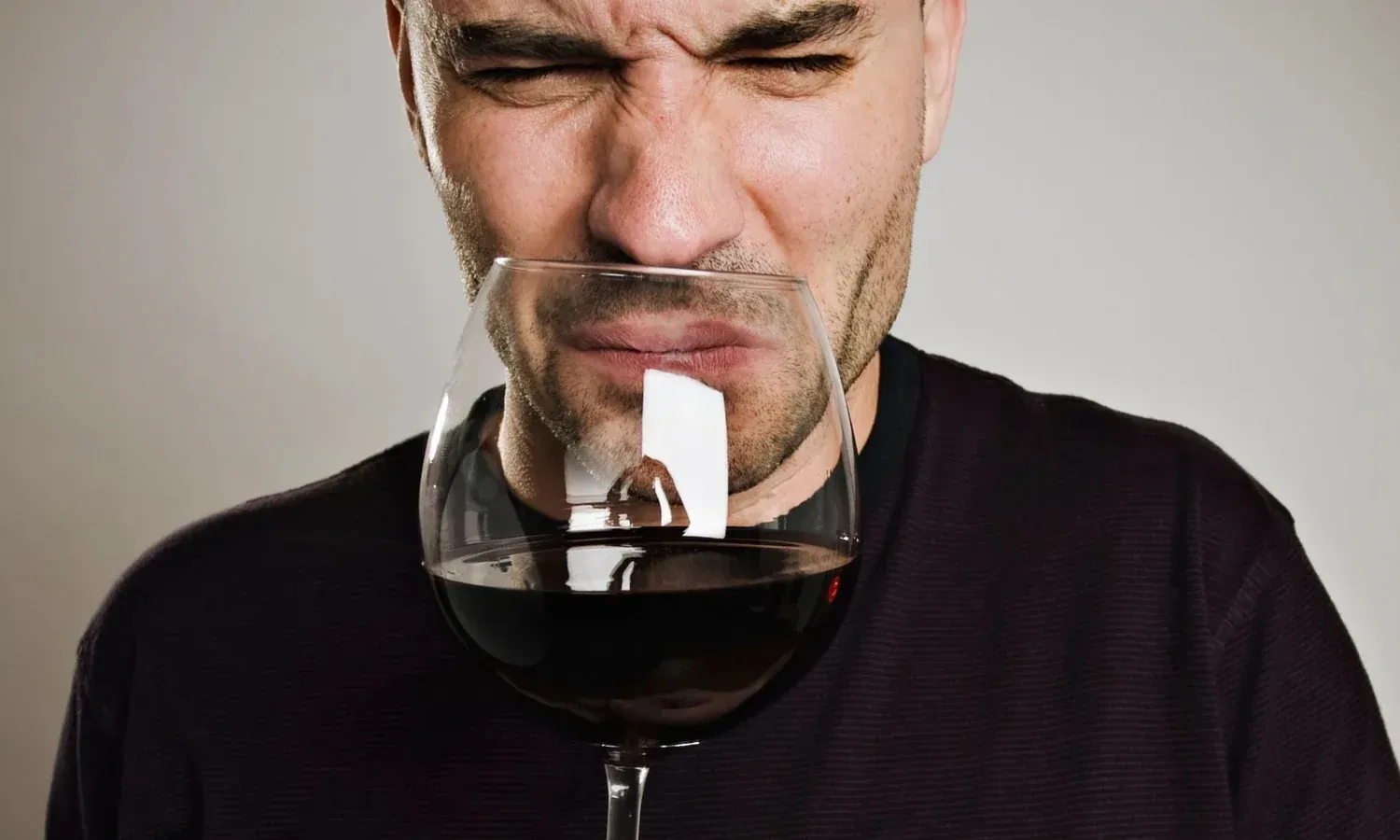
Let’s face it, wine isn’t always poetry in a glass. Sometimes it’s more like that ex who texted you at 2 a.m., promising they’ve changed. Spoiler alert, they haven’t.
Wine can be flawed, too. And unlike that ex, wine doesn’t even pretend to hide its issues. Here’s a roll call of the usual suspects you might find lurking in your glass.
1. Cork Taint (TCA) – The Stale Basement Dweller
Ever walked into an old, damp basement and thought, why does this smell like grandma’s attic? That’s cork taint for you. It’s caused by a compound called TCA, and it makes your wine smell like wet cardboard, moldy newspapers, a musty closet, and even sometimes a wet dog. No amount of swirling or wishful thinking will fix it. Pour it down the sink and move on.
2. Oxidation – The Shriveled Apple Core
Ever left an apple out too long? It goes brown, flabby, and tastes like regret. Oxidised wine suffers the same fate. It’s flat, lifeless, and often smells like bruised apples, almonds, or even sherry when it’s really bad. White wines darken to a shade of despair, and reds fade to rusty hues. Basically, oxidation is what happens when your wine gets old before its time.
3. Brettanomyces (Brett) – The Barnyard Wanderer
This one’s controversial. Some people think Brett adds rustic charm, like a leather jacket worn in just the right places. Others think it smells like a petting zoo that needs a power wash. Barnyard, sweaty saddle, and even bacon fat aromas can come from Brett. A little can be interesting; too much and it’s a full-on farmyard brawl.
4. Volatile Acidity (VA) – The Nail Polish Terrorist
Take a big sniff and feel like you just wandered into a nail salon? That’s volatile acidity, often caused by too much acetic acid. It can give your wine aromas of vinegar or nail polish remover. While a whisper of VA can add complexity, too much and you’ll feel like you’re drinking salad dressing.
5. Reduction – The Rotten Egg Experiment
Reduction is the antisocial loner of wine defects. It sulks in the corner, refusing to open up, smelling like rotten eggs, burnt rubber, or boiled cabbage. Sometimes it just needs a little air to sort itself out, like that friend who gets weird until they’ve had a drink or two. Other times, it’s stuck that way forever.
6. Lightstrike – The Sunshine Assassin
Left your bottle in the sun? Big mistake. Lightstrike turns wine into something resembling a skunk’s bad day. White and rosé wines are the most vulnerable, so treat them like vampires and keep them out of the light if you want to avoid the smell of wet dog fur and burnt wool.
7. Heat Damage (Maderisation) – The Overcooked Cousin
Imagine leaving a chocolate bar in your car on a summer day. Now picture that happening to your wine. Heat damage can make it taste stewed, like overripe fruit or cooked jam. It’s flat, dull, and completely joyless like a romance novel without the romance
8. Smoke Taint – The Ashtray Incident
When vineyards are too close to wildfires, grapes can pick up smoky, ashy flavours. What sounds sexy in theory (campfires and toasted marshmallows) often ends up tasting more like licking an ashtray. It’s the heartbreak of drinking what could have been great wine, if it hadn’t walked through fire. This highlights one of the many factors that can damage a harvest, making us appreciate the vintners more.
9. Secondary Fermentation – The Unwanted Party Guest
Ever popped open a bottle of still wine and been greeted by bubbles? That’s secondary fermentation, usually caused by rogue yeasts or bacteria deciding the party isn’t over. It’s not fatal, but it’s awkward, like showing up to a black-tie event in jeans.
Final Thoughts
Wine, like people, isn’t always perfect. Sometimes it’s complex, and other times it’s a complete mess. The trick is knowing when it’s worth working through the flaws and when it’s time to call it quits. So sniff, swirl, and taste, but don’t let a bad bottle ruin your night. Life’s too short for defective wine