The best wineries, five-star hotels, exceptional restaurants and a few things worth knowing before you book.
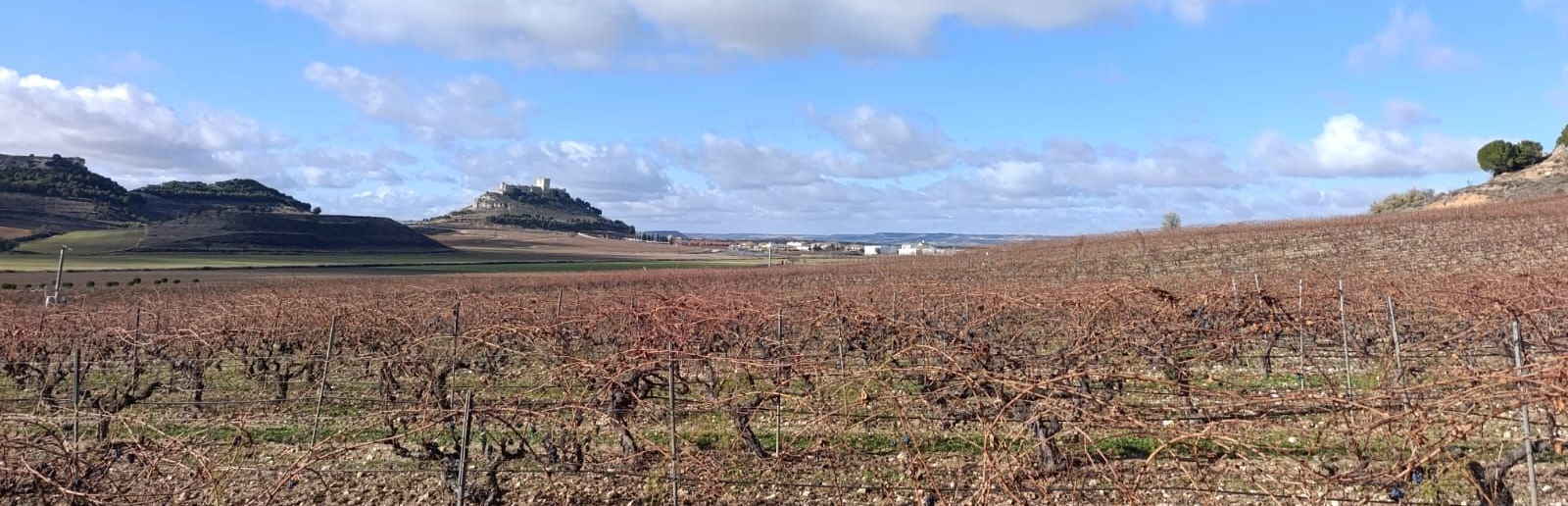
Ribera del Duero is home to some of Spain's most celebrated wines. Vega Sicilia, Pingus, Pago de Carraovejas, and countless other names have helped put this stretch of the Duero Valley firmly on the international wine map.
But great wine is only part of the story.
Over the past decade, Ribera del Duero has developed into one of Spain's most exciting destinations for luxury wine travel. Five-star hotels, Michelin-starred restaurants, exceptional winery experiences and some genuinely outstanding smaller producers make it an increasingly attractive destination for those looking to spend a few days exploring Spanish wine.
There's just one thing we'd encourage you to remember: luxury doesn't necessarily mean choosing the most famous winery, the most expensive tasting or the restaurant with the most Michelin stars.
Sometimes it's about who you're tasting with. Sometimes it's about finding a wine you didn't know existed. And quite often, it's about having enough time to enjoy the experience without constantly looking at your watch.
We spend a considerable amount of time in Ribera del Duero, visiting wineries, meeting producers and planning private wine experiences. Here are a few things we've learnt along the way.
1. The Best Luxury Wine Experiences Aren't Always at the Biggest Names
Let's start with the wineries.
Naturally, some of Ribera del Duero's most prestigious estates deserve their reputations. Pago de Carraovejas, Pago de Capellanes and Abadía Retuerta (technnically not in the DO), among others, offer excellent opportunities to discover the region's wines.
But there's a distinction worth making between an expensive experience and a genuinely personal one.
Private visits at some larger estates can come with significant additional costs. That doesn't necessarily make them better than their smaller shared-group experiences. Pago de Carraovejas, for example, offers a carefully managed experience with relatively small groups, and it's one we'd happily recommend.
At other wineries, however, the additional cost of a private tasting might be better spent exploring somewhere less famous.
Take Bodegas Virtus. Fancy tasting a Gran Reserva red and a Gran Reserva white from Ribera del Duero? Here's a producer that can offer something rather different from the standard regional tasting.
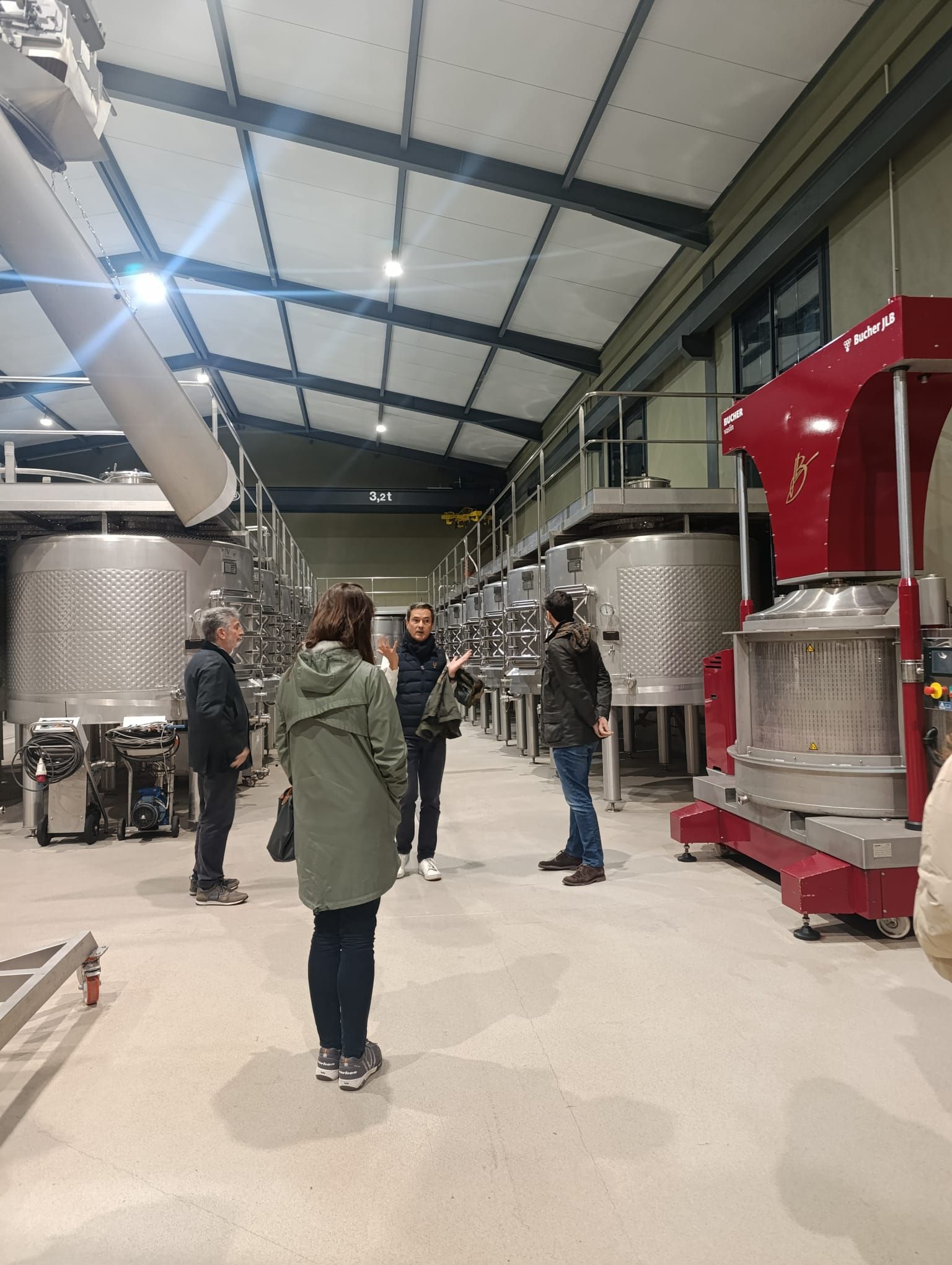
Or perhaps you'd prefer to walk through the winery alongside the people actually making the wines.
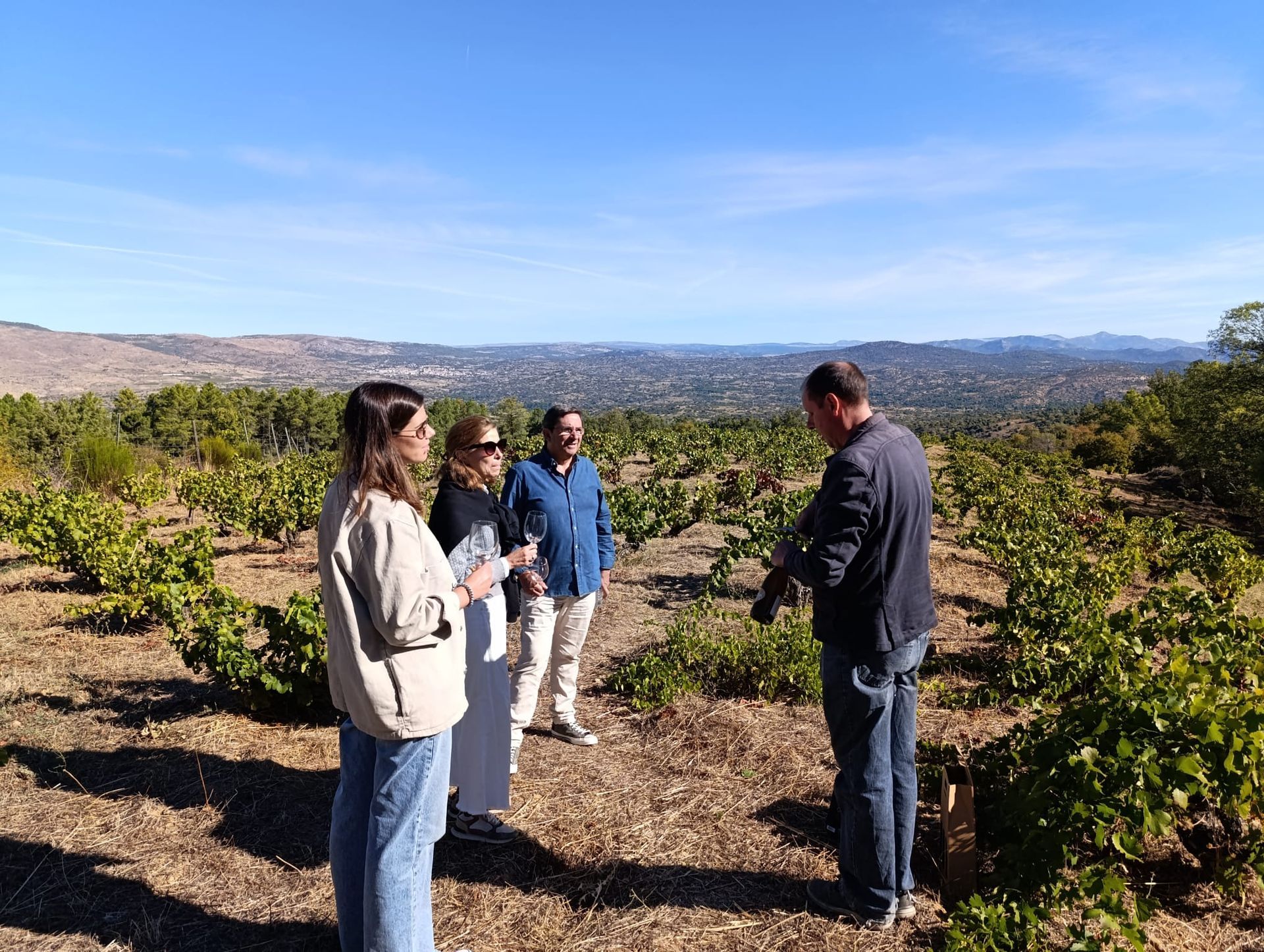
At Dominio Lubiano and Bodegas Félix Callejo, there may be opportunities to arrange experiences with members of the family or the winemaking team. These are the kinds of visits where conversations can move beyond the standard presentation and into the decisions, challenges and personalities behind the bottles. And it just so happens that they make fantastic wines.
For us, luxury isn't always about exclusivity in the traditional sense. It's about access, attention and authenticity.
A private conversation with a winemaker, a tasting that develops naturally and the chance to understand a wine directly from those responsible for producing it can be worth far more than a famous name on the itinerary.
The ideal trip? Often a combination of both.
Visit one of the region's prestigious estates, then balance it with a smaller producer offering something more personal. You'll come away with a much broader understanding of Ribera del Duero, and probably a few unexpected favourites.
2. Winery Availability: Book Early, Especially for English-Language Visits
There's another important consideration when planning luxury wine travel in Ribera del Duero: availability.
Spain has a strong domestic wine tourism market, and many of Ribera del Duero's best-known wineries receive considerable demand from Spanish visitors. As a result, some estates offer significantly more Spanish-language visits than English-language ones.
At certain wineries, English tours may only be available at specific times, on selected days or by prior arrangement. Even when a winery has availability, it doesn't necessarily mean that the experience you want is available in your preferred language.
This becomes particularly important when planning visits to the region's more prestigious estates.
A winery might have space for a Spanish-language group in the afternoon but no English-language availability for several days. And if you're visiting during a busy period, or trying to arrange everything at the last minute, your options can become considerably more limited.
Private visits may offer greater flexibility, but they aren't always available and can come with substantial additional costs.
Our advice? If there's a particular winery you absolutely want to visit, make that reservation one of your first priorities. Don't book your hotel, restaurants and transport around a winery visit that hasn't yet been confirmed. And try to remain flexible.
Sometimes moving a visit by a day, changing the order of your itinerary or considering a different winery can make all the difference.
This is also where working with someone who knows the region can be particularly valuable. We understand which wineries offer regular English-language experiences, which may accommodate private requests and where alternative visits can provide something equally memorable.
Because a great wine trip shouldn't depend entirely on securing a place at one famous estate.
3. Understand the Geography Before Booking Anything
This is one of the most overlooked aspects of planning a trip to Ribera del Duero.
The wine region stretches approximately 115 kilometres along the Duero Valley, across four provinces: Valladolid, Burgos, Segovia and Soria. That's a considerable amount of ground to cover.
Burgos accounts for the largest share of Ribera del Duero's vineyard area, but many of the region's most internationally recognised wineries and established luxury hospitality experiences are concentrated further west, particularly around Valladolid. The area often referred to as the Golden Mile, around Quintanilla de Onésimo and Valbuena de Duero, is home to names such as Vega Sicilia, Abadía Retuerta, Arzuaga and other prestigious estates.
Peñafiel, meanwhile, provides another important centre for wine tourism, with Pago de Carraovejas, nearby wineries and several excellent restaurants.
Further east, around Aranda de Duero, La Horra and Roa, you'll find another concentration of outstanding producers, including some of the region's most interesting smaller wineries. None of these areas should be overlooked. But they're not all next door to each other.
A winery in the eastern part of Burgos and another near Valbuena de Duero can be separated by a substantial drive. Combine several visits without considering their locations and you can quickly find yourself spending more time in the car than enjoying the wines.
Our advice? Decide which wineries and experiences matter most, then build the rest of your trip around their locations.
It's a far better approach than booking a hotel first and discovering afterwards that everything you want to visit is 45 minutes away.
4. Where to Stay: Choosing the Right Five-Star Hotel
Ribera del Duero now has some genuinely excellent luxury accommodation.
Among the five-star options worth considering are Abadía Retuerta LeDomaine, Hotel Arzuaga and Castilla Termal Monasterio de Valbuena, all in Valladolid province, along with Castilla Termal Palacio de Avellaneda in Burgos province. Each offers a different experience, and choosing between them should involve more than comparing rooms and facilities.
Abadía Retuerta LeDomaine
One of the region's most complete luxury destinations. Set within a beautifully restored historic abbey, Abadía Retuerta combines exceptional accommodation, gastronomy, spa facilities and its own highly regarded wines.
It's an excellent option for visitors who want their hotel to be a substantial part of the experience, rather than simply somewhere to sleep.
Hotel Arzuaga
Located in Quintanilla de Onésimo, Hotel Arzuaga puts you in the heart of the Golden Mile. With its winery, restaurants and spa facilities, it offers a convenient base for exploring the surrounding estates while enjoying a complete wine-focused stay.
Castilla Termal Monasterio de Valbuena
Another historic monastery transformed into a luxury hotel, this time with a particular emphasis on wellness and thermal spa experiences. Its location near Valbuena de Duero makes it particularly convenient for exploring the western part of Ribera del Duero.
Castilla Termal Palacio de Avellaneda
Located in Peñaranda de Duero, Burgos, this five-star hotel occupies a restored Renaissance palace and offers another attractive option for visitors seeking luxury accommodation in the region.
Its location makes it particularly interesting for those planning to explore the eastern side of Ribera del Duero, including wineries around Aranda de Duero and the surrounding Burgos villages.
But here's where we'd return to the question of geography.
If most of your planned winery visits, lunches and dinners are concentrated around the Golden Mile, does it make sense to stay further east?
Perhaps. Particularly if the hotel itself is a priority, or if you're planning to explore wineries around Burgos.
But if your itinerary involves a 45-minute journey to reach the day's first experience, that's potentially an hour and a half of additional driving every day. Over three days, those journeys add up.
The best hotel isn't necessarily the most impressive property. It's the one that works best for the experience you want to have.
5. Michelin Stars, Lechazo and the Art of Planning Your Meals
One of the most exciting developments in Ribera del Duero has been its gastronomic evolution.
Traditional Castilian cooking remains central to the region's identity, but visitors now have an excellent selection of contemporary restaurants, ambitious tasting menus and Michelin-starred experiences.
And that's fantastic news.
The challenge is deciding how to fit everything in.
Fine Dining in Ribera del Duero:
If you're looking for Michelin-starred dining, three names should be on your radar: Ambivium, Taller Arzuaga and Refectorio. Each offers a different approach to contemporary gastronomy, and each deserves time to be enjoyed properly.
Ambivium, at Pago de Carraovejas, is a particularly good example.
Depending on the menu and experience chosen, you could be looking at around 20 dishes and three hours or more at the table. It's an experience in its own right, not simply somewhere to stop for a quick bite between wineries.
Our recommendation? If you're planning to dine at Ambivium, treat it as the main event of the day.
With an experience that can last three hours or more, it's not something we'd recommend squeezing between winery visits or rushing through to make another appointment. Instead, build the day around it. Perhaps enjoy a relaxed morning, visit a winery beforehand if timings allow, and leave the rest of the afternoon free. Give yourself time to appreciate the food, the wines, the service and the entire experience without watching the clock.
After all, when you're investing in one of the region's finest gastronomic experiences, why rush it?
For something local with a contemporary twist, Restaurante Curioso in Peñafiel is another option we'd recommend considering.
And if you'd like a tasting-menu experience without necessarily choosing a Michelin-starred restaurant, Converso is well worth exploring.
Don't Forget the Lechazo:
Of course, no gastronomic visit to Ribera del Duero would be complete without considering one of Castilla y León's most famous dishes: lechazo asado.
Milk-fed lamb, traditionally roasted in a wood-fired oven, is one of the region's great culinary traditions. And when it's done properly, it needs very little else.
Restaurants such as Mannix in Campaspero and El Lagar de San Vicente in Peñafiel are among the places to consider for a traditional Castilian experience.
But here's something we encourage guests to think about.
If you're having a substantial lechazo lunch, do you really want a multi-course tasting menu that evening? Perhaps you do. We're certainly not going to judge.
But after several winery tastings, a generous lunch and an afternoon exploring the region, you might find that a lighter dinner is considerably more appealing. Equally, if you've booked a special tasting-menu dinner, we'd think carefully about the rest of the day's meals.
One option is to eat lunch earlier, around 13:00, rather than following the traditional Spanish lunch schedule of 14:00 or later. That gives you more time for an afternoon experience, a little relaxation at the hotel and, importantly, enough of an appetite to enjoy dinner.
And if you're only staying for two nights, consider spreading the experiences out. A traditional lechazo lunch on one day and a fine-dining experience on another can be far more enjoyable than trying to fit everything into a single afternoon and evening.
Luxury dining isn't about booking the most elaborate meal every time you sit down. It's about enjoying the right experience at the right moment.
6. Time Is One of the Most Important Ingredients of a Luxury Wine Tour
We've already discussed the distances between wineries, but there's another consideration that's just as important: how long each experience actually takes.
A winery might advertise a visit lasting 90 minutes.
Does that include the tasting?
Does it include the questions that inevitably come up when you're speaking with someone passionate about their wines?
What happens if you want to purchase a few bottles? Or arrange international shipping?
We've experienced all of these situations, many times. A visit that looks like an hour and a half on paper can comfortably turn into two hours or more. And that's not necessarily a bad thing. Sometimes the conversation is particularly interesting. Sometimes a winemaker brings out another bottle. Sometimes guests simply want to spend a little longer enjoying the wines.
These are precisely the moments that can make a visit memorable. The problem comes when you've arranged another winery visit immediately afterwards, followed by a lunch reservation with no flexibility.
Suddenly, what should have been a relaxed experience becomes a race against the clock. That's why we build realistic margins into our itineraries.
We consider the advertised duration of each visit, the likelihood of it running longer, the actual driving distances and the time guests may want for shopping or simply enjoying the surroundings.
We also think carefully about how many wineries to visit.
Three wineries in a day can work extremely well with the right locations and timings. But three lengthy private experiences, spread across different parts of Ribera del Duero, followed by an elaborate lunch, might not be the best use of your time.
Sometimes two outstanding winery visits and a leisurely meal offer a far more rewarding day.
The luxury is having the freedom to enjoy what's in front of you, without worrying about what's next.
7. A Word of Warning About ChatGPT Itineraries
We use technology, and we're certainly not against using AI to research a trip.
But there's something we've noticed increasingly often.
Guests send us draft itineraries created with ChatGPT, asking us to organise visits to wineries that simply aren't open to conventional wine tourism.
Two names appear regularly: Vega Sicilia and Dominio de Pingus. They're among Spain's most famous wine producers, and understandably, many visitors would love to see where the wines are made. The problem is that neither offers a normal public winery tourism programme.
Yes, their doors occasionally open under exceptional circumstances. But these are not experiences that most visitors can simply book, regardless of budget. And while some wineries encourage visitors to purchase bottles directly from the estate, these producers operate very differently. Their most sought-after wines are generally allocated and sold through established distribution channels, often before they reach the wider market.
So if an AI-generated itinerary casually suggests a morning tour of Vega Sicilia followed by an afternoon tasting at Pingus, we'd recommend treating that advice with considerable caution.
But You Can Still Taste the Wines
Not being able to visit the winery doesn't mean you have to miss out on the wine. Through our contacts in the region, we can arrange specialist tastings at a wine shop, guided by an expert, with the possibility of exploring wines from these legendary producers.
It's an excellent way to round off a day in Ribera del Duero, particularly for serious wine enthusiasts who want to taste bottles that are rarely encountered in everyday settings.
Naturally, the selection depends on availability and the experience arranged.
AI Doesn't Always Get the Driving Times Right, Either
Another recurring issue is the journey from Madrid. You'll often see itineraries suggesting that Ribera del Duero is just one hour and 45 minutes away. That might be achievable for certain destinations and departure points, but it's not a sensible assumption for every trip.
We travel from Madrid to Ribera del Duero several times a week. When heading towards the Golden Mile, we generally allow around two hours, sometimes more depending on traffic, the pickup location and the exact destination. And that's before the day's winery visits begin.
Our advice is simple: use ChatGPT for inspiration, but check the details.
Look at actual routes on Google Maps, verify whether wineries receive visitors and make sure the itinerary allows enough time for the experiences you've chosen.
If you're working with a specialist tour operator, read their proposed itinerary carefully. Ask about driving times, visit durations and whether the experiences are private or shared.
An itinerary that looks fantastic on paper isn't much use if it doesn't work in reality.
8. How Many Days Should You Spend in Ribera del Duero?
This depends on how deeply you'd like to explore the region, but we'd generally recommend at least two nights if you're planning a luxury wine-focused escape from Madrid.
Two Days: A Taste of Luxury
With one overnight stay, you can comfortably combine several well-selected wineries, a memorable lunch and an excellent hotel.
The key is to concentrate on one geographical area rather than attempting to cover the entire region.
Three Days: Our Preferred Option
Three days gives you considerably more flexibility. You can combine prestigious estates with smaller family-run producers, enjoy both traditional and contemporary gastronomy, and leave some time to appreciate your hotel. It also allows for a more balanced tasting programme, without feeling the need to visit every winery on your list.
Four Days or More: Explore Beyond the Golden Mile
With additional time, we'd encourage you to look beyond the most famous names. Explore the eastern parts of Ribera del Duero, discover smaller producers around Burgos, or spend time learning more about the differences in vineyards, soils and winemaking approaches across the region.
There is far more to Ribera del Duero than its most celebrated labels. And some of its most interesting wines are made by producers you may never have heard of.
9. Planning Your Journey from Madrid
For many international visitors, Madrid is the natural starting point. The Spanish capital has excellent international connections, outstanding hotels and plenty of reasons to spend a few days exploring before heading into wine country.
From central Madrid, we'd generally plan around two hours to reach the western Ribera del Duero area, depending on your destination and traffic.
For a multi-day luxury experience, private transport makes a considerable difference.
Not only does it remove the need to navigate unfamiliar roads, but it allows everyone to enjoy the tastings without worrying about driving afterwards.
It also provides flexibility.
Perhaps you'd like to stop in a village, purchase wine to take home or spend a little longer at lunch. With a properly planned private itinerary, these things are considerably easier to accommodate.
The aim isn't simply to get from one winery to another. It's to enjoy the region along the way.
10. The Vine Travel Approach to Luxury Wine Experiences
At Vine Travel, we don't believe the best wine itinerary is necessarily the one with the most prestigious names or the highest price tag. We believe it's the one that suits the people travelling.
For some guests, that means visiting internationally renowned estates and tasting exceptional older vintages.
For others, it's spending time with a family winemaker, discovering a small producer or enjoying a long Castilian lunch with a bottle of something they've never tried before.
Quite often, it's a combination of everything.
Our role is to bring those experiences together in a way that makes sense.
That means understanding which wineries offer genuinely personal visits, which restaurants work best for lunch or dinner, where to stay and, crucially, how long everything actually takes.
We know the region because we're there regularly. We work with the wineries, visit the restaurants and experience the journeys ourselves.
And we know that the best moments aren't always the ones you can plan down to the minute.
Luxury wine travel in Ribera del Duero isn't about doing everything. It's about doing the right things, properly.
If you're planning a private wine trip to Ribera del Duero, we'd be delighted to help you put together an itinerary built around the wines, places and experiences that matter most to you.